One of the most common questions families face is whether an individual needs residential rehabilitation or can receive outpatient de-addiction treatment while continuing to live at home.
There is no single approach that suits everyone. The appropriate level of care depends on substance-use severity, withdrawal risk, home environment, previous recovery attempts and the person's ability to follow a treatment plan.
What Is Inpatient Rehabilitation?
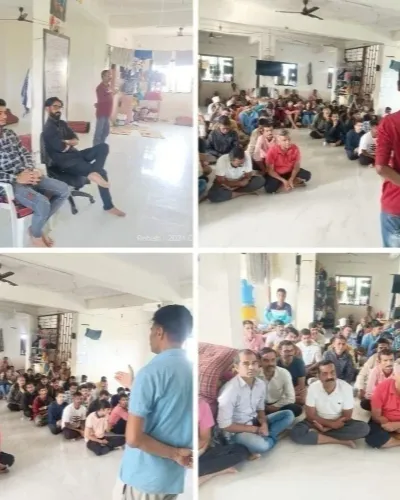
Inpatient or residential treatment involves staying at a rehabilitation facility for a defined period. Individuals follow a structured routine that may include counseling, therapeutic activities, recovery education and relapse-prevention work.
Residential care also separates the person from easy access to alcohol or drugs during an important stage of recovery.
An inpatient drug rehabilitation center may be considered when substance dependence is significant, previous attempts to quit have been unsuccessful or the person's home environment contains frequent triggers.
When Can Outpatient Treatment Be Considered?
Outpatient programmes allow individuals to attend scheduled treatment sessions while remaining at home.
This approach may be considered for individuals whose condition can be appropriately managed without continuous residential supervision. It can also allow people to maintain certain work, educational or family responsibilities while participating in treatment.
However, living at home means continued exposure to everyday stress and potentially to people or environments associated with substance use.
Compare the Two Approaches Carefully
Residential treatment can provide:
- Greater environmental control
- Structured daily routines
- Reduced immediate access to substances
- Intensive therapeutic participation
- Separation from familiar triggers
- Outpatient treatment may provide:
- Greater flexibility
- Continued family interaction
- Ability to maintain certain responsibilities
- Easier integration of recovery skills into everyday life
Neither option should automatically be considered better. Suitability depends on the individual's circumstances.
Home Environment Is an Important Factor
Someone may genuinely want to stop using substances but return every evening to an environment where alcohol or drugs are readily available. In such situations, motivation alone may not provide enough protection during early recovery.
Conversely, a stable and supportive home environment may make outpatient treatment more workable for some individuals.
Previous Attempts Can Provide Useful Clues
If someone has repeatedly tried outpatient counseling or self-directed quitting and quickly returned to substance use, a more structured residential programme may need to be considered.
Similarly, a history of severe withdrawal symptoms requires careful clinical evaluation before deciding where treatment should occur.
For families comparing options in Nashik, Maharashtra, Aatma De-Addiction and Rehabilitation Center can help individuals understand structured rehabilitation approaches based on their circumstances.
The decision between inpatient and outpatient care should be based on treatment needs rather than convenience alone. The goal is to choose an environment that gives the individual a realistic opportunity to stabilize, participate in therapy and develop skills for maintaining recovery.