Returning home after drug treatment can expose a person to cravings, old contacts, family conflict, poor sleep and easy access to substances before recovery skills are stable. A written 24-hour, seven-day and 90-day plan helps the person and family respond early, distinguish a lapse from a relapse, and obtain medical help before a crisis becomes dangerous.
Key takeaways
- Keep a written discharge plan and one sober adult with you for the first 24 hours.
- Remove substances, contacts and payment access that could trigger use during the first week.
- Treat cravings, missed follow-ups and secrecy as early warnings requiring prompt support.
- Seek emergency care for overdose signs, severe withdrawal, confusion, seizures or suicidal thoughts.
What to do during the first 24 hours at home
A written discharge plan and one sober, trusted adult make the first 24 hours safer. Treat drug recovery after returning home as the next stage of treatment, not as proof that residential care has permanently cured the problem.
- Confirm the next appointment, counselling or peer-support meeting, medication schedule, and telephone contact before leaving the centre.
- Give medicines only as prescribed, store them securely, and do not add alcohol, sedatives, or non-prescribed painkillers.
- Remove alcohol, drugs, syringes, smoking equipment, and contact details for people linked to use. Do not let the person visit using friends or high-risk locations.
- Arrange regular food, water, sleep, and supervision. Keep the evening planned instead of leaving long periods alone.
- Ask the treating service about take-home naloxone and overdose training if opioids were involved. Tolerance falls quickly after abstinence, so the previous dose can stop breathing.
- Record cravings, sleep, mood, medication use, and missed commitments. Share concerning changes with the treatment team rather than waiting for the next appointment.
- Agree on one response to a lapse: stay with the person, remove substances, call the treatment team, and ask for withdrawal and overdose-risk reassessment.
Call 112 for unresponsiveness, slow or stopped breathing, seizure, severe confusion, violent behaviour, or suicidal intent. Move to emergency medical care rather than transporting the person back to a rehabilitation centre. Tele-MANAS is available at 14416 for mental-health support.
Build a trigger plan for the first week and first 90 days
Keep the first seven days structured: set wake time, meals, medication, exercise, counselling, peer support and bedtime. Do not leave evenings open. A written discharge plan should show the next clinical appointment, medication supply, who checks in, and what to do after a craving or lapse.
This prevents addiction problems after treatment from being managed by guesswork.
Put these controls in writing:
- Block former using contacts and avoid places where drugs are easy to obtain.
- Give one trusted person access to the schedule, appointments and warning signs.
- Plan payday before it arrives: limit cash, avoid high-risk routes and arrange support.
- Replace loneliness with a named call, meeting or supervised activity.
- End family arguments early; use a pause-and-leave plan instead of staying in conflict.
- Ask the treating service about take-home naloxone and overdose-response training after opioid abstinence, because tolerance falls quickly.
- Record cravings each day, including the time, trigger, intensity and coping action.
For days 8 to 90, keep the same sleep pattern and scheduled treatment contact even after cravings ease. Ask the clinician to assess new psychiatric symptoms alongside substance use, not through disconnected services.
If a lapse occurs, contact the treatment team promptly, remove substances and related items from home, reassess withdrawal and overdose risk, and revise the plan rather than abandoning it.
Recognise a lapse, relapse and early warning signs
A single use is a lapse, not proof that treatment failed. Relapse means substance use has resumed as a pattern, with growing loss of control, repeated use or abandonment of recovery plans. Effective drug recovery after returning home treats either event as information requiring action, not shame.
Watch for warning signs before use occurs: stronger cravings, disrupted sleep, irritability, secrecy, missed appointments, stopping medication, renewed contact with using peers, unexplained money problems, or avoidance of family and support meetings. One sign does not prove drug use; several changes together justify a calm, direct conversation.
| Situation | What it means | Response |
|---|---|---|
| Early warning signs | Risk is rising, but use is unconfirmed | Contact the treatment team, review triggers and increase support |
| Single lapse | Alcohol or drug use happened once or briefly | Remove substances and paraphernalia, assess withdrawal and overdose risk, and revise the plan |
| Relapse | Use continues, repeats, or replaces treatment and daily responsibilities | Seek same-day clinical guidance and consider a higher level of care |
After a lapse, ask what happened without threats, restore appointments and supervision, and keep medicines locked. Do not give cash that can be diverted to substances. If opioids were involved, never return to the former dose: lost tolerance can cause fatal breathing suppression. Ask the treatment service about naloxone and overdose training.
Monitoring alone is not treatment; a nonjudgmental response makes honest disclosure more likely.
When follow-up fails: choosing safer substance recovery support in Nashik
Returning home before feeling ready is a reason to contact the discharge clinician today, not proof of failure. Ask, “What feels unsafe?” and offer a phone or video appointment; do not use threats, forced confession or restraint.
If the person is unresponsive, breathing slowly, seizing, severely confused, violent or suicidal, call 112 instead of transporting them back to a rehabilitation centre. Tele-MANAS at 14416 supports urgent mental-health conversations but does not replace emergency care.
If the person refuses care or stops medication:
- Keep communication calm, remove alcohol, drugs and large medication supplies, and involve the agreed family contact.
- Request a same-day clinical review, especially after renewed use, several missed doses or worsening sleep and agitation.
- Never abruptly stop alprazolam, clonazepam or diazepam; withdrawal can cause seizures and delirium. Ask for a written taper or referral.
- Record symptoms, doses, substance use and missed appointments so the clinician can act on facts.
When comparing substance recovery support in Nashik, use the same questions at Aatma De-Addiction & Rehabilitation Center as at any drug rehabilitation center in Nashik.
| Provider check | Safer evidence | Warning sign |
|---|---|---|
| Medical capacity | Supervised withdrawal, psychiatric assessment and medication prescribing | Counselling, yoga or urine testing alone |
| Continuity | Written appointment, medication supply, family role, overdose plan and lapse response | Detoxification presented as a complete cure |
| Accountability | Registration or authorization, consent, discharge paperwork and complaint route | Locked doors, forced treatment or unexplained medication stopping |
Related services
alcohol and drugs deaddiction centre alcohol and drugs deaddiction centre At Aatma De-addiction Center, Nashik, we specialize in providing comprehensive care for individuals battling alcohol and drug addiction. |
De-addiction Center "Aatma De-addiction and Rehabilitation Center" It became evident that today’s young generation is increasingly falling prey to the grip of addictive... View service → |
Know when symptoms require same-day or emergency care
The search phrase drug for rehabilitation center problems after returning home in nashik should lead to triage, not home treatment. Call 112 for immediate danger. Do not drive an unresponsive, seizing, violent, or severely confused person to a rehabilitation centre.
| Situation | Signs | What to do |
|---|---|---|
| Same-day clinician | Worsening withdrawal, repeated vomiting, inability to keep fluids down, new hallucinations, severe insomnia, medication side effects, or suicidal thoughts without immediate intent | Call the prescribing clinician or addiction service today. Ask whether emergency assessment, medication adjustment, or supervised withdrawal care is needed. |
| Emergency treatment | Unresponsiveness, slow or stopped breathing, blue or grey lips, seizure, severe confusion, violent behaviour, or suicidal intent or a stated plan | Call 112 immediately. Stay nearby if safe, remove weapons and medicines, and do not leave the person alone. |
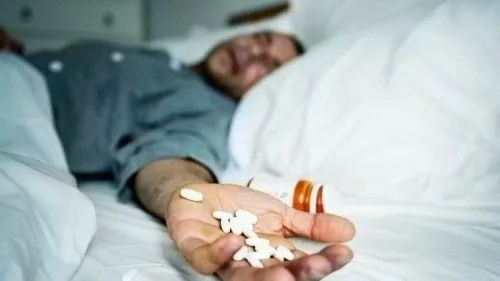
| Possible opioid overdose | Pinpoint pupils, inability to wake, gurgling or snoring breaths, or breathing fewer than 8 times per minute | Give take-home naloxone if available, call 112, and follow dispatcher instructions. Start rescue breathing or CPR only if trained. |
Do not give food, alcohol, sleeping tablets, or another person’s medicine to someone who is drowsy or confused. After opioid treatment, tolerance drops quickly; a return to the old dose can stop breathing. Ask the treating team about naloxone and overdose training before discharge.
If you are unsure whether danger is immediate, call 112. For mental-health guidance without immediate physical danger, contact Tele-MANAS at 14416.
Frequently asked questions
What should you do during the first 24 hours after returning home?
Follow the written discharge plan, stay with a sober trusted adult, take medicines exactly as prescribed, remove alcohol and drugs, and keep emergency contacts visible.
How can you manage triggers during the first week and first 90 days?
List people, places, emotions and routines linked to use, then create specific alternatives such as changing routes, blocking contacts, attending follow-up appointments and using an agreed craving-response plan.
What is the difference between a lapse and a relapse?
A lapse is a return to substance use after treatment; a relapse is a broader return to an active pattern of use. Report either event quickly instead of hiding it, because early support can reduce harm.
When should you seek substance recovery support in Nashik?
Seek help when follow-up appointments are missed, cravings increase, prescribed medicines cause problems, family safety deteriorates, or you cannot follow the home recovery plan. Ask providers about medical supervision, counselling, family work and continuing care.
When do symptoms require same-day or emergency care?
Contact a clinician the same day for worsening withdrawal, repeated vomiting, dehydration, severe anxiety, hallucinations or inability to take prescribed medicines. Call emergency services for unconsciousness, slowed or stopped breathing, seizures, severe confusion, chest pain or suicidal intent.
Related service
vyasanmukti kendra व्यसनमुक्ति केंद्र नाशिक आत्मा व्यसनमुक्ती केंद्र, नाशिक आमचे आत्मा व्यसनमुक्ती केंद्र, नाशिक, हे दारू व अमली पदार्थांच्या व्यसनातून मुक्त होण्यासाठी उत्कृष्ट आणि प्रभावी... |