When someone needs residential addiction care quickly, the first decision is not which facility has an open bed; it is whether the person needs emergency hospital treatment, supervised withdrawal, or a planned admission. You will learn how to triage the situation, request an urgent assessment, prepare for admission, compare facilities, and confirm that recovery support will continue after detoxification.
Key takeaways
- Call 112 for seizures, unconsciousness, slow breathing, or suicidal behaviour.
- Request a clinical assessment before committing to residential admission.
- Bring identification, medication details, medical records, and emergency contacts.
- Confirm withdrawal monitoring, psychiatric care, staffing, and an aftercare plan.
Is this a residential admission or a hospital emergency?
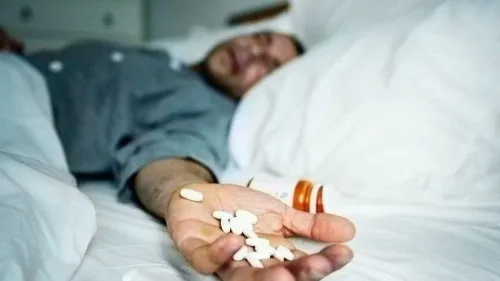
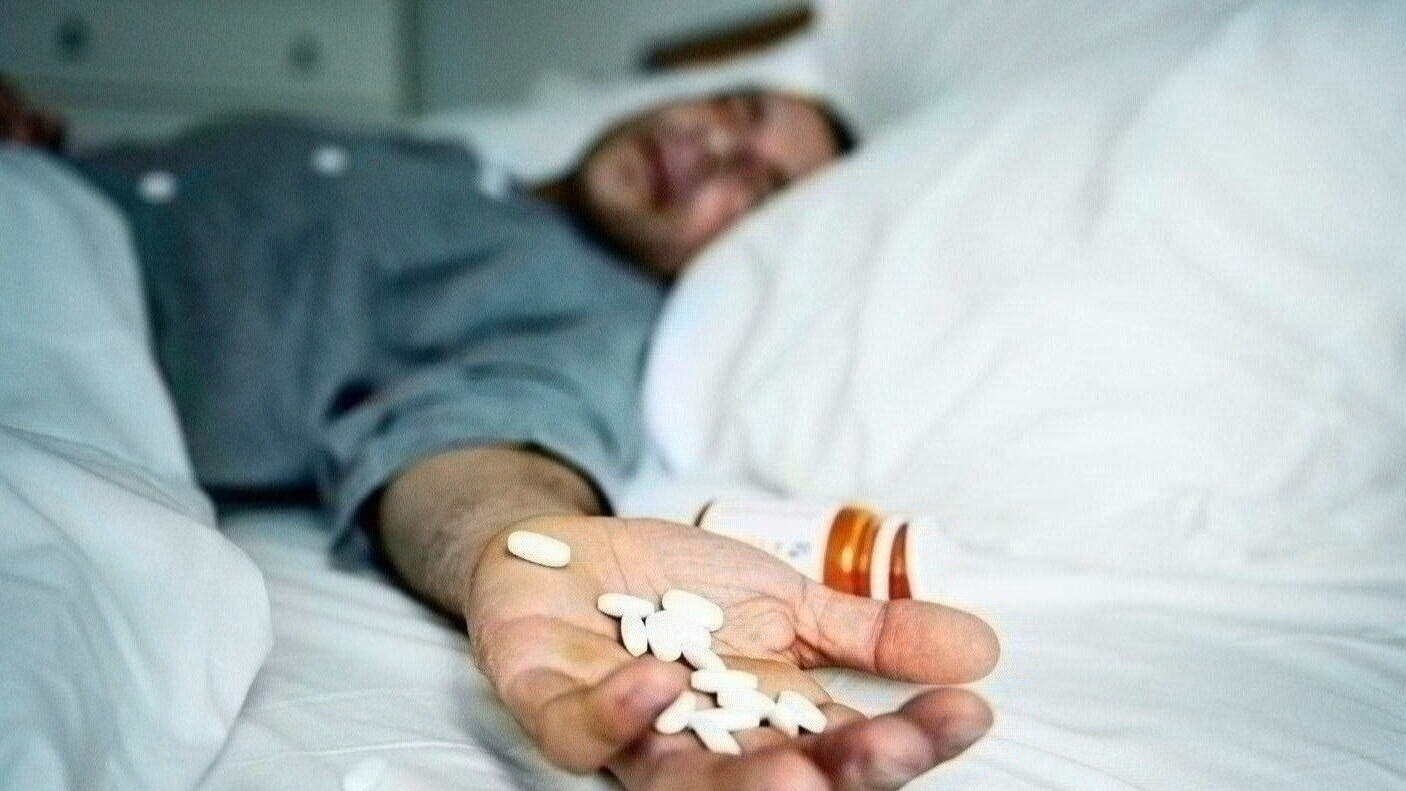
Call 112 or go to a hospital before arranging residential admission if the person is unconscious, having a seizure, breathing slowly, severely confused, hallucinating, suicidal, violently agitated, or experiencing chest pain, persistent vomiting, fever, or severe tremors. These signs can indicate overdose, dangerous withdrawal, infection, or a psychiatric emergency.
Use emergency care first when:
- The person cannot stay awake, breathe normally, or respond to you.
- There is a seizure, repeated vomiting, blue lips, severe injury, or suspected overdose.
- They threaten suicide, have access to a weapon, or cannot be kept safely away from others.
- Alcohol withdrawal includes confusion, hallucinations, fever, or marked shaking.
- Violence makes transport unsafe. Do not restrain or place the person in a private vehicle; call 112.
Searching for residential de addiction programs care soon in nashik should begin with a clinical triage call, not only a bed-availability question. A residential route fits someone who is awake, medically stable, and safe to transport, with no emergency signs.
Ask the program to assess the substance and amount used, route, time of last use, previous withdrawal seizures or delirium, illnesses, medicines, pregnancy where relevant, suicidal thoughts, psychosis, and current intoxication.
Do not tell someone with severe alcohol dependence to stop abruptly at home while waiting. If the person is stable, arrange supervised transport and confirm who can manage withdrawal and transfer emergencies to a hospital.
How to request a fast clinical assessment in Nashik
Do not open with “Do you have a bed?” Say that you need an urgent clinical assessment for possible residential treatment, and give the person’s location, age, current condition, and whether they can travel safely. Ask for the clinician or nurse who will perform the triage.
If the person is unconscious, having a seizure, severely confused, hallucinating, struggling to breathe, violent, or expressing suicidal intent, call 112 or go to a hospital emergency department. Do not wait for a routine residential intake or attempt to manage severe alcohol or benzodiazepine withdrawal alone.
- State the substance or substances used, approximate amount, route, frequency, time of last use, and whether the person is intoxicated or already withdrawing.
- Report previous withdrawal seizures, delirium tremens, overdoses, severe agitation, psychiatric admissions, self-harm, and current suicidal thoughts.
- Give medical details that change risk: epilepsy, diabetes, liver or heart disease, pregnancy, allergies, current medicines, opioid use, and recent injuries.
- Ask who will assess the person, who is physically present overnight, who administers withdrawal medicines, and whether a doctor can review them promptly.
- Ask whether the facility can manage alcohol, benzodiazepine, opioid, stimulant, or multiple-substance withdrawal, and how it transfers seizures, delirium, overdose, or suicidal behaviour to hospital.
For drug rehab admission in nashik, request a clear decision: residential assessment now, hospital clearance first, or emergency transfer. Ask what to do if the facility cannot accept the person safely.
What to prepare for same-day or next-day admission
Before a drug rehab admission in Nashik, call for a clinical triage appointment rather than asking only whether a bed is available. Give the person’s substance, amount and route, time of last use, previous withdrawal seizures or delirium, medical conditions, medicines, allergies, pregnancy status, suicidal thoughts, and current intoxication.
- Carry government photo identification, an address proof, insurance details if applicable, and two emergency contacts with phone numbers.
- Bring prescriptions, medicine strips or bottles, discharge summaries, laboratory reports, psychiatric records, and the name of the treating doctor.
- Pack 3–5 days of comfortable clothing, washable footwear, toiletries without alcohol, spectacles, and essential mobility or communication aids.
- Leave cash, jewellery, weapons, alcohol, drugs, sharp objects, unapproved medicines, and expensive electronics at home; ask about the facility’s exact prohibited-items list.
| Prepare | Why it matters | What to confirm |
|---|---|---|
| Consent and rights | Admission requires informed agreement and clear safety rules | Treatment plan, confidentiality, record access, complaints, discharge, restraints, and hospital transfer |
| Medical clearance | Alcohol or benzodiazepine withdrawal can cause seizures; other substances need different monitoring | Who will assess withdrawal and provide 24-hour medical cover |
| Family participation | Staff need reliable history if the patient is confused or unable to answer | Who may receive updates and which phone number to use |
The patient should review and sign consent documents while able to understand them; a family signature does not replace the patient’s consent when the patient has decision-making capacity.
If there is confusion, hallucination, seizure, severe tremor, fever, persistent vomiting, chest pain, unconsciousness, violence, or suicidal intent, seek emergency medical care instead of routine residential drug treatment in Nashik.
How to check whether a residential facility is equipped for this person
Choose a facility only after its answers match the person’s withdrawal and psychiatric risks, not its appearance or advertised program length. For residential drug treatment in nashik, ask:
- Who is physically present overnight, and who checks residents between scheduled rounds?
- Can a doctor assess the person promptly, and who administers withdrawal medicines?
- Can you manage alcohol or benzodiazepine withdrawal, seizures, delirium, overdose, severe agitation, psychosis, or suicidal behaviour?
- How often are vital signs and withdrawal symptoms recorded during the first 72 hours?
- Which hospital receives emergencies, who calls 112, and who stays with the patient during transfer?
- Are rooms clean, ventilated, lockable from the outside only for safety, and suitable for observation? How are medicines, smoking, visitors, phones, and prohibited items controlled?
- Will the patient receive a written explanation of consent, confidentiality, access to basic records, complaints, restraints, discharge, and hospital-transfer rules?
- Does the programme provide individual counselling, family work, motivational interviewing, cognitive-behavioural work, trigger planning, and treatment changes when a method fails?
Use this comparison before choosing residential addiction recovery in nashik:
| Capability | Evidence to request | Warning sign |
|---|---|---|
| Medical cover | Named doctor, medication protocol, withdrawal observations | “Staff will watch him” without clinical details |
| Emergency transfer | Hospital name, transport plan, 112 procedure, family notification | No written escalation process |
| Rights and records | Consent form, record-access and complaint process | Secrecy, humiliation, forced confession, or unexplained restraint |
When assessing Aatma De-Addiction & Rehabilitation Center, ask these same questions and request clear answers before admission, especially about overnight staffing and hospital transfer.
Related services
alcohol and drugs deaddiction centre alcohol and drugs deaddiction centre At Aatma De-addiction Center, Nashik, we specialize in providing comprehensive care for individuals battling alcohol and drug addiction. |
De-addiction Center "Aatma De-addiction and Rehabilitation Center" It became evident that today’s young generation is increasingly falling prey to the grip of addictive... View service → |
What should happen after withdrawal and the first residential stay?
A safe discharge plan chooses the next level of care by risk, stability, and support—not by a fixed number of residential days. Detoxification controls acute withdrawal; residential addiction recovery in Nashik must also address cravings, drug-use patterns, mental illness, relapse risk, and family safety.
| Option | What it does | When it applies |
|---|---|---|
| Detoxification | Monitors withdrawal and gives medical treatment | Acute withdrawal, intoxication, or seizure risk |
| Residential addiction recovery | Provides supervised therapy, medication review, skills training, and relapse planning | The person is medically stable but cannot recover safely at home |
| Outpatient follow-up | Continues counselling, medicines, testing, and review without overnight care | Housing is safe and the person can attend reliably |
| Hospital psychiatry | Treats psychosis, mania, severe depression, suicidality, or dangerous behaviour | Mental-health risk needs hospital-level assessment or containment |
| Longer-term rehabilitation | Builds routine, work or study skills, family support, and sustained relapse prevention | Repeated relapse, unsafe housing, or limited recovery support persists |
Families comparing residential de addiction programs care soon in Nashik should ask the facility to name the next clinician or service before discharge. The plan should include:
- Follow-up date, medication supply, prescriber, and monitoring instructions.
- Early warning signs, what to do after renewed craving or a lapse, and a 24-hour emergency contact.
- Family responsibilities, transport arrangements, housing protections, and consent for information-sharing.
A short stay is not a guaranteed cure. Choose duration according to withdrawal history, psychiatric and medical stability, prior treatment response, housing safety, and access to continuing care.
Frequently asked questions
When should you choose a hospital emergency instead of residential admission?
Call 112 or go to a hospital if the person is unconscious, having a seizure, breathing slowly, severely confused, hallucinating, suicidal, violently agitated, or experiencing chest pain, persistent vomiting, fever, or severe tremors.
How can you request a fast clinical assessment in Nashik?
Contact a residential treatment provider and provide the person’s substance use, last use, current symptoms, medical conditions, psychiatric history, medications, and immediate safety risks. Ask for an urgent clinician-led assessment and clear instructions for transport.
What should you prepare for same-day or next-day drug rehab admission in Nashik?
Prepare identification, contact details, medication lists, prescriptions, medical and psychiatric records, insurance information if relevant, emergency contacts, and a concise timeline of substance use and withdrawal symptoms.
How do you check whether a residential facility is equipped for this person?
Ask who assesses admissions, how withdrawal is monitored, what happens during seizures or severe confusion, whether psychiatric care is available, how medicines are managed, staffing arrangements, emergency transfer procedures, family communication, and follow-up planning.
What should happen after withdrawal and the first residential stay?
The next step should include an individual recovery plan, relapse-prevention work, family involvement when appropriate, continuing clinical review, and a written aftercare plan covering follow-up appointments, support, medication, and emergency contacts.
Related service
vyasanmukti kendra व्यसनमुक्ति केंद्र नाशिक आत्मा व्यसनमुक्ती केंद्र, नाशिक आमचे आत्मा व्यसनमुक्ती केंद्र, नाशिक, हे दारू व अमली पदार्थांच्या व्यसनातून मुक्त होण्यासाठी उत्कृष्ट आणि प्रभावी... |