Repeated relapse, concealed use, rising doses, withdrawal symptoms, or unsafe behaviour can show that family supervision is no longer enough. You will learn how to identify emergencies, choose the right level of care, compare Nashik treatment options, protect the patient’s rights, and plan recovery beyond admission.
Key takeaways
- Treat repeated relapse, hidden use, and withdrawal as escalating safety risks.
- Choose supervised care when home recovery cannot control use or withdrawal.
- Compare staffing, medical oversight, medicines, counselling, and total costs.
- Confirm consent, admission requirements, family involvement, and aftercare before enrolling.
When home recovery has become unsafe
Home support is no longer a safe treatment plan when the person repeatedly relapses, hides use, takes larger doses, or develops withdrawal between doses. Treat these signs as a change in risk, not a failure of family effort:
- Missed work, school, appointments, meals, or essential medicines
- Driving while intoxicated, violence, unsafe sex, or leaving children unsupervised
- Family members cannot monitor use, medicines, money, or sleep consistently
- Severe anxiety, depression, suicidal thoughts, paranoia, or hallucinations
- Previous overdose, seizure, delirium, or serious withdrawal
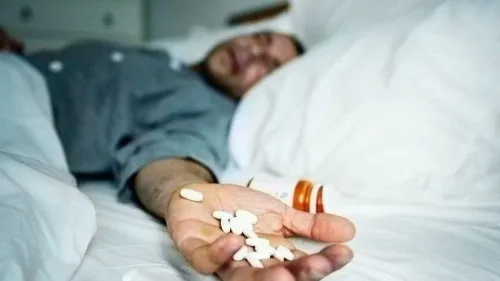
Call emergency services instead of searching for an affordable drug de addiction center when home support stops working in Nashik if the person is unconscious, breathing slowly or not at all, having a seizure, severely agitated, confused, experiencing chest pain, or suspected of overdosing.
After opioid use has stopped for a period, a previously tolerated dose can become fatal. If legally and locally available, keep naloxone accessible and learn to recognise slow or stopped breathing.
Do not make the person stop alcohol, opioids, or sedatives suddenly without clinical assessment; withdrawal can become dangerous. A clinician should review the substance, dose, use pattern, prior withdrawal, overdose history, medical illness, housing safety, suicidality, and ability to attend follow-up.
The result could be supervised withdrawal, outpatient care, opioid-agonist treatment, residential rehabilitation, or hospital care. Family support helps, but it cannot replace withdrawal monitoring, prescribing, psychiatric assessment, or emergency response.
Choose the right level of care before admission
A clinician should choose the level of care after assessing the substance, dose, frequency, last use, previous withdrawal, overdose history, medical illness, suicidality, psychosis, housing safety and ability to attend appointments. Do not select residential treatment automatically because home support failed.
| Option | What it means | When it applies |
|---|---|---|
| Outpatient treatment | Scheduled medical reviews, counselling and follow-up while living at home | Stable withdrawal risk, safe housing and reliable attendance |
| Medically supervised withdrawal | Monitoring of vital signs and prescribed medicines during withdrawal | Risk from alcohol, sedatives, opioids or severe previous withdrawal |
| Residential rehabilitation | Live-in structured treatment with continuous supervision and therapy | Unsafe home conditions, repeated relapse or inability to maintain daily safety |
| Opioid-agonist treatment | Medicines such as buprenorphine or methadone, with monitoring and recovery support | Opioid dependence, especially repeated relapse or overdose risk |
| Hospital care | Emergency or inpatient medical and psychiatric treatment | Overdose, seizure, delirium, severe agitation, chest pain, psychosis or suicidal intent |
Before choosing an affordable drug de addiction center in nashik, ask who examines patients, who can prescribe withdrawal medicines, how often staff record pulse, blood pressure, breathing and oxygen level, and which hospital receives emergencies. A “detox” label does not prove 24-hour medical monitoring.
After opioid abstinence, the old dose can become fatal. Confirm the centre’s overdose response, family training to recognise slow or stopped breathing, and access to naloxone where legally and locally available. For unresponsiveness, blue lips, absent breathing or a seizure, call 112 instead of waiting for admission.
What drug treatment after home recovery looks like
Drug treatment after home recovery should begin with a clinician-led assessment, not a bed booking. The clinician identifies the substance and pattern of use, previous withdrawal or overdose, medical conditions, suicidal thoughts, psychosis, housing safety, and ability to attend follow-up.
Unconsciousness, slowed breathing, seizures, chest pain, severe agitation, or suspected overdose require emergency medical help, not a centre search.
1. Set a withdrawal plan. Stopping suddenly can be dangerous with alcohol, benzodiazepines, and some other substances. Ask who prescribes medicines, checks vital signs, provides 24-hour monitoring, and transfers emergencies to a named hospital.
2. Start treatment for the cause as well as the withdrawal. Counselling should address cravings, triggers, depression, anxiety, trauma, or psychosis, with opioid-agonist treatment considered when clinically appropriate.
3. Involve relatives with the patient’s consent. Write down who manages medicines and money, what warning signs to report, whom to call after hours, and what the patient and family will each do.
4. Plan discharge before it happens. The written plan should name the next appointment, prescriber and medicines, clinically justified urine monitoring, relapse-warning signs, peer or family supports, and a rapid route back into care.
5. Continue support after discharge. Schedule follow-up, counselling, medication reviews, and recovery check-ins rather than treating residential stay as a cure. A centre that cannot explain its aftercare may leave the highest-risk week unmanaged.
How to compare low-cost addiction care in Nashik
Compare centres by written answers, not by the lowest advertised fee. Low cost addiction care in nashik is not economical if inadequate monitoring leads to an emergency, relapse, or readmission.
Ask these questions before admission:
- Who examines the patient, prescribes withdrawal medicines, and checks blood pressure, pulse, oxygen level, and mental state overnight?
- Which hospital receives patients after a seizure, overdose, severe agitation, chest pain, or breathing problems?
- What are the rules for consent, treatment refusal, visitors, phone use, privacy, restraint, seclusion, and discharge?
- Which staff are present each shift, and what qualifications do the doctor, nurse, counsellor, and attendants hold?
- Which treatment level follows the assessment: outpatient care, medically supervised withdrawal, opioid-agonist treatment, residential rehabilitation, or hospital care?
- What happens after discharge, including the next appointment, prescriber, medicines, family contact, relapse plan, and rapid re-entry to care?
| Area | Ask for | Warning sign |
|---|---|---|
| Medical and emergency care | 24-hour monitoring, prescribing authority, vital-sign schedule, named receiving hospital | “Detox” without clinical details |
| Safety and rights | Written consent, privacy, visitor, restraint, seclusion, and refusal policies | Locked rooms, humiliation, beating, withheld food, or medicines |
| Fees | Itemised estimate for assessment, medicines, tests, doctor reviews, stay, food, counselling, transport, follow-up, and readmission | A room-only price with medical costs excluded |
| Treatment quality | Named clinicians and an individual plan, not a fixed 15-, 30-, or 90-day promise | Guaranteed permanent recovery |
If considering Aatma De-Addiction & Rehabilitation Center, request these answers and the full written estimate before paying. Unconsciousness, slowed breathing, seizures, delirium, or suspected overdose requires emergency medical help, not centre-shopping.
Related services
alcohol and drugs deaddiction centre alcohol and drugs deaddiction centre At Aatma De-addiction Center, Nashik, we specialize in providing comprehensive care for individuals battling alcohol and drug addiction. |
De-addiction Center "Aatma De-addiction and Rehabilitation Center" It became evident that today’s young generation is increasingly falling prey to the grip of addictive... View service → |
Protect consent, prepare for admission, and plan for recovery
Treatment refusal is not permission to threaten, lock up, shame, beat, or withhold food, medicines, or contact. Explain the risks, offer a clinician-led assessment, and leave the door open. If the person is unconscious, breathing slowly or not at all, seizing, severely agitated, delirious, or has chest pain, call emergency services instead of negotiating admission.
- Ask the centre to explain consent, privacy, visitors, restraint, seclusion, discharge, and refusal rules before arrival. Confirm who examines patients, who prescribes withdrawal medicines, how vital signs are checked, which hospital receives emergencies, and whether staff can explain naloxone access where it is legally and locally available.
- Pack identification, medical and psychiatric records, prescriptions, allergy details, emergency contacts, comfortable clothing, basic toiletries, and approved payment documents. Leave valuables, excess cash, alcohol, drugs, weapons, and unapproved medicines at home.
- Arrange a safe local journey, a named family contact, after-hours numbers, and a plan for missed calls or delayed transport. A useful drug dependence support plan in Nashik states what the patient, relatives, and centre will each do, including medicine and money management.
- Agree on the next appointment, prescriber, medicines, warning signs, peer or family support, and rapid re-entry route before discharge. Ask about urine monitoring only when clinically justified.
Recovery is not proved by completing 15, 30, or 90 days. A relapse calls for reassessment of medication, psychiatric care, housing, support, or follow-up—not punishment. Structured, consent-based drug dependence support in nashik protects trust while keeping expectations realistic.
Frequently asked questions
When has home recovery become unsafe for someone using drugs?
Home recovery is unsafe when the person repeatedly relapses, hides use, takes larger doses, or develops withdrawal between doses. These signs indicate increased risk and the need for a formal assessment.
How do you choose the right level of drug treatment after home recovery?
Start with a clinical assessment. The treatment level depends on withdrawal risk, medical and psychiatric needs, relapse pattern, daily support, and whether the home environment can remain safe.
What should you compare when looking for low-cost addiction care in Nashik?
Compare medical supervision, trained staff, withdrawal management, counselling, medicines, family support, accommodation, follow-up care, exclusions, and the full cost rather than the headline fee alone.
How can families prepare for admission and protect consent?
Explain the treatment plan, confirm the person’s consent and admission documents, list current medicines and substance use, secure essential belongings, and agree on family communication and continuing recovery support.
Related service
vyasanmukti kendra व्यसनमुक्ति केंद्र नाशिक आत्मा व्यसनमुक्ती केंद्र, नाशिक आमचे आत्मा व्यसनमुक्ती केंद्र, नाशिक, हे दारू व अमली पदार्थांच्या व्यसनातून मुक्त होण्यासाठी उत्कृष्ट आणि प्रभावी... |