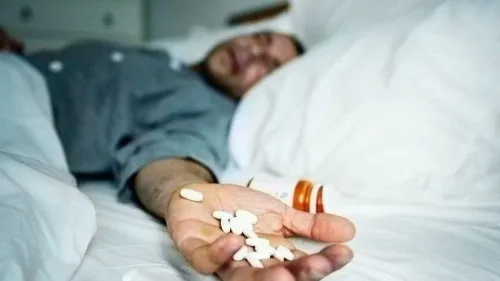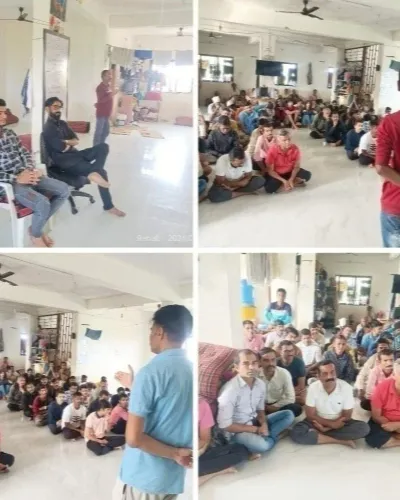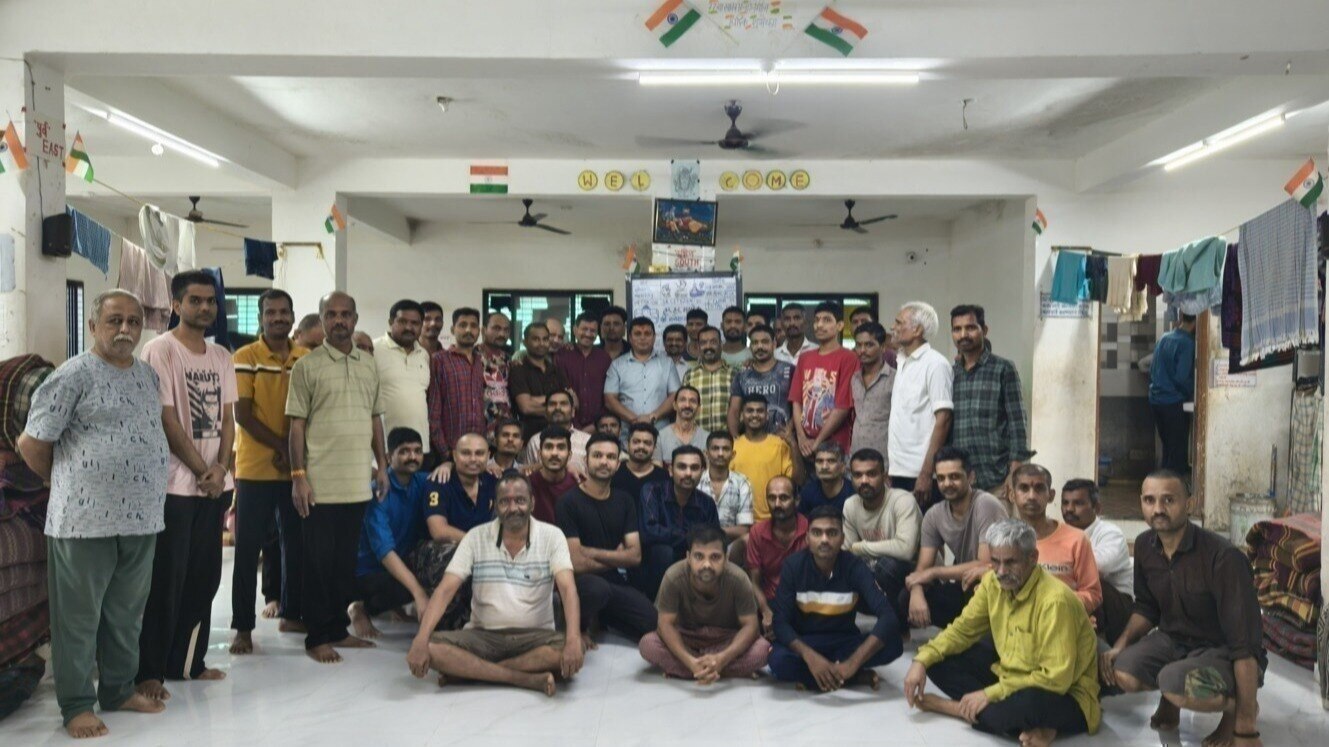
A drug-rehabilitation enquiry is a clinical safety conversation, not merely a request to reserve a bed. Families need to know when to call emergency medical services, what information to prepare, what admission day will involve, and how to compare residential care with hospital or outpatient treatment before travelling.
Key takeaways
- Request clinical triage before accepting a bed confirmation.
- Match withdrawal risk and patient condition to the treatment setting.
- Ask for medical staffing, emergency transfer and medication protocols.
- Plan follow-up care before discharge, not after relapse occurs.
Start with clinical triage, not a bed confirmation
A search for an inpatient drug for rehabilitation center in Nashik with prompt admission enquiries should begin with clinical triage, not a bed promise.
Use the centre’s listed phone or messaging channel and provide the person’s identity, substance used, amount, last use, previous withdrawal or seizures, medical conditions, prescribed medicines, pregnancy status, suicidal thoughts, psychosis, and current intoxication. Ask when a qualified clinician will call back.
Do not drive the person to a rehabilitation facility if they have:
- Reduced consciousness or suspected overdose
- Slow or difficult breathing
- A seizure, delirium, or severe confusion
- Chest pain or severe dehydration
- Suicidal intent, serious self-harm, or uncontrolled violence
- Severe intoxication or an unstable medical condition
Call emergency medical services and request hospital assessment instead. Abruptly stopping alcohol or benzodiazepines can cause seizures or delirium, so arrange medical guidance before admission. Opioid withdrawal also needs overdose-risk planning, particularly after tolerance falls.
Before travelling to an inpatient drug rehabilitation center in Nashik, ask whether a clinician performs the initial assessment, whether nurses or doctors monitor patients around the clock, which withdrawal medicines may be used, and how emergencies transfer to a hospital.
Confirm family-update consent, required identity and medical documents, prescribed medicines to bring, payment terms, and the expected response time. Do not accept guaranteed detox, a guaranteed cure, or permanent abstinence as a safety standard.
Match the substance, withdrawal risk and patient condition to the right setting
A request for drug rehab admission in Nashik starts with clinical triage, not bed availability. Tell the clinician the substance, amount and time of last use, previous withdrawal or seizures, current medicines and illnesses, pregnancy, suicidal thoughts, psychosis, and whether the person is intoxicated.
Ask who will assess them, whether 24-hour monitoring exists, and how emergencies are transferred.
Call emergency medical services instead of taking the person directly to a rehabilitation centre if they have:
- Unconsciousness, slow or difficult breathing, blue lips, or suspected overdose
- A seizure, severe confusion, delirium, or extreme agitation
- Chest pain, severe dehydration, high fever, or another unstable medical illness
- Suicidal intent, serious self-harm, or violence that cannot be safely controlled
| Substance or condition | Safer starting setting | Why it matters |
|---|---|---|
| Alcohol or benzodiazepines | Hospital or medically supervised detoxification | Abrupt withdrawal can cause seizures, delirium and dangerous changes in vital signs. |
| Opioids | Emergency care for overdose; supervised withdrawal or rehabilitation when stable | Overdose threatens breathing, while withdrawal still needs symptom and relapse planning. |
| Cannabis | Outpatient or residential care, based on functioning and psychiatric symptoms | Withdrawal is usually less medically dangerous, but anxiety, insomnia or psychosis can require closer care. |
| Stimulants or prescription medicines | Hospital assessment for chest pain, psychosis or severe agitation; otherwise structured treatment | Medical and psychiatric complications determine the level of monitoring. |
Choose inpatient rehabilitation when the person is medically stable but cannot stop safely at home, needs a controlled setting, or has repeated relapse, unsafe surroundings or co-occurring psychiatric symptoms. Detoxification alone is not rehabilitation; the plan must continue with craving management, family work and relapse-risk care.
Know what happens from admission morning through inpatient care
Admission morning starts with identity verification, a private clinical assessment and consent for treatment. The clinician records the last alcohol or drug use, previous withdrawal seizures or delirium, current symptoms, medical conditions, psychiatric history, suicide risk and prescribed medicines.
A calm appearance does not rule out dangerous alcohol withdrawal, which can begin within hours after the last drink.
Bring or prepare:
- Government photo identification and insurance or payment details
- An emergency contact’s name and telephone number
- The patient’s medicine list, prescriptions and recent medical reports
- Information about allergies, chronic illness, previous treatment and withdrawal episodes
- Signed consent for admission, treatment and agreed family updates
Before settling in, ask who provides the assessment, whether nurses and medical staff are available around the clock, which withdrawal medicines may be used, and how a hospital transfer works. Confirm whether opioid treatment such as buprenorphine or methadone will continue when clinically indicated; residential admission is not a reason to withhold it.
Ask how depression, bipolar disorder, psychosis or trauma will be assessed alongside substance use.
A usual inpatient routine combines medication monitoring, meals, sleep, hygiene, individual counselling, group sessions and family work with scheduled reviews. Staff track withdrawal signs and adjust care rather than expecting immediate abstinence without supervision.
Inpatient addiction care in Nashik should end with a written plan naming follow-up appointments, continuing medication, counselling or mutual-help options, transport and housing risks, permitted family involvement, and exact steps after a lapse or return to use. Recovery continues beyond the initial stay.
Ask the centre questions that test safety and suitability
Compare centres on clinical safeguards, not on the earliest available bed. During a prompt enquiry, ask who will assess the patient, what happens if the patient is intoxicated or unstable, and how the centre handles withdrawal and psychiatric risk.
| Question to ask | Safer answer to look for | Warning sign |
|---|---|---|
| Who performs the admission assessment? | A qualified clinician reviews substance, amount, last use, seizures, medical illness, pregnancy, suicidal thoughts and psychosis. | Staff confirm admission without asking health questions. |
| Is medical monitoring available? | The centre explains its nursing or medical cover, withdrawal medicines and observation process. | No clear answer about alcohol or benzodiazepine withdrawal. |
| What happens in an emergency? | A defined transfer pathway to a hospital covers seizures, breathing difficulty, delirium, reduced consciousness and severe self-harm risk. | Staff tell you to transport a medically unstable person directly to the centre. |
| Are mental-health conditions assessed? | Screening includes depression, bipolar disorder, psychosis, trauma, suicide risk and cognitive impairment. | The plan addresses substance use but ignores psychiatric symptoms. |
| What will the family receive in writing? | Consent rules, permitted family updates, costs, belongings, medicines and discharge follow-up are documented. | Promises of a guaranteed cure or permanent abstinence. |
Before drug rehab admission in Nashik, ask what documents and current medicines to bring. If the person has chest pain, dangerous withdrawal, a seizure, breathing difficulty or reduced consciousness, call emergency medical services instead.
Aatma De-Addiction & Rehabilitation Center is one centre families can question using this same checklist, rather than choosing by reputation or vacancy alone.
Related services
alcohol and drugs deaddiction centre alcohol and drugs deaddiction centre At Aatma De-addiction Center, Nashik, we specialize in providing comprehensive care for individuals battling alcohol and drug addiction. |
De-addiction Center "Aatma De-addiction and Rehabilitation Center" It became evident that today’s young generation is increasingly falling prey to the grip of addictive... View service → |
Treat discharge as the start of continuing recovery care
Discharge is incomplete without a written plan for the next stage of care. Detoxification controls withdrawal; it does not resolve cravings, triggers, psychiatric symptoms, overdose risk or unsafe living conditions.
Choosing inpatient drug for rehabilitation center in Nashik with prompt admission enquiries is only the beginning, because recovery usually requires longer follow-up than the admission itself.
The plan must specify:
- The date, clinician and purpose of the first follow-up appointment, plus appointments for addiction treatment and co-occurring depression, bipolar disorder, psychosis or trauma.
- Every continuing medicine, dose, timing, duration and prescriber, including what to do if a dose is missed.
- Counselling, relapse-prevention sessions and suitable mutual-help options, with contact details and meeting times.
- A safe transport arrangement, housing plan and protection from people, places or money linked to substance use.
- How family members will participate, but only with the patient’s permission.
- What to do after a lapse or return to use: contact the treatment team, reassess withdrawal and mental health, review overdose risk, and adjust care rather than blame or automatic discharge.
Ask for warning signs that require emergency help, such as slowed breathing, unconsciousness, seizure, severe confusion or suicidal intent. Inpatient addiction care in Nashik is stronger when the centre confirms who receives follow-up calls and what happens if an appointment is missed.
Frequently asked questions
Why should clinical triage come before inpatient admission?
Triage identifies withdrawal risk, medical complications, psychiatric symptoms and the level of monitoring the patient needs before admission.
How do you choose the right inpatient addiction care setting in Nashik?
Match the substance used, expected withdrawal symptoms, physical health, psychiatric condition and required supervision to the centre’s clinical capabilities.
What should happen on the morning of drug rehab admission in Nashik?
The team should verify identity, take a medical and substance-use history, assess immediate risks, review medicines and explain the treatment plan and house rules.
What should you ask an inpatient drug rehabilitation centre before admission?
Ask about qualified medical staff, withdrawal monitoring, emergency transfer arrangements, medication storage, family communication, consent and discharge planning.
Why does continuing recovery care matter after discharge?
Discharge planning connects the patient with follow-up appointments, counselling, family support, relapse-prevention steps and urgent help if warning signs return.
Related service
vyasanmukti kendra व्यसनमुक्ति केंद्र नाशिक आत्मा व्यसनमुक्ती केंद्र, नाशिक आमचे आत्मा व्यसनमुक्ती केंद्र, नाशिक, हे दारू व अमली पदार्थांच्या व्यसनातून मुक्त होण्यासाठी उत्कृष्ट आणि प्रभावी... |