Repeated relapse, unsafe drug use, aggression, financial damage and refusal of appointments can leave a family unsure whether home support is still safe. You will learn how to judge urgency, handle refusal lawfully, prepare for admission, compare inpatient services and build a workable plan for treatment and recovery after discharge.
Key takeaways
- Call emergency services after overdose, unconsciousness, seizures, or suicidal behaviour.
- Do not force admission; seek a clinical assessment and immediate safety plan.
- Ask who provides 24-hour observation, detox medical care, and psychiatric support.
- Plan transport, home boundaries, follow-up appointments, and relapse responses before discharge.
When family treatment problems make inpatient care urgent
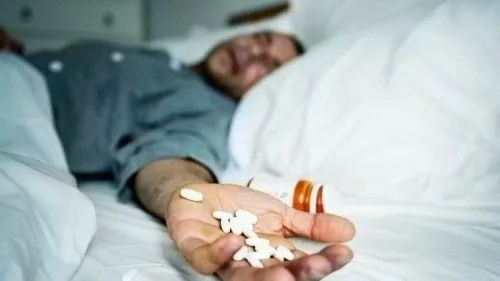
A person needs emergency medical attention—not a rehabilitation admission—after an overdose, loss of consciousness, slow or irregular breathing, seizure, chest pain, severe confusion, suicidal behaviour, or violent agitation. Call emergency services and do not leave the person alone.
| Situation | Appropriate response | Why it matters |
|---|---|---|
| Unresponsive, breathing slowly, or suspected overdose | Emergency transfer now; use naloxone if available and trained | Breathing can stop before help arrives |
| Heavy alcohol or benzodiazepine use followed by tremors, hallucinations, or seizures | Immediate medical assessment | Withdrawal can become life-threatening |
| Repeated relapse, unsafe use, or refusal of outpatient appointments | Urgent inpatient assessment | The home setting is not containing the risk |
| Aggression, missing work, financial damage, or child-safety concerns | Safety plan and structured family support | Continued exposure can harm relatives and dependants |
Inpatient care becomes a serious option when the family cannot supervise safely, the person repeatedly leaves treatment, or drug use has caused dangerous neglect, medical deterioration, or escalating conflict. Ask the facility to assess the substance, amount, route, last use, previous withdrawal, overdoses, medicines, and mental-health symptoms.
Family involvement should include education, communication training, boundary-setting, relapse planning, and consent-based family meetings. Family counselling alone cannot treat the person’s dependence. Families seeking drug rehab for family concerns in nashik should also ask about medical cover, withdrawal monitoring, emergency transfer, medication policies, and the legal basis for admission if an adult wants to leave.
What families can do when the person refuses treatment
Refusal is not proof that inpatient care is unnecessary, but it does limit what a family can lawfully do. An adult’s denial, missed appointments, relapse, aggression, debt or unsafe drug use calls for a structured assessment, not secret transport or confinement.
Ask whether outpatient care remains safe and workable; if the person repeatedly refuses it while risks escalate, seek an urgent clinical opinion.
If there is an overdose, severe confusion, unconsciousness, suicidal intent, violent behaviour, or dangerous alcohol or benzodiazepine withdrawal, call emergency services. Do not restrain or drive the person alone. Opioid tolerance falls after abstinence, so returning to a former dose can cause fatal overdose; ask about naloxone and evidence-based opioid-use-disorder medicines.
Before contacting an inpatient drug rehabilitation center for family treatment problems in Nashik, use this checklist:
- Ask a psychiatrist or addiction physician to assess capacity, withdrawal risk, psychiatric symptoms and immediate safety.
- State the boundary clearly: no drugs, threats, violence or access to children while intoxicated; explain what the family will do if it is broken.
- Ask the facility how consent is obtained and what happens if the adult wants to leave.
- Request its written withdrawal protocol, medical cover, emergency-transfer plan, medication policy, complaint process and follow-up plan.
- Offer a family meeting, education, safety planning and communication support without making family counselling a substitute for the person’s assessment.
Under India’s Mental Healthcare Act, 2017, relatives cannot authorise indefinite detention simply by requesting it. Ask about supported decision-making, the nominated representative and the specific legal and clinical basis for any supported admission.
How admission works in Nashik, from the first call to 24-hour observation
The first call to an inpatient drug rehabilitation center in Nashik should lead to phone triage, consent checks, a clinical assessment, admission planning and supervised observation—not an instant promise of confinement.
Ask about the substance, amount, route, last use, previous withdrawal, overdose history, prescribed medicines, tobacco use, medical conditions and current mental state. A urine test can confirm recent exposure; it cannot alone diagnose dependence or decide admission length.
If admission proceeds, bring:
- Government identity documents and emergency contact details
- Prescription medicines in their original strips or containers
- Previous medical, psychiatric and laboratory records
- Comfortable clothes, while leaving valuables and unapproved medicines at home
An adult’s consent matters. Ask how the facility documents voluntary admission, what supported decision-making means, who acts as the nominated representative, and what legal and clinical basis applies if the person wants to leave. Relatives cannot authorise indefinite detention simply by requesting it.
During the first 24 hours, staff should complete physical and psychiatric checks, record vital signs, review medicines and begin withdrawal monitoring. Ask for the written protocol, on-site medical cover, emergency-transfer arrangement and medication policy. Alcohol or benzodiazepine withdrawal requires medical vigilance; abrupt medication stoppage and routine restraint or seclusion are warning signs.
Detoxification manages intoxication and withdrawal; rehabilitation comes afterward and addresses relapse prevention, motivation and mental-health needs. Ask how the plan covers opioid overdose prevention, naloxone access where available, evidence-based medicines and family sessions, then request a written aftercare and follow-up plan before admission.
What effective inpatient treatment includes beyond detoxification
Effective inpatient treatment continues after withdrawal: it combines medical monitoring, psychiatric care, counselling, skills practice, family work and a documented plan for life after discharge.
When comparing inpatient addiction care in nashik, check that the assessment records:
- The substance, amount, route, last use, previous withdrawal, overdoses, prescribed medicines and tobacco use.
- Medical conditions, including liver disease, infections, sleep problems and injuries.
- Depression, bipolar disorder, psychosis, trauma, suicidal thoughts, cognitive impairment and violence risk.
- Urine or other test results interpreted alongside the clinical interview. A positive result shows recent exposure; it does not prove dependence or determine treatment length.
A complete programme then moves through these stages:
- Withdrawal care: regular observations, symptom treatment and escalation for seizures, delirium, breathing problems or severe confusion.
- Psychiatric treatment: medication review, suicide-risk monitoring and care for co-occurring disorders rather than treating substance use alone.
- Rehabilitation: individual counselling, motivational work, group sessions, relapse-prevention planning and daily routines that rebuild social functioning.
- Opioid safety: discussion of evidence-based medicines, overdose prevention and naloxone access where available. Lost tolerance makes a return to the former dose especially dangerous.
- Family sessions: education, communication practice, boundaries, safety planning and work on enabling behaviour, with the patient’s consent.
- Continuing care: a written discharge plan covering medicines, triggers, appointments, housing, work, emergency contacts and follow-up.
A few days of detoxification is not the same as rehabilitation. Family counselling cannot replace assessment and treatment of the person using substances.
How to compare facilities and prepare for the family’s work after discharge
Before paying an admission fee, ask for written answers about safety, treatment, rights, cost and continuing care. Compare facilities using the same questions, not promises made during a crisis.
| Check | Credible facility | Warning sign |
|---|---|---|
| Safety | Named medical cover, withdrawal protocol, emergency-transfer hospital, medication records and a complaint process | Unmonitored alcohol or benzodiazepine withdrawal, routine restraint, or abrupt medication stoppage |
| Clinical care | Assessment records substance, amount, route, last use, overdoses, medicines, tobacco and psychiatric symptoms | A urine result alone determines diagnosis or length of stay |
| Legal rights | Explains consent, supported decision-making, nominated representative and the legal basis for supported admission under the Mental Healthcare Act, 2017 | Staff claim relatives can authorise indefinite detention of an adult |
| Cost | Itemised admission, room, doctor, medicines, tests, therapy, extension and refund charges | One combined price with no written inclusions |
Detoxification manages intoxication and withdrawal; rehabilitation must add counselling, relapse-prevention work, psychiatric care, social-function training and family sessions. Confirm who provides each service and whether follow-up continues after discharge. A few days of withdrawal management is not a complete programme.
Before leaving, obtain dates for appointments, medication supply and monitoring, family contacts, trigger planning and instructions after a lapse. Family addiction treatment support in Nashik should teach boundaries, communication and safety planning, not merely persuade admission.
Ask an inpatient drug rehabilitation center in Nashik to put these details in the discharge plan; Aatma De-Addiction & Rehabilitation Center is one facility families can ask these questions before deciding.
Related services
alcohol and drugs deaddiction centre alcohol and drugs deaddiction centre At Aatma De-addiction Center, Nashik, we specialize in providing comprehensive care for individuals battling alcohol and drug addiction. |
De-addiction Center "Aatma De-addiction and Rehabilitation Center" It became evident that today’s young generation is increasingly falling prey to the grip of addictive... View service → |
Frequently asked questions
When does a family treatment problem require inpatient addiction care?
Consider inpatient assessment when substance use creates repeated safety risks, severe withdrawal, failed outpatient treatment, unstable mental health, or an unsafe home environment. Emergency symptoms require emergency medical care, not a rehabilitation admission.
What can a family do when the person refuses drug treatment?
Do not use force or threats. Remove immediate hazards, set clear boundaries, seek a professional assessment, and contact emergency services for overdose, suicidal behaviour, violent agitation, or other danger.
How does admission to an inpatient drug rehabilitation center in Nashik work?
The process usually begins with a confidential call, a substance-use and medical assessment, consent and documentation, transport planning, admission screening, and supervised observation. Ask who handles emergencies and withdrawal complications.
What should inpatient addiction treatment include beyond detoxification?
Effective care combines withdrawal monitoring with medical and psychiatric assessment, counselling, relapse-prevention skills, family sessions, discharge planning, and continuing follow-up.
How should families compare inpatient facilities and prepare for discharge?
Compare clinical staffing, 24-hour observation, emergency transfer procedures, medication management, family involvement, privacy, written costs, and aftercare. Agree on home boundaries, follow-up appointments, and a relapse response plan before discharge.
Related service
vyasanmukti kendra व्यसनमुक्ति केंद्र नाशिक आत्मा व्यसनमुक्ती केंद्र, नाशिक आमचे आत्मा व्यसनमुक्ती केंद्र, नाशिक, हे दारू व अमली पदार्थांच्या व्यसनातून मुक्त होण्यासाठी उत्कृष्ट आणि प्रभावी... |