Stopping alcohol or benzodiazepines without medical assessment can lead to seizures, delirium, or other life-threatening complications, while a “24/7” treatment label does not always mean a clinician is physically present overnight. You will be able to distinguish emergency care from rehabilitation admission, judge whether scheduled treatment is safe, and verify what a Nashik facility actually provides before calling.
Key takeaways
- Ask whether medical staff and emergency cover operate overnight.
- Call emergency services for overdose, seizures, severe confusion, or breathing problems.
- Request the centre’s licence details, intake process, and withdrawal-care plan.
- Choose scheduled treatment when the person is medically stable and support is arranged.
What 24/7 Drug Rehab Services Mean in Practice
“24 by 7 drug rehab services” describes access, not one guaranteed level of care. A residential program may provide continuous supervision, while nursing, medical assessment, and emergency treatment operate on different schedules.
| Option | What it means | What it does not prove |
|---|---|---|
| Continuous residential supervision | Staff remain with residents throughout the night | Hospital-level monitoring or resuscitation |
| Overnight nursing | A nurse is physically present after hours | A doctor can assess withdrawal immediately |
| On-call doctor | A clinician responds by telephone or attends when contacted | Immediate in-person medical cover |
| 24-hour telephone line | Someone answers calls at any time | Emergency intake or treatment capacity |
| Emergency intake | The facility accepts an unscheduled assessment | Ability to manage seizures, delirium, or respiratory depression |
| Scheduled counselling appointments | Therapy occurs at booked times | Overnight observation or detoxification |
Ask these questions before relying on round the clock addiction care:
- Who is physically present overnight, and what are their qualifications?
- Can a qualified clinician assess withdrawal immediately?
- What admission hours apply on weekends and public holidays?
- Which hospital receives patients needing emergency transfer?
- What happens during a seizure, severe confusion, or breathing difficulty?
A telephone answered at 2 a.m. is not the same as a clinician at the bedside. Confirm the service’s actual overnight staffing, emergency-intake rules, and hospital-transfer plan before admission. For immediate danger, call 112 rather than waiting for a rehab appointment.
When a Person Needs Emergency Medical Care Instead of Rehab Admission
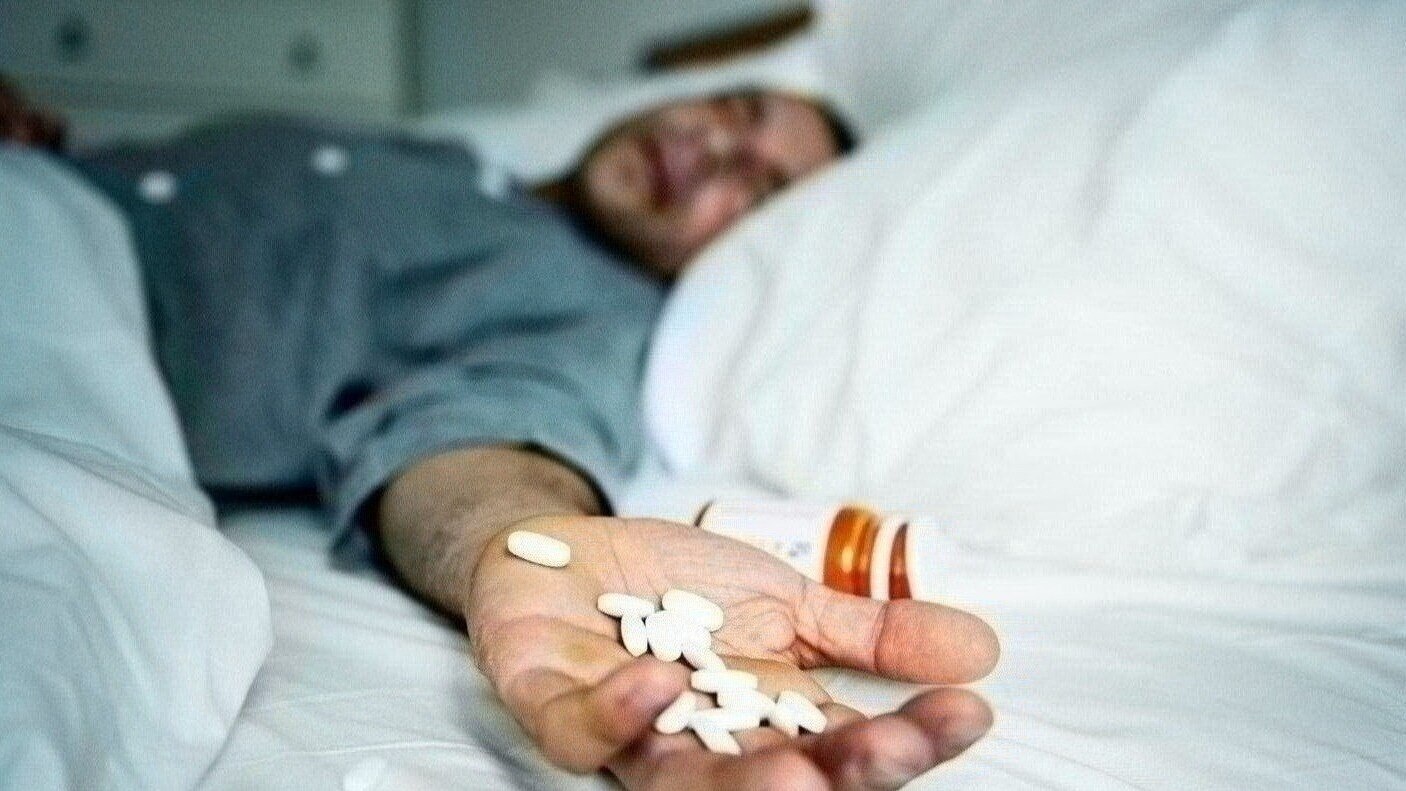
Unconsciousness, slow or difficult breathing, suspected overdose, chest pain, seizures, severe confusion, delirium, psychosis, suicidal intent, uncontrolled aggression, or serious injury requires emergency medical assessment—not rehab admission paperwork or a next-day counselling appointment. In India, call 112 and follow the operator’s instructions; do not wait for a scheduled visit.
- Keep the person with you if it is safe.
- Do not give food, drink, alcohol, or unprescribed medicine to an unconscious or confused person.
- Tell emergency responders what was taken, how much, when, and whether alcohol or medicines were also used.
Withdrawal risk depends on the substance and the person’s history. Alcohol withdrawal can become dangerous within 6–48 hours after the last drink. Seizures often occur in that period, while delirium tremens most often appears around 48–72 hours. Previous withdrawal seizures or delirium, heavy prolonged drinking, medical illness, and sedative use increase concern.
| Substance | Main emergency concern | Safer response |
|---|---|---|
| Alcohol | Seizures and delirium tremens | Seek urgent medical assessment; do not wait for admission |
| Benzodiazepines | Seizures, delirium, severe anxiety, unstable vital signs | Do not stop abruptly; obtain an individualized medical taper plan |
| Opioids | Dehydration and relapse; overdose after tolerance falls | Arrange medical planning and never return to the former dose after detox |
Opioid withdrawal is usually less likely to cause seizures or delirium, but it still needs medical planning. “24 by 7 drug rehab services” does not guarantee resuscitation or hospital-level care; emergency symptoms belong in emergency care.
What Happens During a Safe Addiction-Treatment Intake
1. The person using substances, a spouse, parent, adult child, or another concerned family member can request an assessment. Family information helps clinicians identify use patterns and withdrawal risks, but confidentiality still applies; treatment decisions require the patient’s consent when legally and clinically appropriate.
2. During the call, provide the substance name, amount, frequency, route, and exact time of last use. Report current symptoms, previous withdrawal seizures or delirium, prescribed medicines, medical conditions, psychiatric history, allergies, and any overdose history. Do not promise a rapid “cure” or hide benzodiazepine use; regular use must not stop abruptly without medical guidance.
3. Ask how triage works before travelling. Unconsciousness, slow or difficult breathing, chest pain, seizures, severe confusion, psychosis, suicidal intent, uncontrolled aggression, serious injury, or suspected overdose require hospital emergency care, not routine admission paperwork. Unstable withdrawal needs prompt medical assessment.
4. Bring photo identification, prescription strips or medicine containers, medical reports, laboratory results, and insurance or payment documents when relevant. Add a written medicine list and a trusted contact’s details.
5. The outcome depends on the assessment, not on an advertisement for drug rehab services in Nashik. A medically stable person may receive a planned residential admission, outpatient appointment, or day-treatment date; someone needing continuous monitoring should not wait for scheduled counselling.
Ask who will supervise overnight, how emergencies reach a hospital, and when the patient’s consent and confidentiality will be handled.
When Scheduled Addiction Treatment Is Safe—and What to Compare
Outpatient, day-treatment, or scheduled residential admission is reasonable when the person is medically stable, has no history of seizures or delirium during withdrawal, has a safe supervised place to stay, can attend reliably, and can reach emergency care quickly. Choose based on recent consumption, previous withdrawal, co-occurring illness, home support, and transport—not price or convenience.
| Option | What it means | When it applies |
|---|---|---|
| Outpatient | Scheduled visits with supervised home recovery | Stable symptoms, reliable attendance, safe supervision |
| Day-treatment | Several hours of structured care, with evenings at home | Needs intensive support but not overnight monitoring |
| Scheduled residential | Planned admission with continuous living-site supervision | Needs separation from substances and structured support without hospital-level care |
Compare drug rehab services in Nashik by asking:
- Who provides qualified medical coverage, detox assessment, medication management, and emergency transfer?
- How often do counselling and family sessions occur, and are laboratory tests arranged?
- Does the plan include relapse prevention, discharge planning, and follow-up after treatment?
- For opioid-use disorder, are methadone or buprenorphine offered when clinically appropriate, or is there a documented referral?
- Does psychiatric assessment cover depression, bipolar disorder, psychosis, trauma, cognitive impairment, and suicidal risk?
“Detox completed” does not mean treatment is complete. Scheduled addiction treatment must address the substance-use pattern, physical and psychiatric conditions, relapse risks, and continuing care.
How to Verify a 24/7 Service in Nashik Before You Commit
Call the advertised number at 10 p.m., not only during office hours. Ask for the on-call clinician’s or nurse’s full name and qualification, who is physically present overnight, and whether that person can assess withdrawal immediately. Request written admission hours for weekdays, weekends, and public holidays.
Use this script when comparing 24 by 7 drug rehab services and other drug rehab services in Nashik:
- Which substances and age groups do you treat?
- Can you manage alcohol withdrawal or benzodiazepine withdrawal, and who prescribes medicines?
- What happens if a patient has a seizure, respiratory depression, severe confusion, or suspected overdose?
- Which hospital receives emergency transfers, and who accompanies the patient?
- What laboratory tests are arranged, and how long does follow-up continue after discharge?
| Claim | Evidence to request | Warning sign |
|---|---|---|
| 24-hour admission | Written intake hours and overnight contact | “Call tomorrow” |
| Round the clock addiction care | Named staff physically present after hours | Only a voicemail or security guard |
| Medical detox | Prescriber, monitoring plan, and hospital-transfer protocol | Counselling offered without withdrawal assessment |
| Continuing treatment | Discharge plan, appointments, and family follow-up | “Detox completed” with no next step |
If Aatma De-Addiction & Rehabilitation Center confirms its actual overnight staffing, intake process, emergency referral plan, and scope of care, compare those answers directly with other centres. If seizure or breathing problems occur, call 112 rather than waiting for admission. Judge the service by specific commitments, not the words “24/7” in an advertisement.
Related services
alcohol and drugs deaddiction centre alcohol and drugs deaddiction centre At Aatma De-addiction Center, Nashik, we specialize in providing comprehensive care for individuals battling alcohol and drug addiction. |
De-addiction Center "Aatma De-addiction and Rehabilitation Center" It became evident that today’s young generation is increasingly falling prey to the grip of addictive... View service → |
Frequently asked questions
What do 24/7 drug rehab services mean in practice?
They describe continuous access or supervision, not identical care at every hour. Ask whether overnight staff, nursing assessments, doctors, medicines, and emergency transfers are available.
When does someone need emergency medical care instead of rehab admission?
Seek emergency care for unconsciousness, slow or stopped breathing, blue or grey lips, seizures, severe confusion, chest pain, or suspected overdose. Stabilisation comes before rehab intake.
When is scheduled addiction treatment safe?
Scheduled treatment fits someone who is medically stable, has no immediate withdrawal danger, and can reach assessment promptly with reliable family or professional support.
How can you verify a 24/7 rehab service in Nashik?
Ask for the centre’s registration or licence details, the names and qualifications of on-site staff, overnight arrangements, emergency referral procedure, medicines policy, fees, and discharge or follow-up plan.
Related service
vyasanmukti kendra व्यसनमुक्ति केंद्र नाशिक आत्मा व्यसनमुक्ती केंद्र, नाशिक आमचे आत्मा व्यसनमुक्ती केंद्र, नाशिक, हे दारू व अमली पदार्थांच्या व्यसनातून मुक्त होण्यासाठी उत्कृष्ट आणि प्रभावी... |