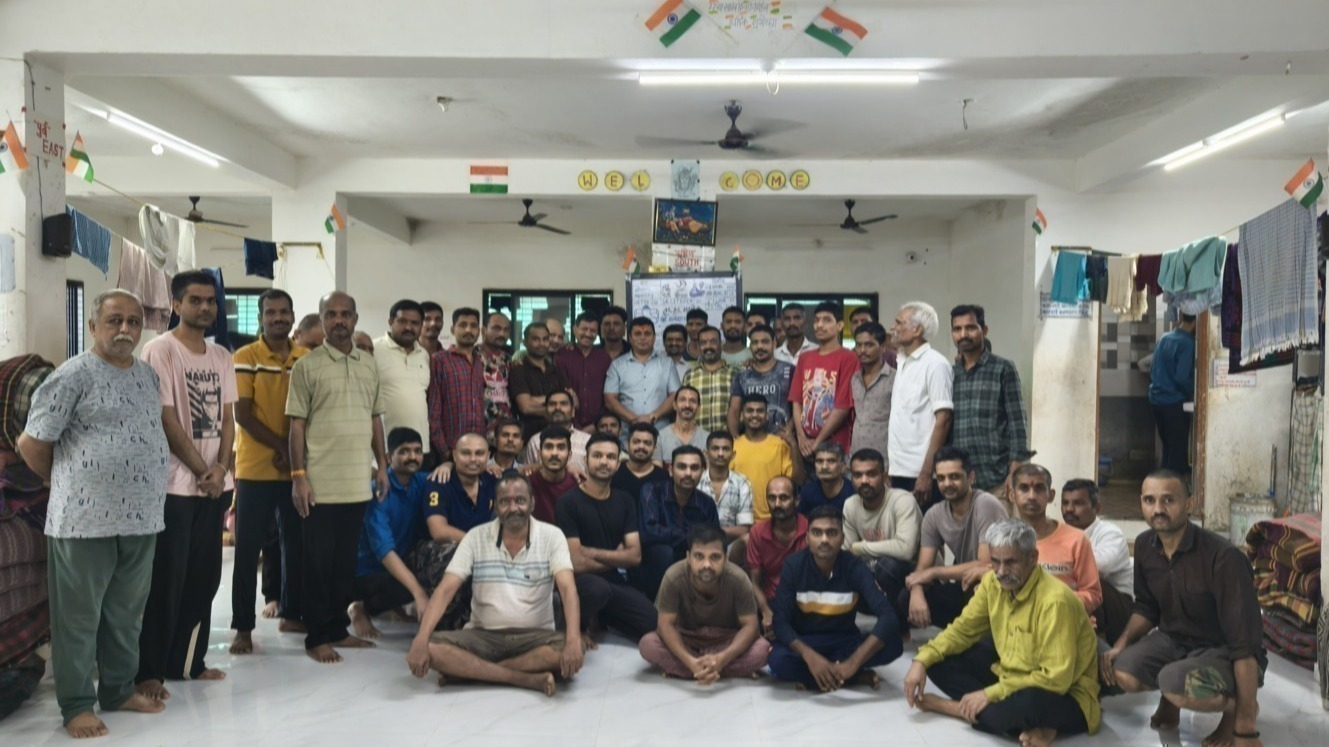
Choosing a Drug Rehabilitation Center in Nashik is an important decision for individuals and families dealing with substance dependence. Treatment programmes can differ considerably in their approach, level of supervision, residential facilities, counseling structure and continuing support. Understanding what to evaluate can make the selection process more practical and less overwhelming.
A rehabilitation centre should not be chosen only because it is nearby or affordable. The more important question is whether its programme matches the person's actual recovery needs.
Start With a Proper Assessment
Different substances can create different patterns of dependence and withdrawal. The person's physical health, duration of substance use, previous treatment history and emotional condition also influence the type of care required.
Before admission, ask whether the centre conducts an assessment covering:
- Substance-use history
- Physical health
- Withdrawal risks
- Previous attempts to stop
- Emotional and behavioural concerns
- Current medications
- Family circumstances
- Relapse history
An assessment helps determine whether detoxification, residential rehabilitation or another treatment approach may be appropriate.
Understand How Detox Is Managed
Families frequently assume that rehabilitation and detoxification are interchangeable. They are not.
Detox focuses primarily on managing the initial physical effects of stopping alcohol or drugs. Rehabilitation addresses behavioural patterns, triggers, coping skills and relapse prevention.
When comparing a drug detox center in Nashik, understand what monitoring is available and how individuals transition from detoxification into the rehabilitation phase.
Examine the Counseling Programme
Counseling should be a meaningful component of addiction treatment rather than an occasional activity.
Ask how individual counseling, group sessions and substance abuse counseling are incorporated into the programme. Individuals should have opportunities to understand triggers, cravings and behaviours associated with substance use.
Family counseling can also be valuable because addiction frequently affects relationships throughout the household.
Consider Residential Structure
An inpatient drug rehabilitation center provides separation from environments where substances and familiar triggers may be easily accessible.
A structured residential setting can be particularly useful when previous attempts to quit at home have repeatedly failed or when the person's daily environment contributes to substance use.
Families should understand the centre's routine, supervision, accommodation arrangements and approach to therapeutic activities.
Ask About Life After Discharge
A strong rehabilitation programme should consider what happens when residential care ends.
Returning home can expose individuals to workplace pressure, social circles, relationship problems and environments connected with previous substance use. Aftercare programmes can help bridge the gap between structured rehabilitation and independent recovery.
Aatma De-Addiction and Rehabilitation Center in Nashik provides structured support for individuals and families exploring addiction recovery options. People across Nashik and Maharashtra comparing rehabilitation programmes can benefit from focusing on treatment quality, individualized planning, counseling and continuing care rather than relying on a single factor.
The right rehabilitation centre should help the individual understand addiction, develop practical coping skills and prepare for recovery outside the protected treatment environment.