Relapse means returning to alcohol or drug use after a period of reduced or stopped use, and the first priority is safety rather than blame. You will be able to identify an emergency, organise the first 24 hours, choose the right level of care in Nashik and judge whether a recovery programme offers genuine follow-up after the crisis.
Key takeaways
- Treat relapse as a health warning, not a moral failure.
- Call emergency services for unconsciousness, slowed breathing, seizures, or suspected overdose.
- Ask programmes about medical supervision, withdrawal care, family involvement, and aftercare.
- Choose continuing support that includes triggers, medicines, peer groups, and follow-up contact.
Relapse or lapse: what must happen in the first minutes
A lapse is one episode of alcohol or drug use after reduced or stopped use; sustained hazardous use means continuing, escalating or repeatedly using despite danger. Either requires reassessment, not shame. Reduced tolerance after abstinence makes a previously tolerated dose dangerous, so relapse help in Nashik must include overdose education and rapid treatment contact.
| Lapse | One episode followed by stopping or seeking help | Contact the treating clinician, assess triggers and increase support |
|---|---|---|
| Sustained hazardous use | Ongoing or repeated use, escalating risk, or inability to stop | Arrange urgent clinical assessment and supervised care |
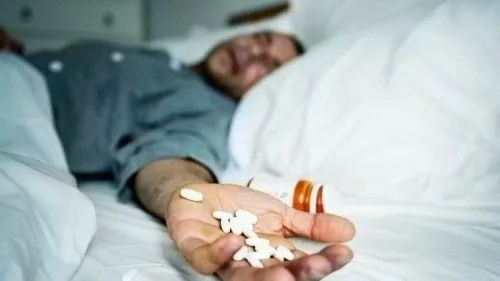
| Overdose or acute crisis | Dangerous symptoms after use, withdrawal or self-harm risk | Call 112 and do not wait for a centre’s intake call |
- Call 112 for unconsciousness, slow or stopped breathing, blue or grey lips, choking or gurgling, seizure, severe confusion, chest pain, suspected overdose or immediate suicide risk.
- Do not leave the person alone, and do not let them drive. Move away alcohol, drugs, keys and other immediate hazards without starting a physical confrontation.
- For suspected opioid overdose, give naloxone if it is available and you are trained to use it. If the person is breathing, place them in the recovery position; call 112 even if they wake, because naloxone can wear off and repeat doses or hospital care may be needed.
- Once immediate danger is addressed, record what was taken and when, then contact the treating clinician or recovery team. Relapse is a signal to reassess treatment, not proof of moral failure or treatment failure.
A practical first-24-hours plan after alcohol or drug use
Once immediate danger has been checked, make the next 24 hours controlled and supervised. Do not try to punish, interrogate or detoxify the person at home without medical guidance.
- Secure alcohol, drugs, paraphernalia, vehicle keys and money used to obtain substances. Do this without wrestling, blocking exits or provoking a confrontation.
- Write down what was taken, the estimated amount, route of use and time taken. Record other medicines, alcohol or substances involved.
- Call the treating clinician, recovery team or addiction service and arrange supervised care. Ask specifically about intoxication, withdrawal monitoring and the next appointment.
- Move the person away from dealers, using friends, parties and other high-risk places. Do not leave them alone or allow driving.
- Say, “You are safe; we need medical advice now.” Avoid threats, arguments, humiliation and major decisions while intoxication continues.
- Set immediate boundaries: no driving, violence, unsupervised contact with children, access to substance-purchase money or further substance use.
- Delay discharge, employment, relationship and financial decisions until medical stability returns.
When seeking addiction recovery help after relapse in Nashik, give the service your written observations and ask for instructions for the next night, including what withdrawal signs require hospital care. Family involvement can improve planning, but the patient’s consent and confidentiality still matter. Families need practical crisis instructions, not responsibility for unsupervised detoxification.
Which level of care fits the relapse risk?
The right level depends on danger, withdrawal risk and the safety of the home—not simply on whether relapse occurred. Emergency hospital assessment comes first for overdose, severe injury, seizures, delirium, breathing problems, unstable vital signs, severe confusion, psychosis or immediate suicide risk.
| Care level | What it provides | When it fits |
|---|---|---|
| Emergency hospital care | Stabilisation, urgent medical tests and monitoring | Overdose, breathing problems, seizures, delirium, serious injury or immediate danger |
| Medically supervised detoxification | Monitored withdrawal treatment and prescribed medicines | Heavy or dependent alcohol use, or withdrawal risk after stopping |
| Outpatient counselling | Scheduled therapy and recovery follow-up | Medically stable person with reliable supervision and a safe home |
| Residential relapse support | 24-hour structure, counselling and relapse planning | Repeated relapse, unsafe routines or need for continuous supervision |
| Psychiatric evaluation | Assessment and treatment of mental-health risks | Depression, bipolar disorder, trauma, psychosis or suicidal thinking |
| Peer-support meetings | Connection, accountability and shared experience | Additional support after immediate medical risks are addressed |
Abruptly stopping heavy or dependent alcohol use can cause tremor, sweating, nausea, insomnia, hallucinations, seizures and delirium tremens. Severe withdrawal needs medically supervised detoxification, not an ordinary counselling appointment or home detox.
A nasha mukti kendra relapse support assessment should check intoxication, withdrawal risk, medical illness, pregnancy, suicidal thoughts, psychosis, repeated relapse and whether the home is safe. Peer meetings add connection but do not replace emergency or medical care; residential admission is not automatically safer than hospital treatment or supervised detoxification.
How to compare Nashik relapse programmes before admission
Do not choose the best nasha mukti kendra for relapse help in Nashik by “100% cure” or “permanent recovery” claims. Compare clinical capacity, emergency arrangements and the plan for the next relapse before admission.
| Question | Acceptable answer | Warning sign |
|---|---|---|
| Medical responsibility | A named doctor, psychiatrist or qualified addiction physician covers overnight care | No clinician on call |
| New-admission assessment | A psychiatrist or addiction physician evaluates every admission | Counselling begins without medical assessment |
| Withdrawal care | Medicines are prescribed, documented and monitored; severe withdrawal receives supervised detoxification or hospital transfer | “Detox” means observation without medical cover |
| Emergency pathway | The centre names the hospital receiving overdose, seizure, delirium or psychiatric emergencies | Staff cannot identify the receiving hospital |
| Medication options | Buprenorphine or methadone are considered for opioid-use disorder; alcohol-use medicines are selected after reviewing liver disease, kidney disease, pregnancy and opioid use | One identical package is offered to everyone |
| Crisis planning | Staff explain what happens after leaving, suicidal thoughts, another relapse or a need for transfer | Discharge or punishment is the only response |
Ask who obtains informed consent, who can legally prescribe, and how the centre handles a person whose current risk exceeds residential care. Aatma De-Addiction & Rehabilitation Center is one Nashik option to question against these standards, not a substitute for emergency treatment.
If the person is unconscious, breathing slowly, seizing, severely confused or suicidal, use emergency care first. The programme’s fit depends on confirmed capacity, lawful prescribing and the person’s immediate medical and psychiatric risk.
What effective relapse support must continue after the crisis
A useful test of care after medical stability is whether it reduces the next relapse risk, not merely whether it completes admission. Sustained nasha mukti kendra relapse support should produce a written continuing-care plan with:
1. The name of the follow-up clinician, appointment dates, medication plan, and a rapid route back to care after another lapse.
2. Family or peer supports, trigger and craving strategies, and urine or other monitoring when clinically appropriate.
3. A reassessment of housing, exposure to alcohol or drugs, medication adherence, sleep, trauma, and co-occurring psychiatric illness.
Medication is evidence-based care for some disorders. Buprenorphine and methadone are maintenance treatments for opioid-use disorder; detoxification alone carries a high risk of return to use and overdose. Alcohol-use-disorder medicines require a medical review that considers liver disease, kidney disease, pregnancy, opioid use, and other contraindications rather than applying a generic package.
Ask how confidentiality and patient consent will work when family members participate. Family involvement without consent can damage trust.
A sound plan does not automatically punish or discharge someone after another lapse. It teaches overdose prevention, including the danger of taking a previously tolerated dose after abstinence, and keeps re-entry to treatment practical. When comparing addiction recovery help after relapse in Nashik, these written details reveal clinical capacity more reliably than “100% cure” claims.
Frequently asked questions
What should happen in the first minutes after a relapse?
Check breathing and responsiveness, stay with the person, call emergency services for overdose signs, and avoid leaving them alone or giving more substances.
What should the first 24 hours after alcohol or drug use include?
Arrange an addiction and medical assessment, record what was taken and when, remove access to substances, and follow professional advice about withdrawal monitoring.
Which level of care fits a high relapse risk?
A clinician should assess whether outpatient care, intensive outpatient treatment, residential rehabilitation, or medically supervised withdrawal is safest.
How can you compare relapse programmes in Nashik?
Ask about qualified clinical staff, withdrawal protocols, emergency arrangements, personalised treatment, family support, written fees, and continuing care after discharge.