Choosing care for alcohol dependence involves more than finding a bed or asking for a detox package. You need to understand the first assessment, withdrawal risks, treatment setting, rehabilitation work and follow-up so you can ask a provider specific questions and choose a safe level of care.
Key takeaways
- Request a clinical assessment before agreeing to residential admission.
- Ask how withdrawal symptoms, seizures, and medical emergencies are managed.
- Compare staffing, therapy, family support, and written discharge plans.
- Confirm follow-up appointments, relapse support, and emergency contacts before discharge.
What happens after your first call and assessment?
The first call should lead to a clinical assessment, not an automatic residential admission. Ask what “alcohol de addiction treatment what is included in pune” covers before agreeing to any programme.
1. During the call, the provider should record how much and how often you drink, when you had your last drink, and whether past withdrawal caused tremors, seizures or delirium. They should also ask about other drugs, physical illnesses, medicines, nutrition, sleep, housing, family support, depression, anxiety, psychosis, suicidal thoughts and immediate safety.
2. The assessment should establish whether admission is voluntary and whether you can understand information and participate in treatment decisions. Severe withdrawal risk, confusion, suicidal intent or another emergency requires urgent medical evaluation rather than routine admission.
3. The findings determine the level of care: medically supervised withdrawal, outpatient addiction-psychiatry care, intensive day treatment or residential rehabilitation. Outpatient care suits someone who is medically and psychiatrically stable, has a safe home and can attend reliably.
Residential care becomes safer when withdrawal or relapse risk is high, housing is unsafe, support is poor or previous treatment repeatedly failed.
4. Before admission, request a written recommendation stating the level of care, expected duration, admission rules and emergency-transfer arrangements. Alcohol de addiction treatment in pune should explain why the proposed setting fits your risks, not sell a fixed stay simply because you are seeking help for the first time.
How is alcohol withdrawal managed safely?
Do not stop heavy drinking suddenly without medical advice. A sharp reduction or complete stop can trigger tremor, sweating, anxiety, nausea, insomnia, hallucinations, seizures or delirium, with higher risk if you have previously had a withdrawal seizure or delirium.
Severe confusion, hallucinations, a seizure, fever, breathing difficulty, fainting or unstable vital signs require emergency hospital care, not an unmonitored home detox. Call emergency services or go to the nearest hospital.
A supervised detoxification plan includes:
- Repeated checks of pulse, blood pressure, temperature, breathing, alertness and hydration.
- Observation for seizures, delirium, worsening confusion and other complications.
- Clinical decisions about medication, fluids, nutrition and sleep support.
- A review of sleeping tablets, opioid medicines, anti-anxiety drugs and other sedatives.
- Thiamine for heavy alcohol use, poor nutrition or suspected deficiency. Suspected Wernicke encephalopathy needs urgent parenteral thiamine, not only an oral multivitamin.
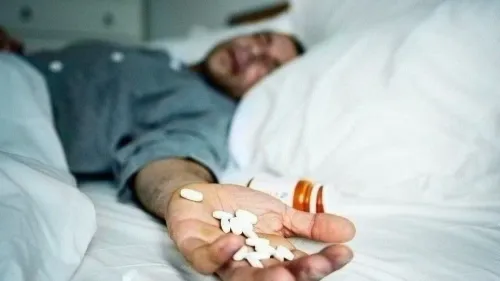
Benzodiazepines are commonly used for significant withdrawal, but a qualified clinician must individualize the dose and monitor its effect. Too much can cause oversedation, breathing problems and falls; combining it with alcohol, opioids or other sedatives increases the danger.
This is why alcohol addiction help in pune should begin with clinical supervision when withdrawal risk is present. A clinician can decide whether hospital detox, monitored outpatient care or another setting is safe instead of leaving you to manage a potentially life-threatening process alone.
What turns detox into rehabilitation?
Detox becomes rehabilitation when treatment addresses cravings, triggers, drinking habits and relapse risk—not only tremor, sweating or other withdrawal symptoms. Completing detox does not teach you how to respond to stress, refuse alcohol or recover after a lapse.
Ask the provider:
- Whether individual counselling, group sessions, family meetings, motivational interviewing, cognitive behavioural strategies, coping plans and relapse-prevention planning are available.
- How each session is recorded, how goals are reviewed, and what support follows a lapse rather than automatic discharge.
- Who provides continuing medical review after detox. After assessment, naltrexone or acamprosate may support relapse prevention for suitable patients; disulfiram is a supervised deterrent for selected, motivated patients, not a cure.
- How opioid use, liver disease, kidney disease, pregnancy and other medicines affect prescribing. Naltrexone can interfere with opioid pain medicines or opioid treatment, while acamprosate is unsuitable in severe renal impairment.
- Whether psychiatric rehabilitation addresses depression, anxiety, trauma, bipolar symptoms, psychosis, cognitive impairment and suicidal thinking alongside alcohol treatment.
- How family work covers withdrawal warning signs, medication supervision, enabling, conflict, consent and confidentiality. Relatives should not receive private information without permission unless immediate safety or law requires disclosure.
A complete alcohol rehabilitation in Pune plan also names follow-up appointments, warning signs and emergency contacts. Ask for these details in writing before assuming a detox stay is treatment completed.
How can you compare a Pune provider before admission?
Compare the provider’s clinical capability, safeguards and follow-up plan—not its accommodation or advertising.
| Option | What to verify | When it fits |
|---|---|---|
| Residential centre | 24-hour supervision, emergency transfer, documented clinical schedule and accommodation rules | Unsafe home, high withdrawal risk or repeated treatment failure |
| Outpatient clinic | Scheduled medical and psychiatric appointments, reliable attendance and a safe home | Medically and psychiatrically stable person |
| Day programme | Daily treatment hours, transport arrangements and evening safety plan | Needs structured support but can sleep safely at home |
| Nasha mukti kendra in Pune | Whether the label is backed by medical cover, prescribing and emergency arrangements | Choose only after confirming those services |
Ask these questions before paying or signing:
- Who conducts the physical and psychiatric assessments? Are findings recorded?
- Which qualified clinician prescribes medicines, and who provides 24-hour medical cover?
- Where is a person transferred after a seizure, delirium, severe illness or psychiatric emergency?
- What happens each day, how many hours involve clinicians, and what are the accommodation and visiting rules?
- How are confidentiality, complaints and family communication handled?
- Is admission voluntary and documented? Are restraints or isolation used? What conduct triggers discharge?
- What are the expected length of stay, discharge criteria and aftercare plan? Request each in writing.
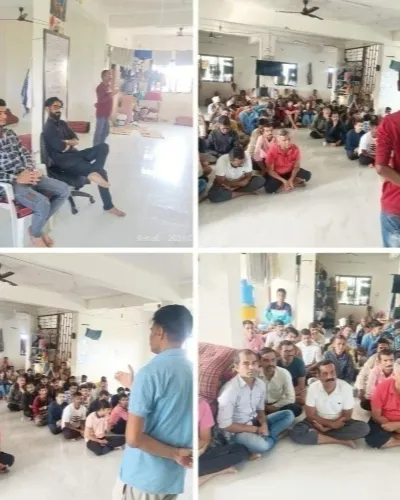
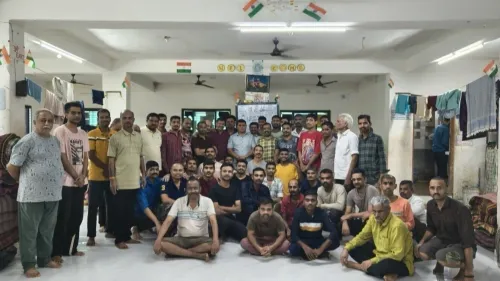
Aatma De-Addiction & Rehabilitation Center can be compared as a rehabilitation-care option, but verify its current location, medical cover, admission process and Pune referral or coordination arrangements rather than assume a Nashik-based centre provides every Pune service. Be cautious about guaranteed permanent cures or fixed short detox promises in alcohol de addiction treatment in Pune.
Related services
alcohol and drugs deaddiction centre alcohol and drugs deaddiction centre At Aatma De-addiction Center, Nashik, we specialize in providing comprehensive care for individuals battling alcohol and drug addiction. |
De-addiction Center "Aatma De-addiction and Rehabilitation Center" It became evident that today’s young generation is increasingly falling prey to the grip of addictive... View service → |
What should happen after discharge?
Discharge should start the next phase of treatment, not simply mark the date you leave. A written plan must name your next appointment, prescribing clinician, counselling schedule, medication instructions, warning signs and emergency contact.
| Setting | Continuing care | What to confirm |
|---|---|---|
| Outpatient | Psychiatrist or physician review, therapy and medication checks | Follow-up is scheduled before discharge |
| Day treatment | Structured counselling, trigger planning and group support | Attendance plan for work and transport |
| Residential | Step-down care, mutual-help participation and family planning | Rapid re-entry after a lapse |
Aftercare may include individual or group therapy, mutual-help meetings, medication review, trigger planning and rapid return to treatment if drinking resumes. Ask how progress is measured, who answers outside appointment hours and whether appointments are actively booked rather than left to memory.
The plan must cover alcohol-free housing, work or family pressure, transport, sleep, nutrition and access to support. Without those arrangements, a safe detox can be followed by an unsafe return home.
Family members need instructions for renewed drinking, withdrawal symptoms, severe confusion, seizures and suicidal thinking. Confidentiality still applies: relatives receive information with the patient’s permission unless immediate safety or law requires disclosure. Family work is part of responsible alcohol rehabilitation in Pune, not automatic access to private records.
When seeking alcohol addiction help in Pune, choose the least restrictive setting that is medically and psychiatrically safe, continues treatment beyond detox and provides documented aftercare. That standard is more useful than accommodation, promises or a short advertised stay.
Frequently asked questions
What happens after your first call and assessment?
A provider should gather your drinking history, withdrawal symptoms, medical conditions, medicines, mental-health concerns, and home support before recommending outpatient care, detox, or residential treatment.
How is alcohol withdrawal managed safely?
Ask who monitors withdrawal, how often vital signs are checked, which doctor is available, and how the centre handles seizures, delirium, severe vomiting, or other emergencies.
What turns detox into rehabilitation?
Rehabilitation adds structured counselling, relapse-prevention skills, psychiatric care when needed, family involvement, daily routines, and a continuing-care plan after detox.
How can you compare a Pune provider before admission?
Compare assessment procedures, medical staffing, withdrawal protocols, therapy schedules, accommodation rules, family access, fees, documentation, and emergency-transfer arrangements.
What should happen after discharge?
You should leave with medicines and appointments explained, a written relapse-prevention plan, follow-up dates, family guidance, emergency contacts, and options for peer or outpatient support.
Related service
vyasanmukti kendra व्यसनमुक्ति केंद्र नाशिक आत्मा व्यसनमुक्ती केंद्र, नाशिक आमचे आत्मा व्यसनमुक्ती केंद्र, नाशिक, हे दारू व अमली पदार्थांच्या व्यसनातून मुक्त होण्यासाठी उत्कृष्ट आणि प्रभावी... |