Choosing between regular counseling and a residential program depends on medical risk, home safety, relapse history, and how much structure the person can sustain. By the end, you will know which questions to ask, what each level of care involves, and which warning signs require urgent medical assessment instead of counseling alone.
Key takeaways
- Choose residential care when withdrawal, relapse, or home safety requires supervision.
- Choose counseling when you are medically stable and can maintain a safe home routine.
- Ask providers about withdrawal support, staffing, relapse planning, and family involvement.
- Request fees, daily schedules, discharge plans, and emergency procedures in writing.
Counseling and Residential Care Solve Different Problems
Neither option is inherently stronger: the safer choice depends on medical risk, home conditions, relapse history, and the supervision you need.
| Option | Supervision and structure | Privacy, family, and time |
|---|---|---|
| Outpatient drug counseling in Pune | Scheduled individual, group, family, and review sessions; you manage the hours between visits | You keep living at home, working, or studying, with fewer facility disclosures; family can join planned sessions |
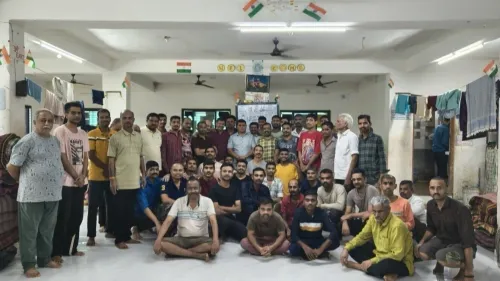
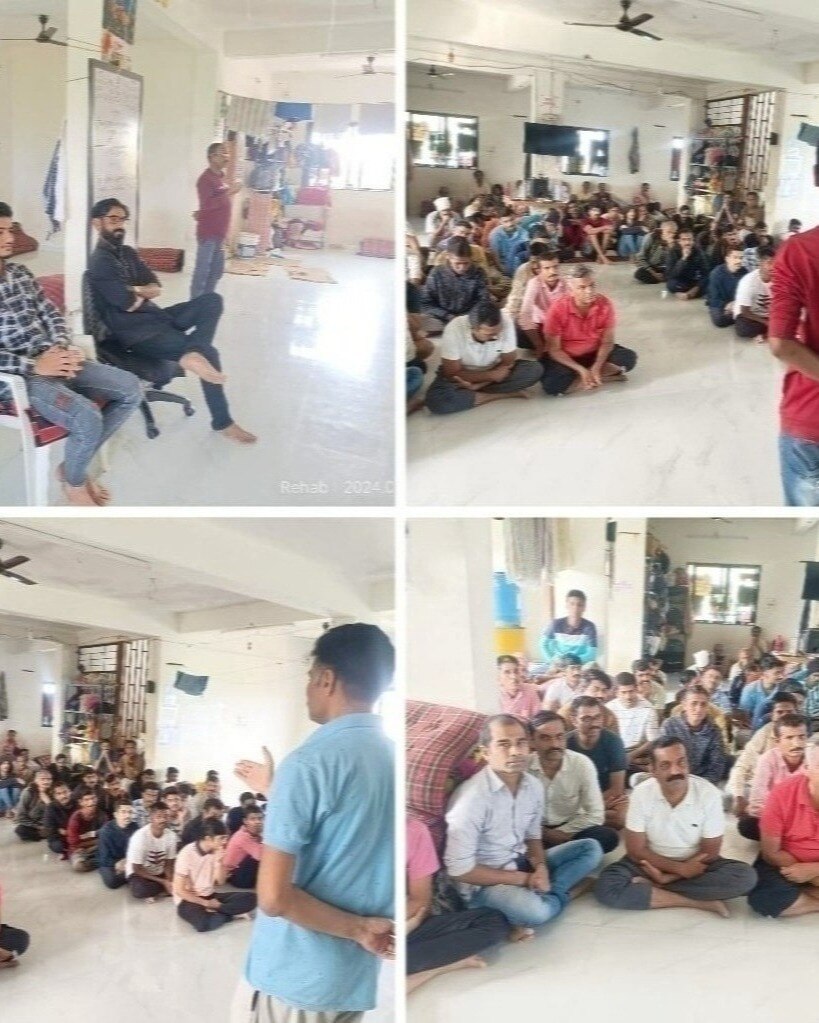
| Residential addiction treatment in Pune | Continuous observation, planned activities, controlled medicine access, and separation from substances and high-risk contacts | Communal living protects recovery time but limits visitors, phones, and movement; you leave home and arrange work or childcare |
Choose outpatient care when you are medically stable, have a substance-free home, reliable transport, and enough privacy to avoid use between appointments. Counseling does not provide medical monitoring during withdrawal, so it is not a substitute for withdrawal management.
Residential care is more defensible after repeated treatment dropout, unsafe housing, frequent intoxication, severe impairment, or a need for round-the-clock support. Residential accommodation is not automatically medical treatment; ask who handles emergencies and how medicines are administered.
Before deciding, check:
- Can you remain safe between appointments without using?
- Can you attend every session and reach the provider reliably?
- Does your home contain drugs, alcohol, violence, or high-risk contacts?
- Can you accept house rules, communal living, and limits on phones or visitors?
- Does the program provide a written discharge and follow-up plan?
A longer stay also carries costs: lost work or study time, childcare arrangements, travel, and reduced contact with home.
Match the Level of Care to Risk, Home, and Relapse History
Choose outpatient counseling, day treatment, or residential treatment in Pune according to withdrawal risk, home safety, and relapse history—not because one level is inherently stronger.
1. Start with a clinician-led assessment. Cover the substance involved, amount and frequency of use, last use, previous withdrawal, overdose history, physical illness, psychiatric symptoms, suicidal thinking, housing, family support, work obligations, and prior treatment attempts. Ask whether alcohol, opioids, benzodiazepines, stimulants, cannabis, or multiple substances are involved.
2. Choose outpatient drug addiction counseling services when withdrawal risk is low, you can attend reliably, and someone can help keep your home safe and substance-free. Weekly individual, group, or family sessions preserve work and family routines, but they leave you exposed to triggers between appointments.
3. Choose day treatment or intensive outpatient care when weekly appointments are too light but home remains safe. Several hours of structured therapy and monitoring provide more accountability without overnight residence.
Residential treatment fits when you cannot stop safely at home, repeatedly leave treatment, face violence or drug access at home, cannot manage basic routines, or need separation from triggers.
4. Treat withdrawal and emergencies separately from counseling. Severe alcohol tremor, confusion, hallucinations, fever, seizures, or unstable vital signs require urgent medical care; sedative withdrawal also needs medical assessment. Opioid withdrawal is distressing, and methadone or buprenorphine may be indicated, so counseling alone is not equivalent.
Overdose, psychosis, severe intoxication, or suicidal thoughts require emergency assessment.
What Drug Counseling in Pune Looks Like Week to Week
The first appointment for drug counseling in Pune should be private and include a substance-use history, physical and psychiatric screening, medication review, risk assessment, and agreed goals. Ask how the addiction counseling center in Pune separates these patterns:
| Substance | Why the distinction matters |
|---|---|
| Alcohol | Withdrawal can become medically dangerous |
| Opioids | Medication such as buprenorphine or methadone may be appropriate |
| Benzodiazepines | Withdrawal requires medical assessment |
| Cannabis | Triggers, sleep, anxiety, and motivation need review |
| Stimulants | Cravings, sleep loss, mood, and heart symptoms need attention |
| Multiple substances | Combined withdrawal and medication risks change the plan |
Week to week, individual sessions may use motivational interviewing or cognitive-behavioral techniques to examine triggers, cravings, thoughts, and practical coping steps. Group counseling adds peer support and rehearsal of refusal or recovery skills.
Family sessions should cover responses to intoxication, withdrawal, overdose risk, boundaries, and communication without humiliation or confrontation. Confirm confidentiality and obtain your consent before relatives receive information.
Your relapse-prevention plan should name warning signs, high-risk places, emergency contacts, medication options, and steps after a lapse. Progress reviews should record attendance, cravings, sleep, daily functioning, substance use, toxicology results when used, and changes to the plan.
Toxicology should guide care, not punish you; a result alone does not prove impairment or recovery. Continuing-care appointments maintain support after formal sessions end.
What to Check Before Entering a Residential Program
Before paying for residential treatment in Pune, require written answers covering admission, overnight safety, daily life, and discharge.
| Check | Ask for | Why it matters |
|---|---|---|
| Clinician assessment | Substance, amount, last use, withdrawal, overdose, medical and psychiatric risks | Determines the right level of care |
| Withdrawal plan | Named medicines, monitoring, escalation, and hospital transfer | Prevents unsafe detoxification |
| Emergency cover | Who is medically present overnight and which hospital receives emergencies | Clarifies response to seizures, delirium, overdose, severe intoxication, or self-harm risk |
| Medication control | How prescribed medicines are stored, administered, and reviewed | Prevents missed doses, misuse, and unsafe changes |
Confirm that the program treats the specific substance combination involved, including alcohol, opioids, benzodiazepines, stimulants, or cannabis. Request wake and sleep times, therapy frequency, groups, recreation, medical reviews, meals, and time outside the unit.
Ask for written rules on visitors, phones, leave, smoking, belongings, and contact with children. Check whether psychiatric assessment covers depression, bipolar disorder, psychosis, trauma, ADHD, and suicidal thinking, and how appropriate psychiatric medicines continue.
Do not accept “counseling” as the only description. Ask whether sessions use motivational interviewing, cognitive-behavioral therapy, contingency management, and structured family work.
Before discharge, require:
- A medication list, trigger and relapse plan, family guidance, follow-up appointments, overdose-prevention education, and rapid re-entry instructions.
- Guidance on recognizing respiratory depression and accessing naloxone where available.
Loss of opioid tolerance after detox makes the previous dose dangerous. A credible residential addiction treatment in Pune plan explains what happens after a lapse, not just during the stay.
Questions to Ask a Pune Provider Before You Commit
Compare providers by documented clinical coverage, emergency planning, treatment methods, and total cost—not by labels such as “rehab,” “de-addiction,” or “natural recovery.” Ask an addiction counseling center in Pune for written answers before you pay.
| Question | Acceptable answer | Warning sign |
|---|---|---|
| Assessment | A qualified clinician assesses substance use, last use, withdrawal, medical and psychiatric risk before admission | Sales intake only |
| Coverage | Named therapists, psychiatric coverage, medication management, and an overnight emergency responder | “Counseling” with no roles |
| Safety | A hospital-transfer plan for overdose, seizures, delirium, severe intoxication, or self-harm | No named hospital or night cover |
| Program | Substances treated; motivational interviewing, cognitive-behavioral therapy, contingency management, or structured family work; confidentiality and toxicology procedures | One fixed package with verbal promises |
Request written terms covering:
- Family participation, toxicology testing, visitor and phone restrictions, transport, and refund conditions.
- Expected length of stay, discharge appointments, continuing care, and every fee.
- What happens after a lapse: medication review, trigger analysis, overdose counseling, family support, and rapid re-entry.
Require an itemised estimate separating accommodation, medical reviews, medicines, investigations, emergency transfer, family sessions, and continuing care. Add leave from work or school, childcare, travel to Pune, lost income, limited home contact, and the cost of a stay ending before the agreed plan is complete.
Aatma De-Addiction & Rehabilitation Center is one provider you can question with this checklist; compare its answers with other facilities. For drug addiction counseling services in Pune, choose documented answers over reassuring descriptions.
Related services
alcohol and drugs deaddiction centre alcohol and drugs deaddiction centre At Aatma De-addiction Center, Nashik, we specialize in providing comprehensive care for individuals battling alcohol and drug addiction. |
De-addiction Center "Aatma De-addiction and Rehabilitation Center" It became evident that today’s young generation is increasingly falling prey to the grip of addictive... View service → |
Frequently asked questions
How do counseling and residential addiction treatment solve different problems?
Counseling provides scheduled therapy while you live at home; residential care adds accommodation, structured routines, and continuous supervision.
When is residential addiction treatment in Pune the safer choice?
Residential care fits higher medical risk, repeated relapse, unsafe home conditions, or a need for constant separation from drugs.
What does drug counseling in Pune look like week to week?
A program can include individual therapy, group sessions, trigger planning, progress reviews, family meetings, and follow-up support.
What should you check before entering a residential program?
Check withdrawal procedures, medical staffing, medication rules, visiting policies, room arrangements, fees, discharge planning, and emergency protocols.
What should you ask a Pune addiction counseling center before committing?
Ask about assessment, treatment goals, session frequency, qualifications, relapse response, family support, privacy, total cost, and continuing care.
Related service
vyasanmukti kendra व्यसनमुक्ति केंद्र नाशिक आत्मा व्यसनमुक्ती केंद्र, नाशिक आमचे आत्मा व्यसनमुक्ती केंद्र, नाशिक, हे दारू व अमली पदार्थांच्या व्यसनातून मुक्त होण्यासाठी उत्कृष्ट आणि प्रभावी... |