Choosing residential care requires more than finding an available bed. You need to know what counseling includes, whether round-the-clock treatment fits the person’s risks, and how care will continue after discharge. By the end, you can assess admission needs, compare facilities, and ask questions that reveal whether a program is safe and appropriate.
Key takeaways
- Request a clinical assessment before agreeing to residential admission.
- Choose a facility with medical oversight, structured counseling, and family involvement.
- Compare staffing, therapies, safety procedures, costs, and visiting rules.
- Leave with written relapse-prevention steps, referrals, and follow-up appointments.
What should happen before residential drug counseling admission?
A responsible program begins with a clinical assessment, not immediate admission. That assessment must decide whether residential care is suitable and whether substance use counseling in Pune is the right level of support.
1. Ask staff to record the substance, amount, route, frequency, last-use date, previous withdrawal symptoms, overdose history, medical conditions, current medicines, allergies, psychiatric symptoms, suicide risk, housing safety, and readiness to change. Ask who completes the assessment and whether a doctor or psychiatrist reviews it.
2. Confirm the recommended level of care: outpatient treatment, intensive outpatient treatment, residential rehabilitation, hospital withdrawal management, or psychiatric care. Acute psychosis, suicidal intent, severe intoxication, or another medical emergency requires hospital-level care rather than routine residential counseling.
3. Treat detoxification and counseling as separate services. Withdrawal management protects immediate medical safety; rehabilitation addresses dependence, behaviour, mental health, and relapse risk. Alcohol and benzodiazepine withdrawal can cause seizures or delirium, so qualified medical supervision and a written hospital-transfer plan are essential.
4. Before admission, request the written treatment plan, consent terms, emergency-contact process, medication policy, privacy rules, and transfer arrangements. Also ask about 24-hour supervision, urgent doctor or nurse access, ambulance availability, and procedures for suicide risk, violence, intoxication, and medical emergencies. A polished building or fixed stay length cannot replace these safeguards.
What does a normal day in residential addiction counseling include?
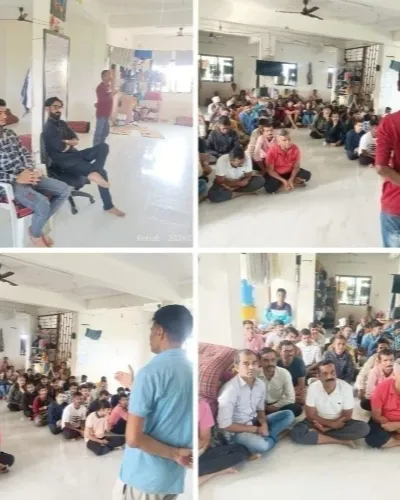
A normal day combines treatment, observation, and practical recovery work within a fixed schedule. After intake, staff review sleep, cravings, withdrawal symptoms, medicines, mood, and immediate safety concerns.
Individual counseling may use motivational interviewing or cognitive-behavioral therapy to examine drug use, ambivalence, triggers, and coping responses. Group sessions let residents practise craving management, refusal skills, emotional regulation, and problem-solving.
Check whether the programme includes:
- Group size, attendance requirements, and what happens after a missed session
- Family meetings covering communication, boundaries, enabling, unsafe conflict, overdose warning signs, and relatives’ responsibilities after discharge
- Consent and confidentiality rules for family participation
- Progress reviews that update goals, medicines, risk assessments, and the written care plan
- Relapse-prevention planning and preparation for follow-up care
Residential addiction counseling in Pune provides a 24-hour setting, temporary separation from dealers and drug-using peers, and attendance within the facility’s schedule. That structure can support early recovery, but it disrupts work, school, childcare, and family routines. Family visits or calls may be scheduled rather than spontaneous.
Unlike outpatient drug counseling in Pune, residential care controls the environment; it does not remove the need for treatment after discharge. Ask how staff handle missed sessions, intoxication, violence, and urgent medical symptoms, and who provides follow-up once the resident leaves.
Which addiction counseling benefits can residential care realistically deliver?
The main benefit is not a guaranteed cure; it is a protected period for learning and practising safer responses. Addiction counseling benefits in Pune include mapping triggers such as particular people, places, emotions, paydays, pain, and conflict, then rehearsing what to do before craving becomes action.
Useful counseling builds specific skills:
- Recognise craving patterns and delay acting on them.
- Contact a support person and use clear refusal language.
- Rehearse responses to high-risk situations.
- Repair communication and establish daily routines.
- Plan what to do after a lapse instead of hiding it.
Effective drug addiction counseling services for residential care in Pune may include motivational interviewing, cognitive-behavioral therapy, contingency management, family therapy, and peer-support approaches. Lectures, confrontation, moral persuasion, or unstructured meetings alone are not enough.
Residential counseling should screen for depression, anxiety, trauma, ADHD, psychosis, and suicidal thinking. Untreated conditions affect safety and recovery. For opioid-use disorder, ask a qualified clinician about appropriate medication treatment, including buprenorphine or methadone; counseling is not a substitute.
| Residential care | Outpatient care |
|---|---|
| 24-hour structure and temporary separation from drugs, dealers, and using peers | Treatment while you remain exposed to home, work, and community triggers |
| Scheduled attendance within the facility | Appointments fit around ordinary responsibilities |
| Family access follows consent and facility rules | Family contact is usually easier to arrange |
| Protected practice of new responses | Skills face real-world testing immediately |
| Requires discharge planning and continuing support | Still requires follow-up and relapse planning |
Family participation can strengthen recovery when the patient agrees; blame or forced disclosure damages trust. The value of residential care depends on what happens after the protected setting ends.
When is residential care the right fit, and how should you compare Pune facilities?
Residential care is most defensible when repeated relapse continues despite outpatient support, the person cannot remain abstinent or safe at home, drugs are available in the household, housing is unstable, family conflict is severe, or round-the-clock structure is needed. It is not automatically more effective than outpatient treatment.
Choose the setting that matches risk, medical needs, and daily support.
| Option | Main advantage | Main cost or limit |
|---|---|---|
| Residential | 24-hour supervision, separation from triggers, scheduled attendance | Disrupts work, school, childcare, family routines, and privacy |
| Outpatient | Treatment continues at home with fewer disruptions | Exposure to drugs, unsafe housing, conflict, or unreliable support can undermine recovery |
Before choosing substance use counseling in Pune, ask:
- Who conducts the assessment, and does a doctor or psychiatrist review substance use, withdrawal risk, medical conditions, suicide risk, and housing safety?
- Are counselors qualified, is a doctor and psychiatrist accessible, is a nurse available, and is supervision continuous for 24 hours?
- Can you see written withdrawal protocols, medication records, counseling frequency, group size, family-session arrangements, visitation rules, and privacy terms?
- What happens during intoxication, violence, suicidal crisis, or a medical emergency? Ask for hospital-transfer and ambulance arrangements and the suicide-prevention procedure.
- What are the discharge criteria, relapse follow-up process, grievance procedure, voluntary and involuntary admission rules, and restraint policy? Ask how rights-based requirements under India’s Mental Healthcare Act, 2017 are followed.
If you contact Aatma De-Addiction & Rehabilitation Center, confirm its current Pune-area assessment, admission, referral, and follow-up arrangements; a Pune search result does not prove the facility is in Pune. Building appearance and advertised stay length matter less than clinical coverage and transparent policies.
Related services
alcohol and drugs deaddiction centre alcohol and drugs deaddiction centre At Aatma De-addiction Center, Nashik, we specialize in providing comprehensive care for individuals battling alcohol and drug addiction. |
De-addiction Center "Aatma De-addiction and Rehabilitation Center" It became evident that today’s young generation is increasingly falling prey to the grip of addictive... View service → |
What should the discharge and aftercare plan contain?
Discharge planning starts before admission, not on the final day. Require a written plan that is reviewed with the patient and family, then updated as treatment and risks change.
1. Name the next counselor, doctor, psychiatrist, or medication provider, with appointment dates and phone numbers. Record crisis contacts, emergency instructions, confirmed housing, transport, and who will help the patient attend follow-up.
2. List drug-related people and places to avoid, plus specific responses to cravings, a lapse, suicidal thoughts, or renewed withdrawal. Include coping steps, who to call, and when to seek emergency care.
3. Teach family members overdose warning signs and emergency actions. After opioid abstinence, tolerance falls; a previously tolerated dose can cause fatal overdose. Ask about naloxone access and how to obtain it where legally and clinically available.
4. Arrange continuing support such as outpatient counseling, peer groups, family sessions, medication management, vocational help, and scheduled check-ins. Ask whether the facility contacts patients after discharge and records missed appointments.
Addiction counseling benefits in Pune include trigger identification, craving management, refusal skills, relationship repair, and routine-building—not a guaranteed cure. In substance use counseling in Pune, a relapse should trigger reassessment of triggers, medication, mental health, housing, and treatment intensity, not automatic punishment or discharge.
Claims such as “three months guaranteed” or “permanent cure” are warning signs. Strong residential care connects temporary environmental control with support in the patient’s actual home and community.
Frequently asked questions
What should happen before residential drug counseling admission?
A clinical assessment should review substance use, withdrawal risk, physical health, mental health, medications, family support, and whether residential care matches your needs.
What does a normal day in residential addiction counseling include?
A structured day can include health checks, individual counseling, group sessions, skills practice, meals, exercise, rest, family contact, and supervised recovery activities.
What benefits can residential addiction counseling realistically deliver?
Residential care provides a stable setting, regular professional support, separation from triggers, peer accountability, routine, and time to practise relapse-prevention skills.
When is residential care the right fit, and how should you compare Pune facilities?
Consider residential care when home support is unsafe or insufficient, relapse risk is high, or withdrawal and mental-health needs require close supervision. Compare clinical staffing, safety procedures, therapies, rules, family access, costs, and aftercare.
What should the discharge and aftercare plan contain?
It should name relapse triggers, coping steps, emergency contacts, ongoing counseling, medical or psychiatric follow-up, family roles, support groups, and the date of the next appointment.
Related service
vyasanmukti kendra व्यसनमुक्ति केंद्र नाशिक आत्मा व्यसनमुक्ती केंद्र, नाशिक आमचे आत्मा व्यसनमुक्ती केंद्र, नाशिक, हे दारू व अमली पदार्थांच्या व्यसनातून मुक्त होण्यासाठी उत्कृष्ट आणि प्रभावी... |