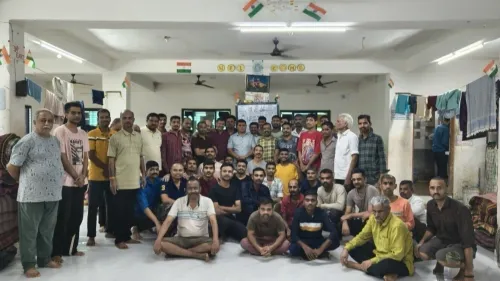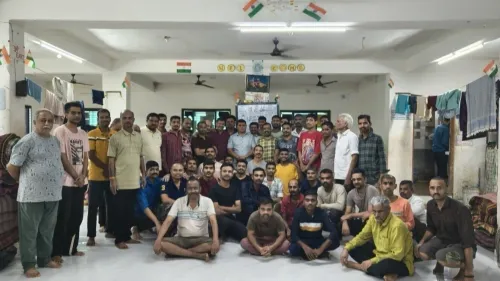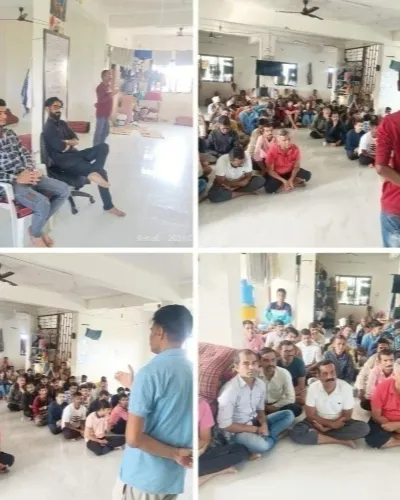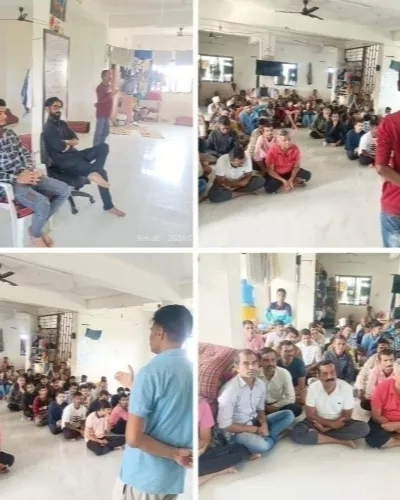
Outpatient treatment lets a person live at home while attending scheduled medical reviews, counselling and recovery sessions, but the label covers very different levels of supervision. You will be able to match the person’s withdrawal risk, home situation and treatment needs to the right care model, then compare Pune providers using specific safety and service questions.
Key takeaways
- Ask for the weekly timetable, doctor coverage, medication controls, and hospital-transfer plan.
- Avoid home detox when withdrawal could include seizures, delirium, or severe vomiting.
- Choose outpatient care only when home support, transport, and follow-up are reliable.
- Confirm emergency contacts, review frequency, fees, privacy, and family involvement before enrolling.
What does outpatient treatment include, and how does it differ from residential care?
Outpatient treatment means living at home while attending scheduled medical reviews, counselling, assessment and recovery sessions. The phrase “nasha mukti kendra outpatient options in Pune” does not identify one standard clinical service; ask for the weekly timetable, doctor and nursing coverage, medication controls, and hospital-transfer plan.
| Option | Attendance and supervision | Living arrangement and practical trade-off |
|---|---|---|
| Ordinary outpatient | Occasional appointments or weekly sessions; limited between-visit monitoring | Lives at home, allowing work or study, but faces triggers and withdrawal between visits |
| Intensive outpatient | Several structured sessions each week, with closer clinical and counselling contact | Lives at home; needs reliable attendance, transport and support |
| Day-care or partial hospitalization | Treatment for much of the day on multiple weekdays, with substantial observation | Returns home each evening; offers more containment without overnight admission |
| Residential rehabilitation | Continuous staffing, structured therapy and controlled access to substances | Lives at the centre; provides separation and observation but interrupts work, study and family routines |
Outpatient care fits a medically stable person who can remain safe between visits, has dependable housing and support, and does not need 24-hour observation. Ask how staff respond to missed appointments, worsening symptoms or relapse, and whether they assess depression, psychosis, suicidality and other psychiatric conditions.
Do not start home detox for alcohol, benzodiazepines or other sedatives without clinician assessment. Withdrawal can cause seizures, delirium or other medical emergencies; residential or hospital-based care may be safer.
When is outpatient care safe, and when is home detox dangerous?
Outpatient care is safest when the person is medically stable, has a reliable place to sleep, and can remain abstinent or follow a prescribed plan between visits. The label “nasha mukti kendra outpatient in pune” does not prove that detox is medically supervised, so ask about doctor access, nurse reviews, medication control and hospital transfer.
| Substance | Main concern outside 24-hour care | Safer outpatient condition |
|---|---|---|
| Alcohol | Seizures can occur within 48 hours; delirium tremens can develop around 48–96 hours | Clinician-led withdrawal plan, frequent review and an emergency-transfer arrangement |
| Benzodiazepines or sedatives | Abrupt stopping can cause seizures, confusion and dangerous agitation | Gradual, prescribed reduction with medical monitoring |
| Opioids | Detox lowers tolerance; returning to the old dose raises overdose risk | Buprenorphine or methadone access, overdose education and relapse follow-up |
| Stimulants | Severe depression, psychosis, chest pain or suicidal thinking can require urgent care | Stable mental state, medical screening and rapid crisis access |
Move away from unsupervised home detox when any of these apply:
- A previous withdrawal seizure, delirium tremens, severe confusion or repeated failed detox attempt
- Serious heart, liver, breathing or seizure illness, pregnancy, or mixing alcohol with sedatives or opioids
- Current psychosis, suicidal intent, uncontrolled aggression or inability to follow medication instructions
- Unstable housing, easy access to the substance, or no responsible adult who can check on the person
- Daily heavy use, long dependence, or worsening symptoms between appointments
A credible service sets review times, records withdrawal symptoms and explains exactly when to call emergency services.
What happens during outpatient assessment, detox support and continuing care?
Bring a written record of the substance used, daily amount, route, last use, duration, previous withdrawal symptoms, seizures, delirium, medical conditions, prescribed medicines and past treatment. Include depression, bipolar disorder, psychosis, suicidal thoughts, trauma, cognitive problems, housing arrangements and the name of a person who can monitor you.
This gives an outpatient clinician enough information to judge whether home-based care is safe.
1. Assessment: The clinician should examine physical health, mental health, intoxication and withdrawal risk, then assign an appropriate contact level. Ask whether the plan is routine outpatient, intensive outpatient or day care, and how many visits each week it requires.
2. Withdrawal management: detox support in pune should specify who reviews you, which medicines are used, how doses are controlled, when symptoms are checked and who answers urgent calls. Alcohol withdrawal can begin within hours; seizures commonly occur during the first 48 hours, and delirium tremens can develop around 48–96 hours.
Ask for a written emergency-transfer plan. Opioid treatment should include access to, or referral for, methadone or buprenorphine rather than counselling alone.
3. Continuing care: After detox, outpatient de addiction in pune should provide scheduled counselling, motivational interviewing or cognitive-behavioural work, family involvement where suitable, peer support and a written relapse-prevention plan. Confirm follow-up dates, missed-appointment contact, craving strategies, overdose education and criteria for transferring to residential or hospital care.
Without this phase, detox ends before recovery begins.
Which questions should you ask a Pune centre before enrolling?
Ask for evidence, not the label “vyasanmukti kendra options in pune.” “Outpatient” can mean ordinary appointments, intensive outpatient care, day treatment or a residential programme, so confirm the level, weekly schedule and whether you return home after each visit.
| Question to ask | Evidence to request | Warning sign |
|---|---|---|
| Who provides medical cover? | Doctor’s name and registration details, nurse availability, withdrawal assessments and doctor access during scheduled hours | Counsellors alone manage detox |
| Who prescribes and controls medicines? | Prescriber review, examination, required laboratory tests, dispensing records, dose changes and adverse-effect monitoring | Take-home sedatives are issued without review |
| What happens in an emergency? | Written instructions for seizures, hallucinations, severe confusion, chest pain, breathing difficulty, suicidal intent or overdose; confirm hospital transfer and call 112 | “Call us” replaces an emergency plan |
| What happens after a missed appointment? | Same-day welfare call, withdrawal check, family contact procedure and escalation rules | A missed visit is treated as a routine absence |
| Where exactly are you located? | Full Pune street address, landmark, map pin, visiting hours and the name on the signboard | Only a phone number, vague area or Nashik address |
Ask who completes intake and whether they record last use, quantity, prior seizures or delirium, overdose history, illnesses, prescribed medicines, mental-health symptoms, suicidality, housing and home support. Aatma De-Addiction & Rehabilitation Center should answer these Pune-specific questions clearly before enrolment, not promise immediate detox without assessment.
Which outpatient option fits the person in front of you?
Choose routine outpatient care only when the person is medically stable, can stay safe between visits, has dependable housing and support, and does not need 24-hour observation.
The key trade-off in nasha mukti kendra outpatient options in pune is flexibility versus containment: work and family life continue, but alcohol, drugs, triggering relationships and unsupervised withdrawal remain nearby.
| Option | Supervision and attendance | Best fit and main limitation |
|---|---|---|
| Routine outpatient | Scheduled medical reviews, counselling and recovery sessions; lowest contact | Stable person with reliable support; highest exposure between visits |
| Intensive outpatient | Several weekly sessions with closer clinical review | Rising relapse risk or weak routine; still leaves the person home alone at times |
| Day-care or partial hospitalization | Structured treatment for much of the day, with return home at night | Needs daytime containment but remains safe overnight |
| Residential rehabilitation | Lives at the facility with continuous structure and observation | Unsafe home setting, repeated relapse, severe impairment or need for withdrawal monitoring |
Before choosing outpatient de addiction in pune, ask for the actual weekly timetable, clinician availability, medicine-review process and missed-visit response. Check whether the service screens for suicidality, psychosis, depression, bipolar disorder and medical complications.
Plan residential or hospital transfer before admission if withdrawal risk is unclear, the person has a history of seizures or delirium, cannot avoid substances at home, becomes suicidal or psychotic, or repeatedly misses treatment. A credible plan names who makes the decision, where transfer occurs and how quickly it happens.
Frequently asked questions
What does outpatient treatment include, and how does it differ from residential care?
Outpatient treatment lets you live at home while attending scheduled medical reviews, counselling, assessment, detox-support appointments, and recovery sessions. Residential care provides accommodation, continuous supervision, and separation from substances. Ask each centre for its exact weekly timetable rather than assuming every outpatient programme offers the same services.
When is outpatient care safe, and when is home detox dangerous?
Outpatient care requires a stable home, a reliable support person, transport to appointments, access to urgent medical help, and a clinician-led plan. Home detox is dangerous when alcohol or drug withdrawal could cause seizures, delirium, severe vomiting, confusion, breathing problems, or suicidal thoughts. Those symptoms require urgent medical assessment and a hospital-transfer plan.
What happens during outpatient assessment, detox support and continuing care?
Assessment covers substance use, last use, previous withdrawal, physical health, mental health, medicines, risks at home, and recovery goals. Detox support includes scheduled clinical reviews, symptom monitoring, medication controls, and escalation when symptoms worsen. Continuing care can include counselling, relapse-prevention planning, family sessions, peer support, and follow-up reviews.
Which questions should you ask a Pune centre before enrolling?
Ask who conducts the assessment, how often a doctor reviews you, whether a nurse is available, how medicines are stored and dispensed, what happens after missed appointments, and who answers emergencies. Request the weekly timetable, total fees and inclusions, privacy policy, family-contact rules, and written hospital-transfer procedure.
Which outpatient option fits the person in front of you?
Choose outpatient care when the person is medically stable, willing to attend appointments, able to avoid substances between visits, and supported by a safe home environment. Consider residential or hospital-based care when withdrawal risk is high, home supervision is weak, relapse is frequent, or serious psychiatric or medical problems need closer monitoring.