Repeated relapse, hidden substance use, missed work, unsafe intoxication, withdrawal symptoms, and escalating family conflict show that a home plan may no longer provide enough safety or structure. You will be able to distinguish an emergency from a routine admission, prepare for assessment, compare residential care properly, and plan a safer transition home.
Key takeaways
- Call emergency services for unconsciousness, seizures, breathing trouble, or suspected overdose.
- Ask providers how they assess withdrawal risk and manage medical emergencies.
- Bring medication details, identification, treatment history, and emergency contacts for admission.
- Compare staffing, medical supervision, family support, discharge planning, and aftercare.
When Home Recovery Has Become Unsafe
Another unsupervised home attempt is no longer suitable when repeated promises to stop end in relapse, concealed use, missed work or study, or failure to follow a safety plan. Treat these as signs that the treatment setting may be inadequate, not proof that the person lacks motivation.
Look for these warning signs:
- Unsafe intoxication, worsening withdrawal, or access to alcohol or drugs the person cannot control
- Serious medical illness, suicidal behaviour, violent behaviour, or an unsafe household
- Relapse despite family supervision, unstable housing, or inability to attend frequent outpatient appointments
These signs call for a medical and psychiatric assessment. Do not ask relatives to restrain an intoxicated person or supervise dangerous withdrawal; call emergency services when immediate harm, severe confusion, seizure, or breathing problems occur.
For someone searching for an inpatient drug rehabilitation center for home recovery problems in Pune, the key question is whether supervision matches actual risk.
| Care option | Suitable when | Main limitation |
|---|---|---|
| Residential care | Withdrawal, relapse, housing, or trigger risks require continuous structure | Separation alone does not treat craving or relapse patterns |
| Intensive outpatient care | Withdrawal risk is low, medical status is stable, and reliable support and transport exist | It fails when the person cannot attend or remains exposed to substances |
| Home recovery | The person is medically stable, follows a safety plan, and has dependable support | It is unsafe when supervision cannot control access or emergencies |
A residential programme is not automatically the best choice. Compare the person’s withdrawal risk, medical stability, support, transport, housing, and immediate access to substances before deciding.
When to Call Emergency Services Instead of Arranging Admission
Call emergency services before arranging routine drug rehab admission in Pune if the person has any sign of immediate medical or safety danger:
- Overdose, slowed or stopped breathing, blue or grey lips, or unresponsiveness
- A seizure, severe confusion, hallucinations, or delirium
- Chest pain or a serious injury
- Suicidal intent or immediate danger to another person
If an unconscious person is breathing, place them on their side, keep the airway clear, and do not force food, drink, or medication. For a suspected opioid overdose, give naloxone when available and follow emergency instructions while waiting for help.
| Urgency | What to do | Why |
|---|---|---|
| Emergency symptoms | Call 112 or local emergency services | Routine transport can delay lifesaving treatment |
| Unconscious but breathing | Side position, clear airway, monitor breathing | Vomit can block the airway |
| Suspected opioid overdose | Give naloxone if available and seek emergency care | Naloxone can wear off before the opioid does |
| Planned admission | Arrange clinical assessment after immediate risks settle | A facility must confirm it can manage withdrawal |
Alcohol withdrawal needs particular caution. Someone drinking heavily every day can develop seizures or delirium tremens after stopping abruptly. Do not send that person alone to a residential facility; ask emergency clinicians whether hospital-based withdrawal management is required.
During planned assessment, disclose the substance, route, amount, frequency, last use, previous withdrawals, medical conditions, psychiatric symptoms, current medicines, pregnancy status, and immediate safety risks. A qualified clinician must decide whether the facility can manage withdrawal or arrange hospital transfer.
What Residential Admission and the First Days Should Include
Admission should start with identity and consent checks, not a bed assignment. A clinician should record substance, amount, frequency, route, last use, previous withdrawals, medical and psychiatric history, vital signs, current medicines, allergies, pregnancy status, and immediate safety risks.
- Complete medication reconciliation, including dose and last dose.
- Screen for suicidal thoughts, self-harm, violence, psychosis, and severe confusion.
- Create a named withdrawal-monitoring plan with review times and escalation steps.
- Ask which doctor is responsible around the clock, how medicines are prescribed and recorded, and which hospital receives deteriorating patients.
Withdrawal management stabilises the acute physical state; it does not treat the causes of relapse.
| Stage | Main purpose | What must follow |
|---|---|---|
| Withdrawal management | Control acute intoxication or withdrawal | Addiction treatment and continuing care |
| Residential treatment | Treat craving, triggers, skills, psychiatric illness, and relapse risk | A written discharge and relapse plan |
| Medication treatment | Reduce withdrawal, craving, or overdose risk | Monitoring and a continuation strategy |
A credible residential addiction treatment in Pune programme explains rooms, supervision, meals, sleep, medical reviews, counselling, motivational work, cognitive-behavioural or other behavioural therapies, relapse-prevention sessions, family meetings, recreation, phone access, visitation, privacy, complaints, and discharge rules.
Medication is treatment for some people. Options include opioid agonist treatment and, for selected alcohol-use disorder cases, naltrexone, acamprosate, or disulfiram. For opioid dependence, ask how treatment continues after tolerance falls, because forced abstinence can raise overdose risk.
Reject confrontation, humiliation, unverified detox products, and permanent-cure promises.
How Long Care Takes and How to Prepare for Discharge
Length is determined by withdrawal severity, the substance and route, medical and psychiatric conditions, suicide risk, relapse history, housing, treatment response, and safe follow-up availability. No fixed number of inpatient days guarantees recovery.
1. Before admission, bring government identification, a complete medication list with doses, prescriptions, allergy details, emergency contacts, relevant medical records, and payment information. Record the last use, recent amount, overdose history, seizures, self-harm, aggressive incidents, and previous treatment.
2. Arrange transport with a sober adult or medical team. Never send an intoxicated or medically unstable person alone. With the patient’s consent, agree what relatives may be told, who may receive updates, and where confidentiality limits apply.
3. Before discharge, obtain named follow-up appointments, enough medication, monitoring arrangements, peer or psychosocial support, transport, and family contacts. Write down likely triggers, coping responses, warning signs, and exact steps to take after a lapse.
4. Treat a return to use as clinical information, not moral failure. The team should review the substance, amount, route, overdose risk, medication adherence, psychiatric state, environmental triggers, and whether a higher or different level of care is needed.
Families comparing inpatient drug rehabilitation in Pune should ask who provides medical responsibility around the clock and whether the centre supplies a written discharge and relapse plan. Safe continuing care matters because structure falls away and tolerance can change after discharge.
How to Compare Pune Providers Before You Commit
A clinical provider can name its responsible clinician, emergency hospital, withdrawal protocol, and written discharge process; accommodation cannot. Before choosing inpatient drug rehabilitation in Pune, ask these questions directly:
- Who is medically responsible 24/7, and can a qualified doctor assess withdrawal? Which emergency hospital receives deteriorating patients?
- How are medicines prescribed, administered, and recorded? How is suicide risk managed? Does the programme screen for depression, bipolar disorder, psychosis, trauma, and cognitive impairment, then repeat psychiatric assessment after intoxication and withdrawal settle?
- Is treatment voluntary, or is involuntary care legally authorised? How are consent, confidentiality, restraint, visitation, complaints, and discharge rights explained?
- What is the therapy schedule, family-session policy, and phone rule? Request a sample written discharge and relapse plan naming follow-up appointments, medication monitoring, support, transport, triggers, coping steps, and actions after a lapse.
- What happens after a lapse? Ask whether opioid agonist treatment or other continuing care is available when clinically indicated.
Residential addiction treatment in Pune should be judged by clinical follow-up and therapies, not room photographs, promises of a cure, or length of stay.
| Provider | Evidence of clinical care | Warning sign |
|---|---|---|
| Doctor and emergency pathway | Named 24/7 responsibility and hospital transfer plan | “Call us if anything happens” |
| Treatment plan | Scheduled behavioural therapy, medication review, family work, and discharge plan | Unstructured occupation |
| Patient protections | Written consent, privacy, complaint, visitation, restraint, and discharge rules | Vague or punitive answers |
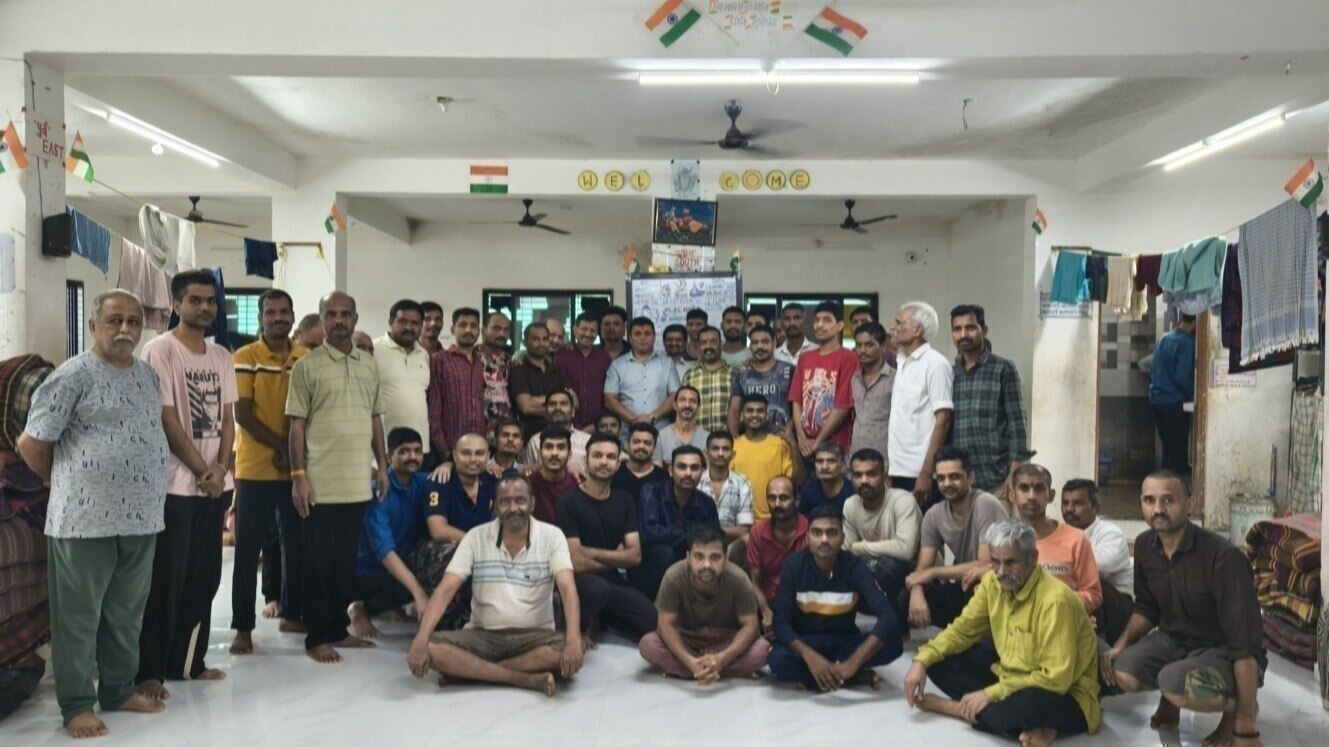
If considering Aatma De-Addiction & Rehabilitation Center, clarify its Nashik location, Pune travel arrangements, withdrawal capability, emergency transfer pathway, supervision, consent procedures, and follow-up support.
Frequently asked questions
When is home recovery no longer safe?
Consider residential care when repeated attempts end in relapse, concealed use, missed work or study, or failure to follow a safety plan. The setting may be inadequate even when the person wants to stop.
When should you call emergency services instead of arranging admission?
Call emergency services for unconsciousness, slow or difficult breathing, seizures, severe confusion, chest pain, suspected overdose, or immediate suicidal intent. Do not transport an unstable person for routine admission.
What should residential admission include during the first days?
The provider should complete an intake assessment, review substance use and medications, assess withdrawal risk, monitor physical and mental health, and create a supervised treatment plan. Ask how the center handles deterioration or emergency transfer.
How should you compare inpatient drug rehabilitation providers in Pune?
Compare medical supervision, withdrawal-management procedures, staffing, psychiatric support, family involvement, living arrangements, relapse-prevention work, discharge planning, and continuing recovery care.