Substance dependence affects far more than the physical urge to drink or use drugs. Sleep, nutrition, relationships, emotional health, confidence, daily routines and work responsibilities can all be disrupted over time.
This is why holistic addiction recovery programs generally look beyond the substance itself. The objective is to help individuals rebuild the areas of everyday life that may have deteriorated during addiction.
Physical Stabilization Creates a Foundation
Early recovery can involve withdrawal symptoms, fatigue, disrupted sleep and changes in appetite. When required, detoxification and medical monitoring can help stabilize the individual before deeper therapeutic work begins.
Regular meals, adequate rest and structured daily routines can also support physical recovery.
However, physical stabilization alone does not resolve the psychological patterns connected with substance use.
Emotional Health Can Influence Addiction
People may use alcohol or drugs for many different reasons. Some use substances to manage stress. Others may rely on them to cope with difficult emotions, relationship problems or feelings they struggle to express.
Mental health support for addiction can help identify these underlying factors.
Counseling may focus on:
- Emotional regulation
- Stress management
- Craving management
- Trigger identification
- Problem-solving skills
- Communication
- Self-awareness
- Relapse prevention
Where appropriate, treatment may also consider whether co-occurring psychological concerns require additional attention.
Routine Can Be Therapeutic
One overlooked aspect of addiction recovery is rebuilding structure.
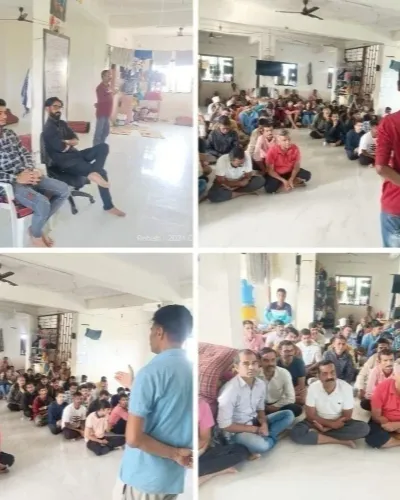
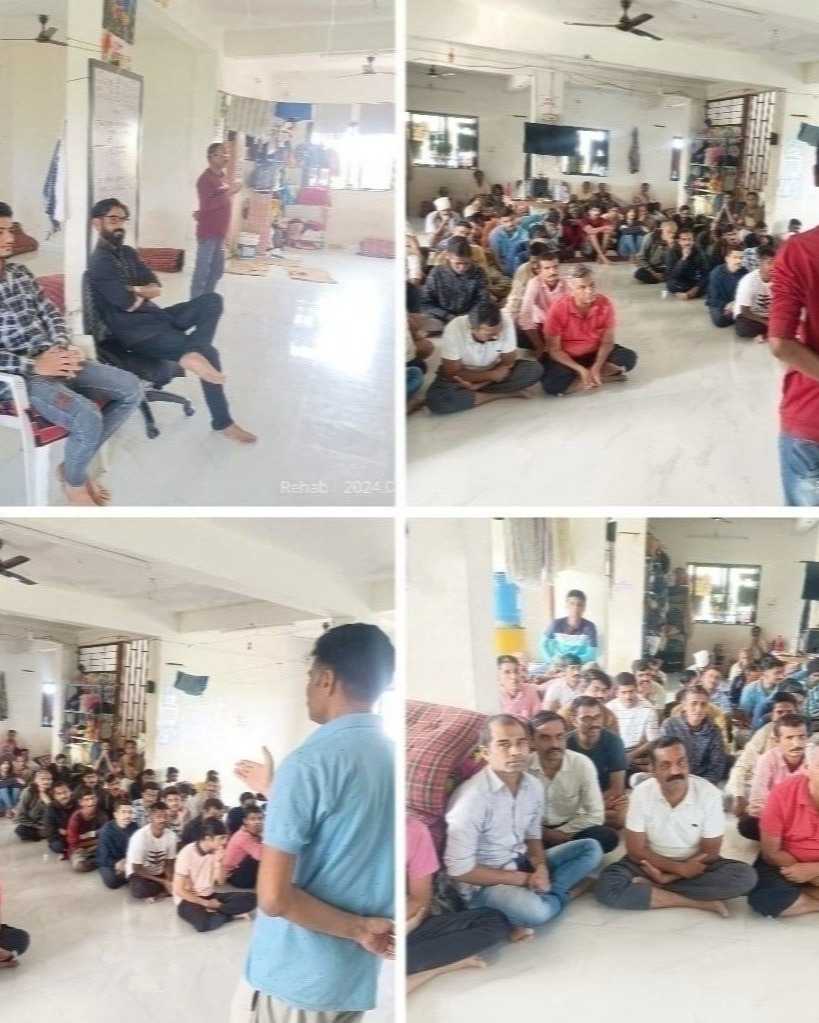
During active addiction, sleeping patterns, meals, responsibilities and social interactions can become unpredictable. A residential programme introduces a routine in which individuals know what is expected throughout the day.
Scheduled counseling, group activities, meals, recreation and rest can help restore stability.
For some individuals, this structure can be particularly useful during the early stages of recovery when motivation and concentration may fluctuate.
Relationships Need Attention Too
Families frequently experience the consequences of addiction alongside the individual. Trust may have weakened, communication may have become confrontational and relatives may be unsure how much responsibility they should take for the person's recovery.
Family counseling for addiction recovery can help clarify these issues.
Rather than focusing entirely on past conflicts, counseling can encourage healthier communication, appropriate boundaries and realistic expectations about recovery.
Preparing for Triggers Is Essential
The controlled environment of a rehabilitation programme is different from everyday life. Once someone returns home, they may encounter familiar friends, stressful situations, celebrations, workplace pressures or locations associated with previous substance use.
Effective addiction recovery programs therefore need to prepare individuals for these situations.
Relapse-prevention planning may involve identifying high-risk circumstances and developing specific responses before those situations occur.
Aftercare Connects Treatment With Everyday Life
Recovery continues after residential treatment ends. Follow-up counseling, peer support, structured routines and family involvement can help individuals apply what they learned during rehabilitation.
Aatma De-Addiction and Rehabilitation Center provides addiction recovery support for individuals and families in Nashik. For people across Nashik and surrounding Maharashtra communities considering treatment, understanding the broader purpose of rehabilitation can help set realistic expectations.
A holistic programme does not treat recovery as simply removing alcohol or drugs from a person's life. It considers how that person will manage emotions, relationships, responsibilities and triggers without returning to substance use. That broader preparation can become an important part of building a more sustainable recovery path.