Not everyone struggling with substance use requires the same type or intensity of treatment. Some people can participate in outpatient programs while continuing to live at home. Others may benefit from temporarily moving into a structured residential environment.
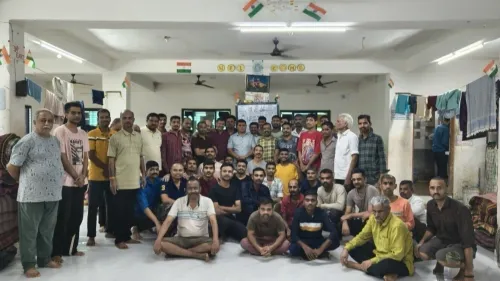
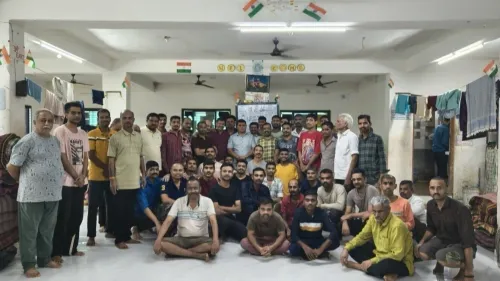
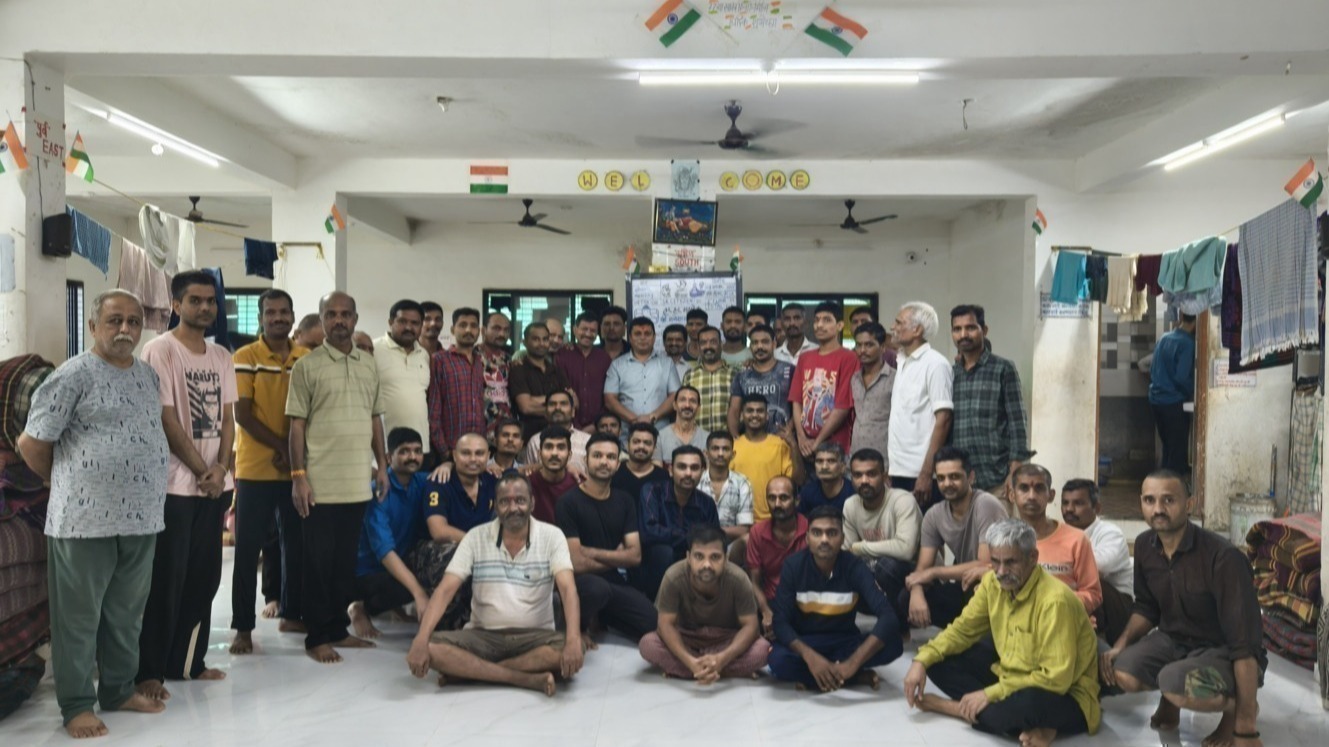
An Inpatient Drug Rehabilitation Center in Pune provides accommodation, supervision, therapeutic support, and structured daily routines within a dedicated recovery setting. Understanding when this approach may be appropriate can help families make more informed treatment decisions.
What Is Inpatient Rehabilitation?
Inpatient or residential rehabilitation means that the individual stays at the treatment facility for a defined period rather than attending appointments and returning home each day.
The program may include:
- Initial assessment
- Detoxification support when required
- Individual counseling
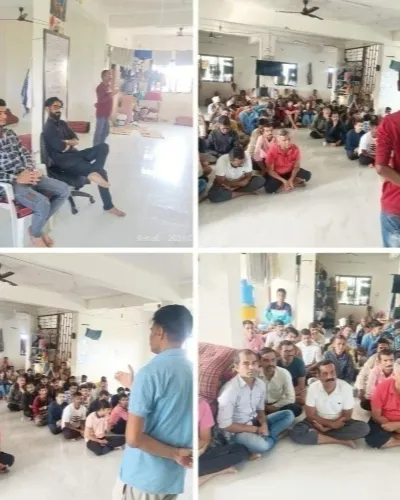
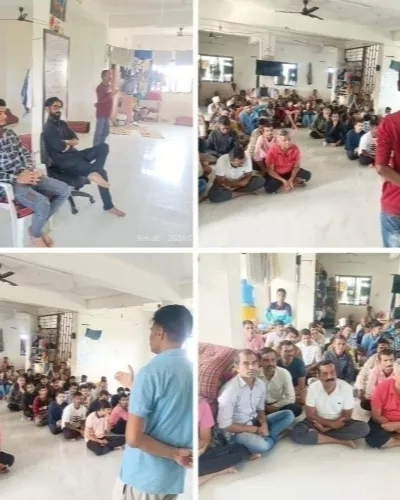
- Group-based therapeutic activities
- Substance abuse education
- Structured daily routines
- Relapse-prevention planning
- Family counseling
- Recreational or wellness activities
- Aftercare preparation
The exact combination should depend on the individual's needs rather than following an identical formula for every patient.
When Can Residential Treatment Be Useful?
Residential treatment may be considered when substance use has become difficult to manage within the person's existing environment.
For example, an individual may live in a setting where drugs or alcohol are easily available. Their social group may encourage substance use, or repeated attempts to stop at home may have been unsuccessful.
A residential de-addiction program creates temporary separation from these triggers.
It may also provide more structure for people whose sleep, meals, personal responsibilities, and daily routines have become severely disrupted.
Inpatient and Outpatient Treatment Are Different
Outpatient de-addiction treatment allows individuals to attend scheduled therapy or treatment sessions while continuing to live at home.
This can suit people who have a stable home environment, manageable symptoms, strong family support, and the ability to follow a treatment plan outside the facility.
Residential rehabilitation offers a higher level of structure because treatment and accommodation occur in the same environment.
Neither model should automatically be considered better for everyone. The appropriate choice depends on the person's circumstances, substance-use history, health, support system, and treatment needs.
Residential Care Can Help Rebuild Routine
Addiction can gradually reorganize a person's entire day around obtaining, using, or recovering from substances.
A residential setting can replace this unpredictable routine with scheduled activities. Consistency around sleep, meals, counseling, physical activity, and responsibilities can help individuals begin rebuilding healthier habits.
The protected environment also gives them an opportunity to practise coping strategies before returning to everyday pressures.
Family Involvement Still Matters
Residential treatment does not mean separating recovery from the family.
Family members may need to understand triggers, communication patterns, boundaries, and warning signs of relapse. Preparing the home environment for the person's return can be an important part of the recovery process.
Aatma De-Addiction and Rehabilitation Center provides residential addiction recovery support for individuals seeking treatment in Pune, Maharashtra.
Choosing between inpatient and outpatient care should be based on actual treatment needs rather than convenience alone. For individuals who face strong environmental triggers, repeated relapse, limited structure, or difficulty remaining substance-free in their usual surroundings, a Drug Rehabilitation Center in Pune offering residential care can provide the structured setting needed to focus more consistently on recovery.