Drug use does not have to look like daily intoxication, homelessness, or a medical crisis before treatment deserves consideration. By examining control, consequences, withdrawal risk, safety, and available levels of care, you can decide whether an assessment is appropriate and what questions to ask before admission.
Key takeaways
- Arrange an assessment when control is slipping or drug-related harm is accumulating.
- Call emergency services for unconsciousness, seizures, breathing trouble, or suspected overdose.
- Ask for medical assessment, withdrawal monitoring, mental-health screening, and a written care plan.
- Choose programmes offering qualified clinicians, family support, relapse planning, and continuing care.
When Drug Use Has Crossed the Line Into a Treatment Problem
You do not need to be visibly intoxicated, homeless, or in crisis before considering treatment. Arrange an assessment when drug use is becoming difficult to control or its consequences keep accumulating, even if you still work, study, or manage daily responsibilities.
Warning signs include:
- Using more often, in larger amounts, or in riskier ways than planned
- Trying to stop or cut down and failing
- Experiencing withdrawal symptoms such as shaking, sweating, vomiting, severe anxiety, or pain
- Spending money needed for food, housing, fees, or bills on drugs
- Missing work, classes, appointments, or family responsibilities
- Facing conflict, violence, legal trouble, debt, or relationship damage linked to use
- Continuing after an overdose, serious health problem, or clear warning from someone you trust
Occasional use is not automatically addiction. Intoxication describes the effects during or soon after taking a drug; craving is a powerful urge; physical dependence means withdrawal follows reduction or stopping. A substance-use disorder involves a continuing pattern of impaired control and harm, and a clinician—not a label or one difficult episode—should assess it.
A qualified assessment through addiction recovery programs for drug dependence in Pune can examine the substance, dose, route, last use, withdrawal risk, mental health, medications, and safety concerns. Detoxification can make stopping safer, but it does not by itself treat the reasons for use or prevent return to use.
Ask what counselling, medication, relapse-prevention work, and follow-up come after withdrawal management.
Recognise an Emergency Before Arranging Routine Admission
Do not arrange routine admission if the person is unconscious, struggling to breathe, having a seizure, or becoming dangerously confused. Call 112 or your local ambulance service, state the substance if known, and follow the dispatcher’s instructions. Do not leave the person alone or make them vomit.
Seek emergency help for these signs:
- Suspected overdose with slow, stopped, noisy, or irregular breathing; blue or grey lips; pinpoint pupils; collapse; or inability to wake.
- A seizure, repeated vomiting while drowsy, severe chest pain, or extreme weakness.
- Severe agitation, hallucinations, paranoia, delirium, or behaviour that threatens the person or others.
- Suicidal intent, a recent self-harm attempt, or access to a weapon or lethal drug supply.
- Alcohol or benzodiazepine withdrawal with shaking, confusion, hallucinations, seizures, or severe agitation.
| Situation | Correct next step | Why routine transport is unsafe |
|---|---|---|
| Suspected opioid overdose | Call emergency services; give naloxone if available and follow instructions | Breathing can stop without warning |
| Seizure or unresponsiveness | Protect the head, place the person on their side after the seizure, and wait for an ambulance | Restraint, food, or drink can cause injury or choking |
| Heavy alcohol or benzodiazepine use with withdrawal signs | Obtain urgent medical assessment | Withdrawal can progress to seizures or delirium |
A person who is awake and medically stable can contact a recovery programme for assessment. State the last dose, substances used, and any withdrawal history honestly.
What a Proper Assessment and Withdrawal Plan Should Cover
A safe placement decision starts with a clinical assessment, not a promise of a fixed-length stay. A drug addiction treatment center in Pune should assess the pattern and consequences of use, not just the quantity taken on one occasion.
Ask whether the assessment records:
- Substance name, route, amount, frequency, last dose, mixing with alcohol or medicines, and previous overdoses.
- Withdrawal history, including seizures, delirium, severe vomiting, agitation, or earlier failed detox attempts.
- Blood pressure, pulse, temperature, hydration, medical conditions, prescribed medicines, pregnancy possibility, and relevant tests.
- Depression, psychosis, anxiety, suicide risk, sleep, trauma, housing, family safety, work, and ability to attend appointments.
- The person’s consent, treatment preference, available support, and triggers in the current home environment.
The level of care should follow those findings:
| Option | What it means | When it applies |
|---|---|---|
| Detox or withdrawal management | Monitored withdrawal, symptom treatment, and emergency escalation | Significant withdrawal risk or medical instability |
| Medication-led care | Prescribed medicine with monitoring, counselling, and follow-up | A clinician identifies a suitable medication plan |
| Residential care | Live-in structure with clinical and psychosocial support | Unsafe housing, repeated outpatient failure, or serious daily risk |
| Outpatient care | Scheduled medical, counselling, and recovery appointments | Stable health, reliable attendance, and a safe home |
The plan must name who monitors withdrawal, which medicines are used, when hospital transfer occurs, and what happens after discharge. It should also cover lost opioid tolerance, overdose prevention, rapid help after return to use, and naloxone where legally and practically available.
What Recovery Requires After Detox or Stabilisation
Detox makes withdrawal safer; it does not resolve the habits, triggers, health problems, or living conditions that sustain drug use. After withdrawal management, the plan usually moves to counselling, relapse-prevention work, medication when clinically appropriate, psychiatric care, family involvement, and practical recovery support.
Recovery rarely fits a fixed seven- or fourteen-day timetable. Expect regular participation for weeks or months, followed by continuing check-ins that may last longer. The right intensity depends on cravings, psychiatric symptoms, relapse history, housing, work or study demands, and the safety of the home environment.
Missing sessions, stopping prescribed medication, or returning to drug use should prompt a reassessment, not automatic discharge.
Before choosing among addiction recovery programs in pune, confirm that the post-detox plan includes:
- A named clinician for follow-up, with appointment dates and a way to obtain urgent help.
- Overdose education, especially after opioid detox, because lost tolerance makes a former dose more dangerous. Ask whether naloxone is discussed and how to obtain it legally and practically.
- A written response to a lapse: who to call, where to go, and how clinicians will review withdrawal, overdose risk, medication use, mental health, drug exposure, and housing pressures.
- Participation that you can sustain, such as residential care, intensive outpatient visits, individual counselling, peer support, or supervised family involvement.
- A discharge plan covering medicines, emergency contacts, confidentiality, family consent, and follow-up appointments.
Recovery is active care, not time spent inside a facility. A short stay without continuing support leaves the main relapse risks untreated.
How to Compare Programmes and Avoid Unsafe Promises
Compare the level of care with the person’s withdrawal risk, psychiatric symptoms, housing, triggers, appointment access and preference. Residential care is not automatically better; repeated outpatient failure or an unsafe home can justify a higher level.
| Option | What it provides | When it fits |
|---|---|---|
| Residential | 24-hour structure, counselling and recovery routines | Unsafe housing, constant drug access or repeated failed outpatient attempts |
| Outpatient | Scheduled medical and counselling visits while living at home | Stable housing, reliable attendance and manageable withdrawal risk |
| Hospital | Medical monitoring, emergency treatment and supervised withdrawal care | Seizure risk, severe withdrawal, unstable health or acute danger |
| Psychiatric | Assessment and treatment of psychosis, depression, suicide risk or other mental illness | Mental-health symptoms complicate substance use |
| Mutual-aid | Peer meetings and continuing accountability | Ongoing support alongside, not instead of, needed clinical care |
| Family supervision | Transport, medicine oversight and agreed home boundaries | The person consents and relatives can provide safe, consistent support |
Before admission, ask any drug rehabilitation center in Pune who the treating doctor or psychiatrist is, who handles emergencies, how medicines are prescribed and monitored, and how consent and confidentiality work. Request written admission criteria, expected duration, total charges, extra medicine costs, family-contact rules, work or study arrangements and follow-up plans.
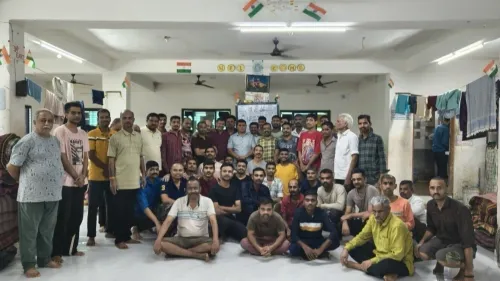
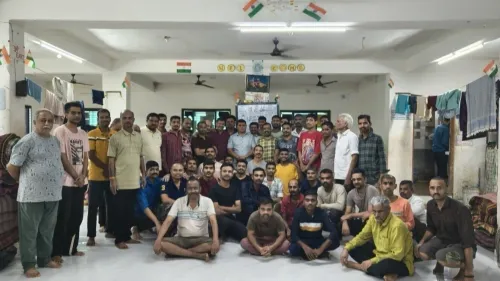
Treat “nasha mukti kendra in Pune” as a search term, not proof of accreditation. Aatma De-Addiction & Rehabilitation Center is one provider a family can question using the same checklist.
Reject guaranteed-cure claims, one-method-fits-all advice, hidden fees, or refusal to identify clinicians and emergency arrangements. A short detox stay is not complete treatment; ask about counselling, medication, relapse planning and overdose-risk education after discharge.
Related services
alcohol and drugs deaddiction centre alcohol and drugs deaddiction centre At Aatma De-addiction Center, Nashik, we specialize in providing comprehensive care for individuals battling alcohol and drug addiction. |
De-addiction Center "Aatma De-addiction and Rehabilitation Center" It became evident that today’s young generation is increasingly falling prey to the grip of addictive... View service → |
Frequently asked questions
When should you consider drug addiction treatment?
Consider an assessment when drug use is difficult to control, causes health or relationship harm, or interferes with work, study, finances, or responsibilities.
When is drug use an emergency rather than a routine admission?
Treat unconsciousness, seizures, slowed or stopped breathing, severe confusion, chest pain, or suspected overdose as emergencies. Call local emergency services immediately.
What should a drug treatment assessment cover?
Ask for a review of substance use, medical history, withdrawal risk, mental health, suicide risk, current medicines, and the level of monitoring required.
What should recovery include after detox or stabilisation?
Recovery needs an ongoing plan with counselling, trigger management, family involvement where appropriate, relapse-response steps, and scheduled follow-up.
How can you compare addiction recovery programmes in Pune?
Check clinical staffing, emergency procedures, withdrawal monitoring, family communication, privacy, written fees, discharge planning, and continuing-care arrangements. Be cautious of guaranteed cures.
Related service
vyasanmukti kendra व्यसनमुक्ति केंद्र नाशिक आत्मा व्यसनमुक्ती केंद्र, नाशिक आमचे आत्मा व्यसनमुक्ती केंद्र, नाशिक, हे दारू व अमली पदार्थांच्या व्यसनातून मुक्त होण्यासाठी उत्कृष्ट आणि प्रभावी... |