Choosing residential care involves more than finding a place where someone can stay away from alcohol or drugs. You need to match the treatment setting to withdrawal risk, relapse patterns, mental-health needs, family support, and the quality of care available after discharge. By the end, you will know what residential recovery includes, who benefits from it, what warning signs require hospital care, and which questions to ask a Nashik facility.
Key takeaways
- Choose residential care when home triggers or access to substances undermine recovery.
- Confirm the centre has withdrawal supervision and an emergency medical plan.
- Compare daily schedules, counselling methods, family involvement, and privacy safeguards.
- Ask for a written aftercare plan covering follow-up, relapse warning signs, and support contacts.
What residential recovery provides that outpatient care cannot
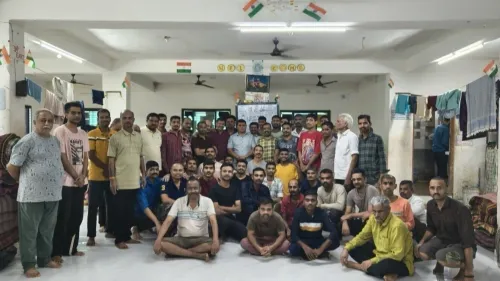
Residential treatment changes where recovery happens: you live at the centre, away from alcohol, drugs, and immediate household triggers. Staff can supervise withdrawal, provide scheduled counselling, monitor prescribed medication, and involve relatives without making confidentiality, humiliation, or coercion part of treatment.
| Option | Where care happens | What it provides | Main limitation |
|---|---|---|---|
| Outpatient counselling | Home, with scheduled visits | Therapy and recovery planning | You return to the same triggers after each session |
| Intensive outpatient treatment | Home, with several weekly sessions | More therapy and accountability | No overnight supervision |
| Partial hospitalization | Day programme, home at night | High treatment intensity and clinical monitoring | Unsafe housing or severe withdrawal can overwhelm the plan |
| Home-based detox | Your home, with medical instructions or visits | Withdrawal support without admission | Alcohol or benzodiazepine withdrawal can become life-threatening |
| Residential recovery | Treatment centre, day and night | Separation, structure, peer support, and continuous observation | You pause work, caregiving, and normal routines |
A Nasha Mukti Kendra is a common Hindi term for an addiction-treatment or rehabilitation centre; it is not a clinical accreditation or guarantee of medical staffing. If you are researching nasha mukti kendra benefits residential recovery in nashik, verify registration, qualified clinicians, medication rules, and hospital-transfer arrangements.
Seizures, delirium, overdose, chest pain, severe dehydration, head injury, or suicidal intent require emergency medical care, not routine residential counselling. The strongest benefits come from safety, structure, treatment intensity, and a discharge plan—not the label or a fixed 28-day promise.
Who is a good fit for residential care, and when is it unsafe
Residential care fits someone who cannot remain abstinent at home, lives with substance use or conflict, lacks reliable support, or needs a protected routine and frequent monitoring during early recovery. It is not automatically better than outpatient treatment; withdrawal risk, medical conditions, psychiatric stability, relapse risk, housing, and family support should guide the decision.
Use this checklist before choosing residential de addiction in nashik:
- Choose residential care when the person repeatedly relapses between appointments or cannot avoid alcohol, drugs, or using peers at home.
- Choose it when family members cannot provide safe supervision, boundaries, transport, or medication support.
- Ask for a clinical assessment before admission if the person has heavy alcohol use, benzodiazepine dependence, seizures, serious illness, or previous complicated withdrawal.
- Treat “Nasha Mukti Kendra” as a description, not proof of accreditation, medical staffing, or treatment quality. Verify clinician qualifications, registration, medication policies, and emergency-transfer arrangements.
Routine residential counselling is unsafe during a medical or psychiatric emergency. Do not manage heavy alcohol or benzodiazepine withdrawal alone; abrupt stopping can cause seizures or delirium tremens.
Go to an emergency hospital or request immediate transfer for:
- Seizure, delirium, severe confusion, or hallucinations
- Overdose, slowed breathing, or unresponsiveness
- Chest pain, serious injury or head trauma, or severe dehydration
- Suicidal intent, a recent attempt, violent behaviour, or psychosis
Once stabilised, the hospital team can decide whether residential rehabilitation is appropriate.
What daily life is like inside a residential recovery programme
A residential programme replaces an unpredictable home routine with a supervised environment. Staff can observe withdrawal symptoms, prevent access to alcohol or drugs, and respond quickly when a person becomes confused, agitated, medically unwell, or unsafe.
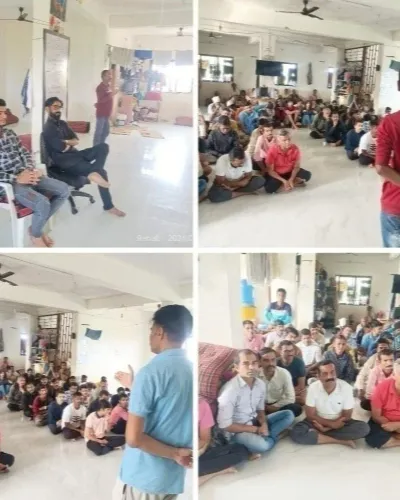
A typical day may include:
- A fixed wake-up, meal, medication, therapy, and bedtime schedule, reducing idle periods when cravings grow.
- Prescribed medication given or recorded by staff, lowering missed doses, double-dosing, and unsafe self-medication.
- Individual counselling to identify thoughts, habits, and situations that lead to use.
- Group sessions and peer contact, showing residents that recovery problems can be discussed without hiding them.
- Regular meals and hydration, supporting physical recovery after disrupted eating or drinking.
- Sleep routines with fewer late-night interruptions, helping restore concentration and emotional control.
- Recreation, exercise, or quiet activities that provide non-drug ways to manage stress.
- Limited unsupervised contact and removal from substance-using people, places, cash access, and other immediate triggers.
For families researching nasha mukti kendra residential benefits in nashik, family sessions can teach safer boundaries, warning-sign recognition, and treatment support without humiliation or coercion. Staff can also plan supervised calls and visits while protecting confidentiality. Residential care has limits: it interrupts work and caregiving, and residents must later practise coping skills outside the centre.
The benefit comes from structured treatment and continuity, not confinement alone.
How to compare residential addiction programmes in Nashik
For addiction recovery programs residential care in Nashik, ask for evidence rather than relying on the label “Nasha Mukti Kendra.” A centre’s name does not prove medical staffing, registration, or safe withdrawal management.
| Question | What to verify | Warning sign |
|---|---|---|
| Clinical care | Who assesses withdrawal, depression, psychosis, trauma, and suicidal thinking? | Counselling is offered without psychiatric assessment or referral. |
| Emergency safety | Can staff transfer a deteriorating patient to an emergency hospital? Ask about seizures, delirium, overdose, chest pain, head injury, dehydration, and suicidal intent. | Staff describe confinement as the emergency plan. |
| Accommodation | How many residents share a room, and are sleeping, bathing, food, and medication areas clean and supervised? | Crowding, unclear rules, or no night supervision. |
| Family involvement | When can relatives receive education about boundaries, warning signs, and treatment adherence? | Humiliation, forced disclosure, or family contact without consent. |
| Privacy | How are records, calls, visitors, and personal information protected? | No written confidentiality policy. |
| Staffing | Ask for names, qualifications, shift coverage, and who administers medicines. | “Experts” are not identified. |
| Fees | Request an itemised written fee covering admission, medicines, tests, stay, and discharge. | Cash-only charges or surprise extensions. |
For residential de addiction in nashik, compare the discharge plan too: relapse-prevention work, follow-up appointments, family consent, and continuing support. If you are assessing Aatma De-Addiction & Rehabilitation Center, use these same questions instead of judging it by its title or promotional claims.
Why treatment quality and aftercare determine the lasting benefit
Detox is the opening phase, not the treatment plan. Claims about nasha mukti kendra benefits residential recovery in nashik mean little unless the programme provides clinical assessment, counselling, relapse-prevention work, and a documented discharge pathway. “Nasha Mukti Kendra” describes an addiction-treatment centre; it does not prove accreditation, medical staffing, or treatment quality.
Use this checklist before admission:
- Request assessment for depression, anxiety, psychosis, trauma, suicidal thinking, and other co-occurring conditions, with a plan for psychiatric care and medication review.
- If opioid use disorder is present, ask whether the centre provides or arranges methadone or buprenorphine. Forced medication-free detoxification is not the only valid recovery route.
- Confirm overdose education and naloxone access after discharge. Lost tolerance means the old opioid dose can become fatal after residential abstinence.
- Look for individual and group therapy, trigger planning, coping skills, family sessions, and a written response plan for cravings or relapse.
- Require continuing care: named follow-up appointments, medication supply, peer or counselling support, emergency contacts, and rapid re-entry if treatment fails.
The strongest nasha mukti kendra residential benefits in nashik come from continuity, not confinement alone. Family members should learn safer boundaries, warning signs, and how to avoid enabling while respecting confidentiality. A credible programme connects you to care after discharge and prepares you to manage work, relationships, and real-world triggers.
Frequently asked questions
What benefits does residential recovery provide over outpatient care?
Residential care places you away from alcohol, drugs, and immediate household triggers while providing scheduled counselling, supervised routines, medication monitoring, and coordinated family involvement.
Who is a good fit for residential addiction treatment in Nashik?
Residential care suits people who need distance from substances, structured daily support, or help maintaining recovery in an unstable home environment. A clinician should assess whether the setting matches your medical and psychiatric needs.
When is residential recovery unsafe?
It is unsafe when a centre cannot manage withdrawal complications, psychiatric emergencies, medication needs, or hospital transfers. Ask how staff respond to seizures, severe confusion, suicidal thoughts, and other emergencies before admission.
What should you compare when choosing a nasha mukti kendra in Nashik?
Compare clinical staffing, withdrawal supervision, counselling frequency, medication policies, resident safety, confidentiality, family participation, complaint procedures, and the written aftercare plan.
Why does aftercare affect the lasting benefit of residential treatment?
Returning home can restore the triggers and pressures that contributed to substance use. Follow-up counselling, relapse planning, family support, and clear referral contacts help carry residential progress into everyday life.