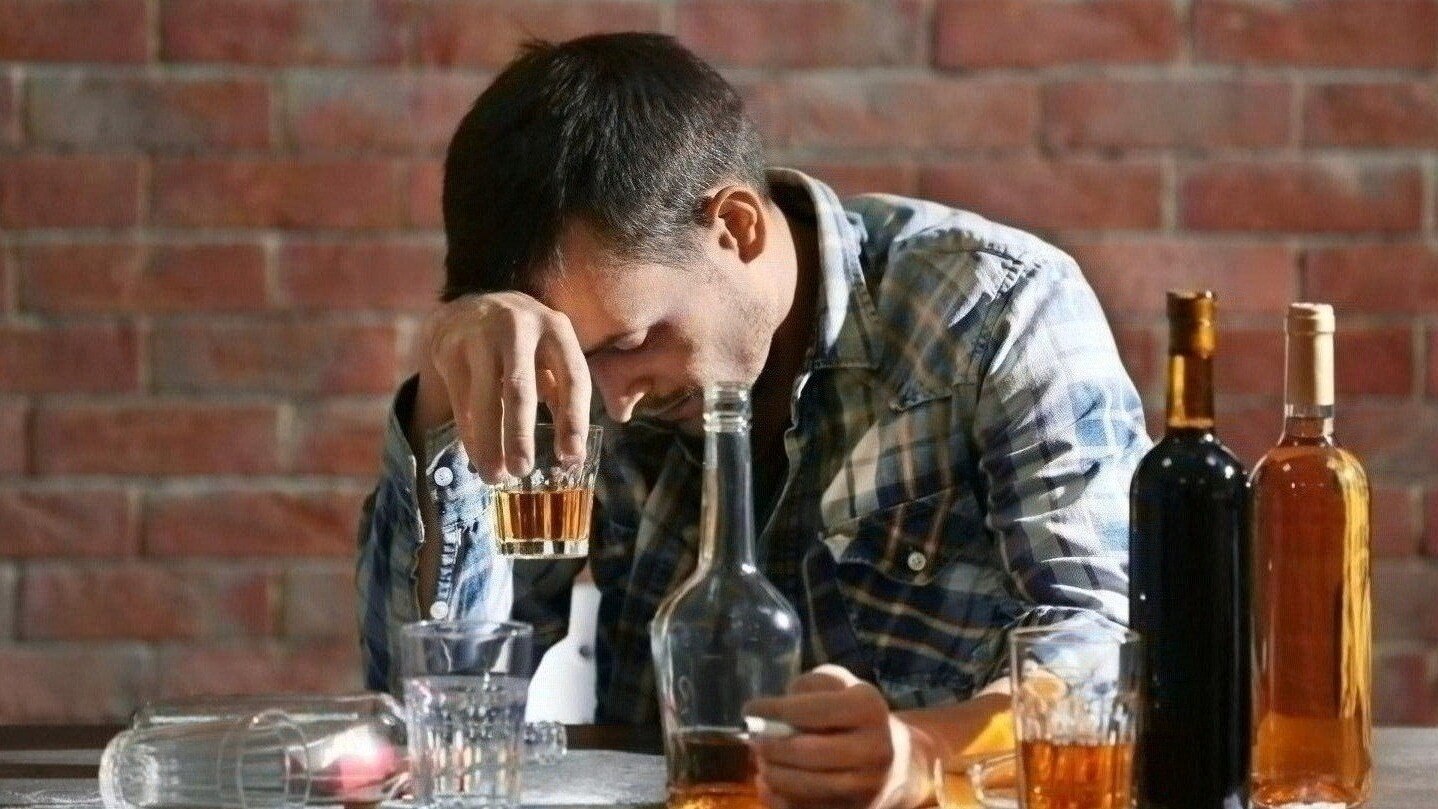
Stopping alcohol after heavy or prolonged drinking is not always safe to manage at home, and detoxification alone does not treat alcohol-use disorder. You will be able to collect the right information, identify the appropriate level of care, compare alcohol treatment options in Nashik, and build a plan that continues after withdrawal.
Key takeaways
- Record the last drink, withdrawal history, medical conditions, and current safety risks.
- Seek urgent medical care for seizures, confusion, hallucinations, or suicidal thoughts.
- Compare supervised withdrawal, residential rehabilitation, outpatient care, and continuing support.
- Include medication review, family roles, privacy safeguards, and a written relapse response.
Start with safety: what information belongs in a recovery plan?
Before contacting a provider, record the person’s recent alcohol pattern and current safety risks. Note the last drink, usual quantity and frequency, previous withdrawal symptoms, seizures or delirium, other substance use, prescribed medicines, liver disease, other medical conditions, depression, anxiety, suicidal thoughts, housing, and available family supervision.
This information supports alcohol recovery planning in Nashik and helps clinicians separate withdrawal risk from long-term treatment needs.
- Write the person’s goals in their own words, such as stopping completely, reducing immediate harm, returning to work, or repairing family relationships.
- List what support is available at home, including who can stay with them, transport, and a safe place without alcohol.
- Ask each provider whether it offers medical assessment, 24-hour withdrawal monitoring when needed, physician or psychiatrist access, a written medication plan, emergency management, family involvement, discharge planning, and scheduled follow-up.
- Confirm the plan beyond detoxification: therapy, relapse-prevention medication when appropriate, peer support, and treatment for depression or anxiety.
Seek urgent medical help for a seizure, hallucinations, severe confusion, collapse, trouble breathing, chest pain, repeated vomiting, inability to wake, or suicidal intent. Do not manage severe withdrawal alone or abruptly stop heavy, prolonged drinking without medical advice. Go to the nearest emergency department or call local ambulance services.
Alcohol de-addiction treatment for recovery planning in Nashik should begin with this safety record, not with a facility label. A counselling-only service is not equipped for medically risky detoxification.
How is the right level of alcohol treatment selected?
Withdrawal risk decides the starting level of care, not the label “rehab.” Clinicians review recent alcohol intake, previous seizures or delirium, other substances, liver and heart problems, prescribed medicines, psychiatric symptoms, suicide risk, housing, family supervision, and ability to attend follow-up. Compare alcohol treatment options in Nashik by capability, not reputation or name.
| Option | What it provides | When clinicians select it |
|---|---|---|
| Outpatient counselling | Scheduled therapy, medical reviews, and family involvement while you live at home | Stable withdrawal risk, safe housing, reliable supervision, and consistent attendance |
| Medically supervised withdrawal | Monitoring, prescribed withdrawal treatment, hydration and thiamine assessment, with escalation if symptoms worsen | Dependence with meaningful withdrawal risk but no complication requiring hospital admission |
| Residential rehabilitation | A structured, substance-free setting with daily therapy, routines, relapse-prevention work, and continuing-care planning | Repeated relapse, unsafe housing, weak supervision, or inability to maintain outpatient attendance |
| Hospital treatment | Continuous medical care for severe withdrawal or alcohol-related complications | Previous withdrawal seizures or delirium, confusion, abnormal eye movements, serious illness, unstable vital signs, or suspected complications |
| Psychiatric care | Assessment and treatment for depression, psychosis, anxiety, suicide risk, or other mental-health conditions | Psychiatric symptoms affect safety or recovery; it can accompany any other level of care |
Before admission, ask who conducts the medical assessment, whether 24-hour monitoring is available, who manages emergencies, and whether a physician or psychiatrist can review the patient. Counselling alone is not detoxification. Abruptly stopping heavy, prolonged drinking without medical advice can lead to seizures within 12–48 hours or delirium around 48–72 hours.
What happens during the first 72 hours and the weeks that follow?
Start the clock at the last drink. Withdrawal symptoms often begin within 6–24 hours; seizures are especially associated with 12–48 hours, and delirium tremens can emerge at 48–72 hours. Do not attempt unsupervised detoxification after previous seizures or delirium, heavy sustained drinking, serious illness, or unreliable supervision.
- First 24 hours: Record symptoms, pulse, blood pressure, mental state, fluid intake, medicines, and other substance use. A clinician decides whether outpatient monitoring, residential care, or hospital treatment is safe.
- Hours 24–72: Continue withdrawal monitoring and prescribed treatment. Confusion, poor coordination, abnormal eye movements, hallucinations, seizures, severe agitation, or persistent vomiting require emergency medical assessment.
- First week: Complete a written post-withdrawal plan before discharge. It should cover relapse-prevention medication when clinically appropriate, therapy, peer support, nutrition, and assessment of depression, anxiety, suicide risk, and thiamine deficiency.
- Following weeks: Set appointment dates, transport, medication responsibilities, family boundaries, and an emergency contact. Plan what happens after a lapse rather than treating it as failure.
Detoxification removes immediate withdrawal danger; it does not treat alcohol-use disorder. Good alcohol de addiction treatment for recovery planning in nashik links withdrawal care to early therapy, rehabilitation, and scheduled follow-up instead of “return if needed.”
For alcohol recovery planning in nashik, confirm who will supervise medicines, when the person returns home, and how family members will respond to cravings or missed appointments. Review progress weekly at first, then adjust therapy, psychiatric care, peer support, and medical follow-up as recovery develops.
Which treatment options should you compare in Nashik?
Compare alcohol treatment options in nashik by capability, not by labels such as “rehab” or “de-addiction centre.” Ask who assesses withdrawal risk, who prescribes medicines, what happens during an emergency, and how follow-up is arranged after discharge.
| Option | Capability to verify | When it fits |
|---|---|---|
| Medically supervised detox | Withdrawal assessment, prescribed medication, monitoring, emergency transfer plan | Risk of seizures, delirium, severe withdrawal, or unsafe abrupt stopping |
| Residential rehabilitation | Structured daily therapy, accommodation, medical access, family sessions, discharge planning | Home supervision is unreliable or alcohol access and instability undermine recovery |
| Outpatient counselling | Scheduled therapy, progress reviews, medication referral, crisis contact | Withdrawal risk is low and you can attend reliably from a safe home |
| Psychiatric care | Assessment and treatment for depression, anxiety, psychosis, suicide risk, or co-occurring illness | Mental-health symptoms affect drinking, safety, or treatment engagement |
| Mutual-support groups | Peer accountability, regular meetings, sponsor or group contact | Ongoing support after detox or rehabilitation, not medical withdrawal management |
| Family programmes | Education, consent-based sessions, boundaries, medicine and emergency plans | Relatives need practical ways to support recovery without coercion |
For alcohol de addiction care in nashik, ask for a written medication plan, named physician or psychiatrist access, confidentiality rules, family involvement, and scheduled follow-up. Aatma De-Addiction & Rehabilitation Center is worth comparing on these specific capabilities, rather than accepting its centre label as proof of medical coverage.
A counselling-only service must not manage medically risky detoxification.
Related services
alcohol and drugs deaddiction centre alcohol and drugs deaddiction centre At Aatma De-addiction Center, Nashik, we specialize in providing comprehensive care for individuals battling alcohol and drug addiction. |
De-addiction Center "Aatma De-addiction and Rehabilitation Center" It became evident that today’s young generation is increasingly falling prey to the grip of addictive... View service → |
How should the plan handle medication, family support, privacy, and relapse?
Detoxification treats acute withdrawal, not alcohol-use disorder. Alcohol recovery planning in Nashik should therefore continue after discharge with a named prescriber, scheduled appointments, therapy, and peer or mutual-help support.
Ask why a relapse-prevention medicine such as naltrexone, acamprosate, or disulfiram fits the person’s health, medicines, liver function, and treatment goals; never start or stop one without clinical advice.
Write these continuing-care details into the plan:
- Therapy targets: cravings, triggers, high-risk situations, coping responses, depression, anxiety, and motivation.
- Family boundaries: who checks in, who controls money or medicines, what happens if alcohol enters the home, and how relatives avoid covering up drinking or arguing during intoxication.
- Confidentiality: name the people allowed to receive updates, record consent, and ask how paper and electronic records are stored.
- Emergency pathway: identify the nearest hospital emergency department, transport, an accompanying person, and the clinician to call for seizures, hallucinations, confusion, severe vomiting, breathing trouble, chest pain, or suicidal thoughts.
A lapse needs a response, not punishment. Stop drinking, avoid driving, contact the treatment team the same day, and record the trigger, amount, setting, and safety risks. The clinician can assess withdrawal, medication adherence, suicide risk, and whether the care level must change.
Alcohol de addiction care in Nashik works best when this plan is written before discharge and reviewed after every lapse or major life change.
Frequently asked questions
What information belongs in an alcohol recovery plan?
Record the last drink, usual quantity and frequency, withdrawal symptoms, seizures, delirium, other substance use, medicines, medical conditions, mental-health risks, housing, and available supervision.
How is the right level of alcohol treatment selected?
Choose care based on withdrawal risk, previous seizures or delirium, medical and psychiatric conditions, home safety, family supervision, and the support available after treatment.
What happens during the first 72 hours of alcohol treatment?
The care team assesses withdrawal and medical risks, monitors symptoms, provides prescribed treatment when indicated, and escalates care for seizures, severe confusion, hallucinations, or unstable vital signs.
Which alcohol treatment options should you compare in Nashik?
Compare medically supervised withdrawal, residential rehabilitation, outpatient treatment, psychiatric support, family counselling, follow-up appointments, emergency access, and continuing recovery services.
How should a recovery plan address medication, family support, privacy, and relapse?
List every medicine for clinical review, assign family responsibilities with the person’s consent, confirm privacy practices, and write specific steps for cravings, drinking, or renewed safety risks.
Related service
vyasanmukti kendra व्यसनमुक्ति केंद्र नाशिक आत्मा व्यसनमुक्ती केंद्र, नाशिक आमचे आत्मा व्यसनमुक्ती केंद्र, नाशिक, हे दारू व अमली पदार्थांच्या व्यसनातून मुक्त होण्यासाठी उत्कृष्ट आणि प्रभावी... |