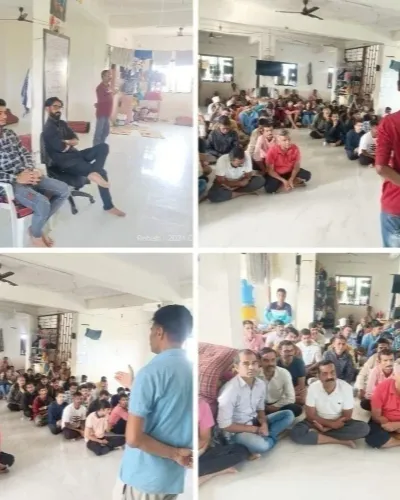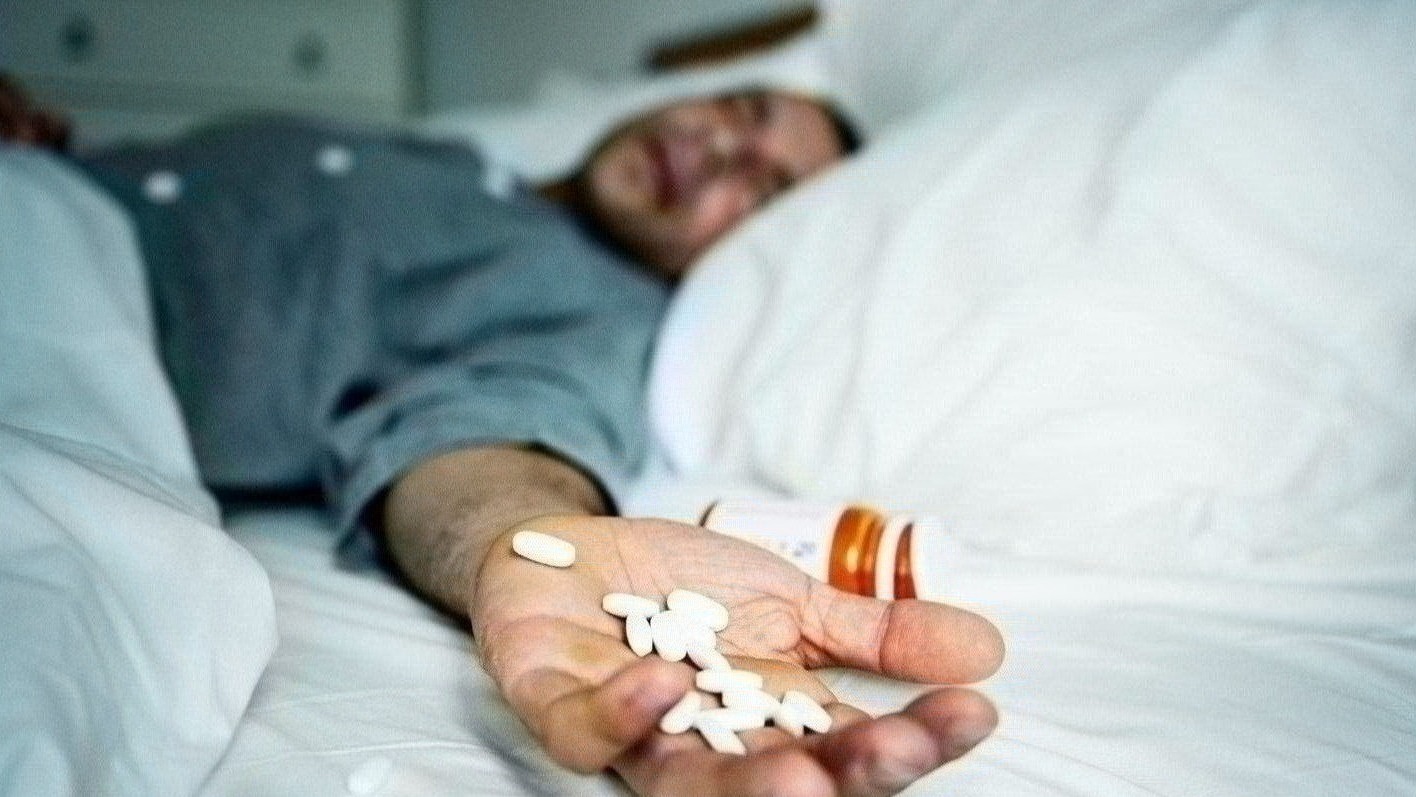
Not everyone struggling with substance use requires the same treatment environment. Some individuals can engage effectively with outpatient counseling, while others may benefit from temporarily living in a structured setting away from familiar triggers and easy access to alcohol or drugs.
Residential de-addiction programs in Thane are designed to provide this higher level of structure while individuals work on recovery.
When Residential Treatment May Be Considered
- Residential rehabilitation may be worth evaluating when:
- Substance use has become frequent or difficult to control
- Previous attempts to stop have repeatedly failed
- The home environment contains strong triggers
- Alcohol or drugs remain easily accessible
- Daily routines have become unstable
- Relationships or employment have been seriously affected
- The individual needs sustained therapeutic structure
- Family members are struggling to manage the situation at home
The decision should still be based on an individual assessment rather than one factor alone.
Why Environment Matters
Recovery becomes harder when a person returns every day to the same places, routines, social groups, or conflicts associated with substance use.
A residential setting creates temporary distance from those influences. It also introduces a predictable daily routine that can include therapy, meals, rest, activities, recovery education, and reflection.
That structure can be particularly useful for individuals whose daily life has become increasingly organized around obtaining, using, or recovering from substances.
Residential Care Is More Than Staying at a Facility
Accommodation by itself does not constitute rehabilitation.
A meaningful Drug Rehabilitation Center program should use the residential period to address behaviour, triggers, coping skills, relationships, and relapse prevention.
Individuals may participate in individual counseling, group sessions, behavioural interventions, family counseling, and structured recovery activities. Treatment plans should also consider how progress made within the facility will transfer to everyday life.
Preparing for Discharge Matters
A controlled environment can reduce exposure to immediate triggers, but individuals eventually need to manage those triggers independently.
Before discharge, recovery planning may therefore address employment, family relationships, social networks, stress management, counseling follow-ups, and warning signs associated with relapse.
For families in Thane and surrounding Maharashtra areas, location can also affect practical family participation and follow-up care.
Aatma De-Addiction and Rehabilitation Center provides residential addiction recovery support in Thane with a focus on structured rehabilitation.
Residential care should not be judged simply by how long someone stays. Its value depends on what happens during that period and whether the individual develops practical skills and support systems that remain useful once regular life resumes.