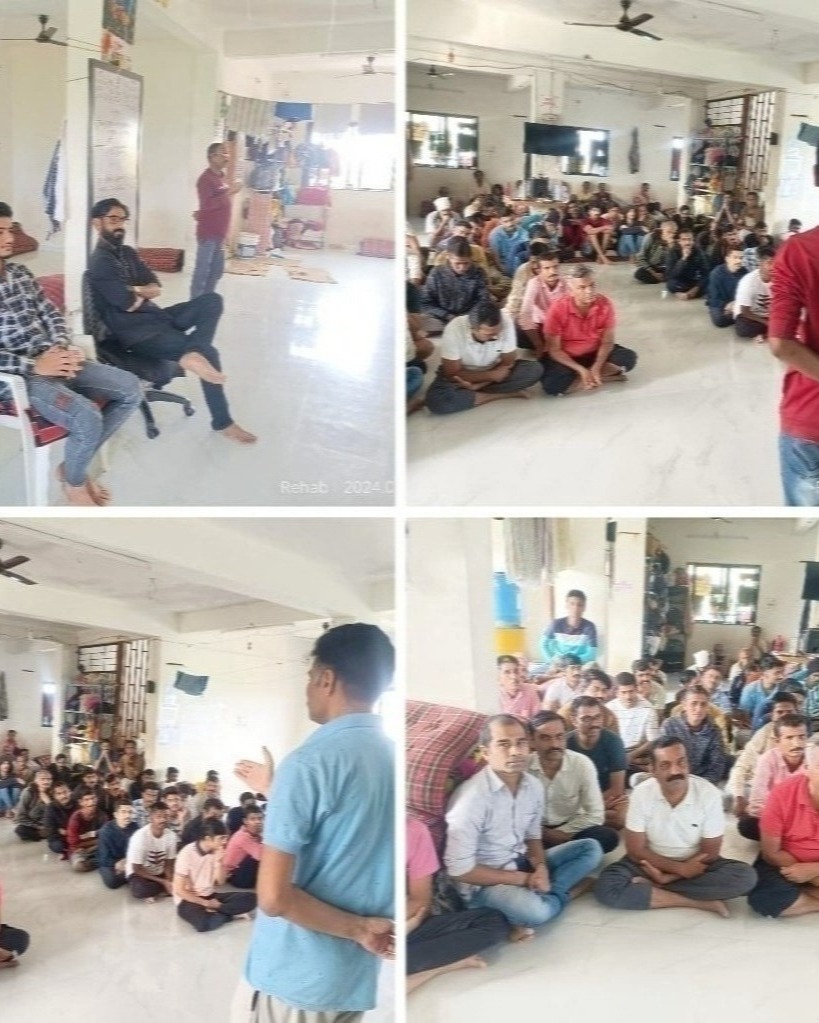
A comprehensive addiction program should do more than separate an individual from alcohol or drugs for a limited period. Sustainable recovery requires attention to physical dependence, behaviour, emotional health, relationships, daily routines, relapse risks, and life after rehabilitation.
When evaluating addiction recovery programs in Thane, individuals and families can look for several connected components.
Assessment and Individual Treatment Planning
Recovery should begin with an understanding of the individual's substance-use history and current circumstances.
The assessment may consider physical health, dependence severity, withdrawal history, emotional well-being, family environment, previous treatment, and personal recovery goals.
This information can guide a personalized treatment plan.
Detoxification When Appropriate
Some individuals may require detoxification before participating fully in rehabilitation.
Detox focuses on the physical transition away from substance use. The appropriate process depends on the substance involved, dependence severity, and individual health considerations.
Individual and Group Therapy
Therapy helps address the behavioural and psychological side of addiction.
Individual sessions can focus on personal triggers, coping strategies, motivation, and recovery goals. Group sessions can provide shared learning, accountability, communication practice, and recovery-focused interaction.
Mental Health and Emotional Support
Substance use can sometimes exist alongside anxiety, depression, trauma-related difficulties, or other psychological concerns.
Where such concerns are identified, mental health support for addiction can become an important part of treatment planning. Addressing only substance use while overlooking significant co-occurring concerns may leave important relapse triggers unresolved.
Family Participation
Family counseling can help relatives understand addiction, improve communication, establish boundaries, and prepare for the individual's return home.
This is particularly relevant when family conflict or enabling patterns have developed around substance use.
Relapse-Prevention Skills
A complete rehabilitation program should help individuals identify personal triggers and create realistic responses to them.
This may involve managing cravings, changing social routines, handling stress differently, recognizing early warning signs, and knowing what action to take when recovery feels unstable.
Aftercare and Continuing Support
Recovery continues after residential treatment.
Follow-up counseling, support groups, structured routines, family involvement, and continuing recovery planning can help individuals navigate the transition back to work, relationships, and everyday responsibilities.
Aatma De-Addiction and Rehabilitation Center in Thane provides structured rehabilitation support designed around different stages of addiction recovery.
For people across Thane and Maharashtra comparing holistic addiction recovery programs, the most useful question is whether the different elements of treatment work together.
Detox can address physical dependence. Counseling can address behaviour and triggers. Family support can improve the recovery environment. Relapse prevention can prepare the individual for difficult situations. Aftercare can provide continuity once formal rehabilitation ends.
Together, these components create a more complete framework for rebuilding daily life around recovery rather than substance use.