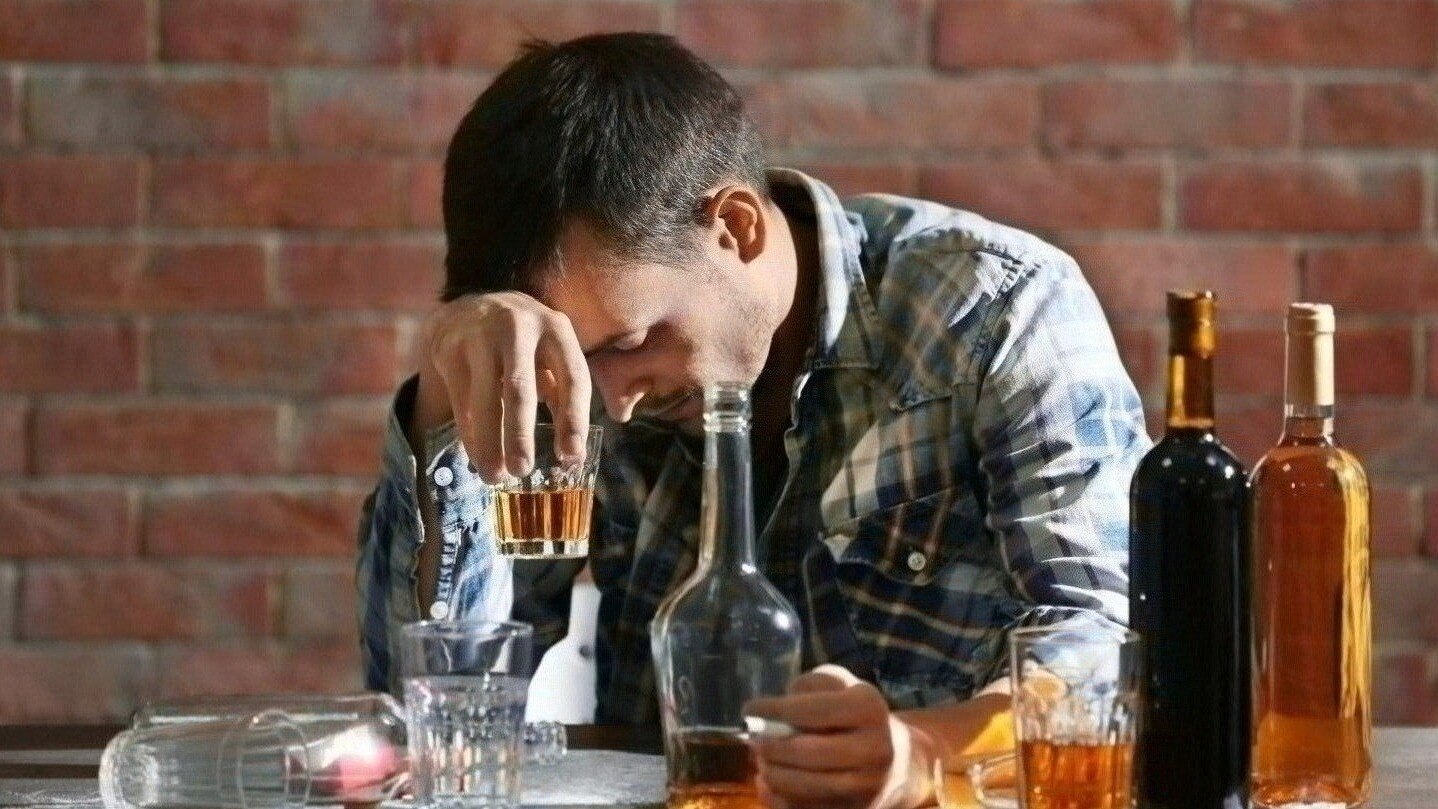
Alcohol withdrawal and intoxication can become medical emergencies, especially after heavy daily drinking or when alcohol is combined with opioids, sedatives or other drugs. You will be able to identify when to call 112, prepare for an urgent assessment, and choose between hospital care, medically supervised detoxification, inpatient rehabilitation and outpatient support.
Key takeaways
- Call 112 for seizures, severe confusion, breathing trouble, or suicidal intent.
- Do not stop heavy drinking suddenly without medical supervision.
- Choose emergency care, inpatient detox, or outpatient support based on withdrawal risk.
- Ask for a written medication, follow-up, and relapse-prevention plan before discharge.
When alcohol-related symptoms require emergency help now
A seizure, fainting, severe confusion, hallucinations, extreme agitation, chest pain, trouble breathing, repeated vomiting, inability to keep fluids down, or suicidal intent needs emergency medical assessment before a rehabilitation admission. Call 112 emergency number India; do not wait for a centre to return your call.
| Situation | Action now | Why it cannot wait |
|---|---|---|
| Seizure, unconsciousness, severe confusion, hallucinations, or suicidal intent | Call emergency services and stay with the person | Injury, delirium, or self-harm can worsen rapidly |
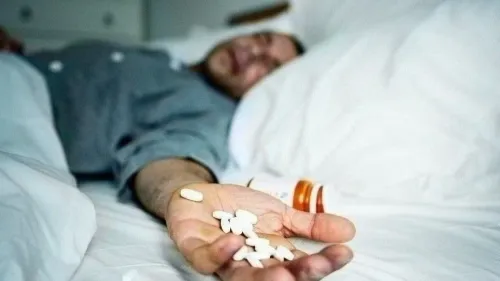
| Slow or stopped breathing, blue or grey lips, pinpoint pupils, gurgling, or inability to wake after opioid use | Treat as an alcohol overdose or mixed-substance overdose; give naloxone if available and call emergency services | Alcohol can conceal opioid poisoning, and breathing can stop |
| Repeated vomiting, chest pain, or severe shaking with sweating and agitation | Call emergency services; do not attempt home detoxification | Dehydration, heart complications, or dangerous withdrawal can develop |
During the next hour:
- Put the person on their side if drowsy or vomiting. Keep the airway clear, loosen tight clothing, and do not give food, drink, alcohol, or tablets to someone who cannot swallow safely.
- During an alcohol withdrawal seizure, protect the head, move nearby objects away, time the seizure, and do not restrain the person or put anything in their mouth.
- Prepare the last drink time and amount, other alcohol or drugs, medicines, medical conditions, allergies, previous seizures or delirium, and the person’s address.
- Unlock the door, keep someone with them, and call again if breathing changes, another seizure occurs, or consciousness falls.
Why stopping heavy drinking suddenly can be unsafe
Withdrawal can begin 6–24 hours after a substantial reduction or last drink. Withdrawal seizures most often occur within 12–48 hours, and delirium tremens usually appears 48–72 hours later. Daily or morning drinking, previous severe withdrawal, seizures or delirium make detox at home unsafe without medical assessment.
Before detoxification begins, give the clinician:
- The time and amount of the last drink, usual daily intake, recent reduction, and any morning drinking.
- Any previous withdrawal seizures, hallucinations, delirium tremens, severe vomiting or hospital admissions.
- All medicines and substances used, especially opioids, sleeping tablets, anxiety medicines and other sedatives. Leftover benzodiazepines are unsafe: combined with alcohol, opioids or sedatives, they can suppress breathing.
- Medical and psychiatric conditions, pregnancy, nutrition, liver disease, diabetes, head injury, suicidal thoughts, and whether reliable supervision is available overnight.
Treatment may use a benzodiazepine, but a clinician must adjust the dose to symptoms and risk. Vital signs, breathing, hydration and mental status need repeated checks. The CIWA-Ar score can support decisions, but it cannot replace clinical judgment when someone is delirious or unable to answer.
Heavy, prolonged drinking also raises the risk of thiamine deficiency and Wernicke encephalopathy. A clinician may give thiamine promptly, especially with malnutrition; suspected Wernicke encephalopathy needs urgent injectable treatment. Never delay emergency care for confusion, a seizure or breathing difficulty.
Choosing the right first level of care near Thane
Choose the setting by answering two questions: Is withdrawal or overdose dangerous now, and can the person stay safe between supervised appointments? A counselling room cannot replace medical monitoring when the answer to either question is no.
| Option | What it means | When it applies |
|---|---|---|
| Hospital emergency department | Immediate medical assessment, stabilisation and transfer if needed | Seizure, unconsciousness, severe confusion, hallucinations, repeated vomiting, breathing difficulty, suspected overdose or serious illness |
| Medical detoxification | Clinician-led withdrawal care with symptom checks, prescribed medicines and emergency escalation | Daily or morning drinking, previous severe withdrawal, withdrawal seizures, multiple substances, pregnancy or unstable health |
| Inpatient alcohol rehabilitation | Residential treatment after or alongside withdrawal care, with continuous structure and relapse-prevention work | Unsafe home supervision, serious psychiatric risk, repeated relapse, unstable housing or need for intensive support |
| Outpatient alcohol treatment | Scheduled medical and therapy appointments while the person lives at home | Stable withdrawal risk, reliable supervision, safe housing and ability to attend every appointment |
| Counselling | Psychological support, motivation, family work and coping strategies | Suitable as continuing care or for lower-risk concerns; not a substitute for detoxification |
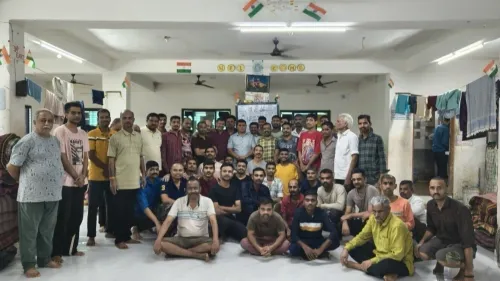
Before choosing alcohol de addiction treatment near Thane, ask who is medically responsible overnight, how often vital signs are checked, and which hospital receives emergencies. Confirm that oxygen and resuscitation equipment are available. Aatma De-Addiction & Rehabilitation Center should be assessed by these same questions, not by a promised programme length.
Do not select inpatient care because it carries a “28-day” label. Match intensity and duration to withdrawal risk, mental and physical health, home support and response, then secure follow-up before discharge.
Related services
alcohol and drugs deaddiction centre alcohol and drugs deaddiction centre At Aatma De-addiction Center, Nashik, we specialize in providing comprehensive care for individuals battling alcohol and drug addiction. |
De-addiction Center "Aatma De-addiction and Rehabilitation Center" It became evident that today’s young generation is increasingly falling prey to the grip of addictive... View service → |
What happens after admission and how much time it takes
Admission starts with a clinical assessment, not a counselling session. The team records the last drink, usual quantity, previous withdrawal seizures or delirium, medical conditions, medicines, opioid use, mental-health symptoms, nutrition and home support. Confirm who is medically responsible overnight, how often vital signs are checked, and which hospital receives patients if complications develop.
1. Withdrawal monitoring begins during detoxification. Staff track pulse, blood pressure, temperature, breathing, alertness, vomiting and tremors, then respond to worsening symptoms. Ask whether oxygen, resuscitation equipment and a qualified doctor are immediately available.
2. Once withdrawal is stable, the alcohol rehabilitation process moves to structured assessment and treatment. This can include individual therapy, group work, relapse-prevention planning, medication review and care for depression, anxiety or other conditions.
3. Residential attendance depends on safety and treatment needs, not a calendar target. The residential rehabilitation duration may be shortened or extended according to withdrawal risk, psychiatric or medical conditions, treatment response, housing and family support.
4. Schedule family counselling during treatment rather than waiting for discharge. Families learn warning signs, communication boundaries, medication responsibilities and what to do after a return to drinking.
5. Before leaving, obtain a written plan with the next appointment, prescriptions and review date, therapy schedule, relapse triggers, emergency contacts and a response to renewed withdrawal or self-harm risk. Arrange follow-up before discharge; recovery care often continues through outpatient visits, counselling or support groups.
Turning detox into lasting recovery and safer discharge
A stable withdrawal score is not recovery. Before discharge, continuing care should include a structured assessment, psychological or behavioural treatment, alcohol relapse prevention, medication review and booked follow-up. There is no fixed 28-day rule: match treatment length and intensity to withdrawal risk, medical or psychiatric conditions, housing, family support and progress.
Before leaving, confirm:
- The medicine plan names doses, side effects, review dates and missed-dose instructions. Ask why naltrexone, acamprosate or disulfiram fits the person’s liver and kidney function, pregnancy status, other medicines and recovery goal.
- Staff asked specifically about heroin, fentanyl, tramadol, codeine, buprenorphine and methadone. Naltrexone can trigger opioid withdrawal and block opioid pain relief, so opioid use or possible surgery needs specialist planning.
- The alcohol relapse prevention plan identifies triggers, cravings, supportive contacts, therapy appointments, peer support and what to do after a lapse.
- Consent, decision-making capacity, confidentiality and access to medical records are documented. Under the Mental Healthcare Act 2017, ask about the least restrictive care, rules for restraint or seclusion, and the complaints process.
- The family and patient receive written diagnoses, medicines, warning signs, appointments and emergency contacts.
The emergency plan must state when to call emergency services: a seizure, inability to wake, severe confusion, repeated vomiting, slow or stopped breathing, blue or grey lips, pinpoint pupils or gurgling after suspected opioid use. Keep naloxone available when opioid overdose is possible, and do not treat continuing care as optional after discharge.
Frequently asked questions
When does alcohol withdrawal require emergency help?
Call 112 for a seizure, fainting, severe confusion, hallucinations, extreme agitation, chest pain, trouble breathing, repeated vomiting, inability to keep fluids down, or suicidal intent.
Why can stopping heavy drinking suddenly be unsafe?
Alcohol withdrawal can become life-threatening, including seizures and severe confusion, so people with heavy or regular drinking patterns need medical assessment before stopping.
How do you choose the right level of alcohol treatment near Thane?
Use emergency care for dangerous symptoms, supervised inpatient detox for significant withdrawal risk, and outpatient support only when symptoms and home support can be managed safely.
What should a safer discharge plan include?
Before discharge, confirm medications, follow-up appointments, family support, warning signs, emergency contacts, and a relapse-prevention plan.
Related service
vyasanmukti kendra व्यसनमुक्ति केंद्र नाशिक आत्मा व्यसनमुक्ती केंद्र, नाशिक आमचे आत्मा व्यसनमुक्ती केंद्र, नाशिक, हे दारू व अमली पदार्थांच्या व्यसनातून मुक्त होण्यासाठी उत्कृष्ट आणि प्रभावी... |