Choosing between counseling and residential care depends on withdrawal risk, psychiatric symptoms, home safety, and whether the person can attend treatment consistently. By comparing the setting, supervision, medical support, daily demands, and follow-up plan, you can identify the least restrictive option that remains safe and effective.
Key takeaways
- Request a clinical assessment covering substance use, withdrawal, mental health, and safety.
- Choose residential care when withdrawal, overdose risk, or an unsafe home makes outpatient care unsuitable.
- Verify residential staff, medical access, medicines policy, emergency procedures, and discharge planning.
- Compare weekly counseling appointments with the continuous structure and time commitment of residential care.
What drug addiction counseling in Thane actually includes
A proper first appointment with drug addiction counseling services in Thane should produce a clinical assessment, not just advice to stop using. The counselor should ask about the substance, amount, route, last use, cravings, previous withdrawal, overdose, physical illness, medicines, pregnancy where relevant, mood, psychosis, suicide risk, housing, family safety, and legal concerns.
1. Expect an individual assessment followed by a written treatment plan. Ask how often sessions occur, whether group counseling and family sessions are available, and whether tele-counseling can supplement in-person visits.
2. Ask how withdrawal and medical risks are handled. For opioid dependence, counseling without buprenorphine, methadone, or another suitable medication can leave a major treatment gap. Confirm whether the service provides medication treatment when indicated or has a named hospital referral pathway.
3. Clarify what happens between sessions: substance-use monitoring, craving and relapse-prevention work, emergency contact procedures, and a plan for suicide, overdose, or sudden withdrawal risk. A single weekly conversation without these safeguards is not a complete outpatient program.
4. Before choosing outpatient care, confirm that you have a safe place to sleep, reliable support, no acute withdrawal or imminent danger, limited access to drugs, and the ability to attend consistently. Repeated relapse, severe cravings, unsafe housing, poor daily functioning, or co-occurring psychiatric symptoms warrant discussion of residential recovery care.
Counseling, outpatient treatment, and residential care are different levels of support
Choosing between addiction counseling versus rehab in Thane depends on how much support you need between appointments, not on the label or location. Counseling-only care suits someone medically stable who can avoid drugs, sleep safely at home, and attend reliably. A full outpatient program adds planned monitoring and coordinated services without requiring overnight residence.
| Option | Supervision and structure | Privacy and living arrangement | Medical access |
|---|---|---|---|
| Counseling-only | One-to-one or group sessions, often weekly; limited supervision between visits | You live at home and face the same family, work, housing, and drug-use triggers | Usually referral-based; confirm access to withdrawal assessment, psychiatric review, and medicines |
| Full outpatient program | Scheduled counseling, relapse-prevention work, substance-use monitoring, family sessions, and a written plan | You keep your home, work, or studies; privacy is higher outside appointments | More coordinated access, but confirm who handles urgent withdrawal, psychiatric symptoms, and opioid medicines such as buprenorphine or methadone |
| Residential treatment | Staff-supervised accommodation, fixed daily routines, frequent clinical contact, and closer observation | You live on site, often with shared spaces and house rules; immediate access to drugs is restricted | On-site medical care varies; verify whether supervised withdrawal, doctor review, emergency transfer, and psychiatric treatment are actually provided |
Residential care is not automatically better. It becomes more appropriate when home is unsafe, relapse continues despite structured outpatient treatment, cravings disrupt daily functioning, or psychiatric symptoms and withdrawal require close observation. A residential bed alone does not prove medical detoxification.
When counseling is a reasonable starting point—and when it is not
Outpatient counseling is a reasonable starting point when the person has stable housing, no acute withdrawal or medical danger, and can attend every appointment. They must also avoid drugs between sessions and accept a safety plan. Location alone does not decide the level of care.
Look for residential recovery care or hospital-based treatment when any of these apply:
- Severe withdrawal risk, previous seizures or delirium, overdose, pregnancy, serious physical illness, or a need for supervised medication.
- Suicidal thoughts, psychosis, uncontrolled mood symptoms, or confusion requiring close observation.
- A home where drugs are used, violence occurs, supervision is absent, or safe recovery is impossible.
- Repeated relapse during properly structured outpatient treatment, severe cravings, missed appointments, or inability to manage food, sleep, work, hygiene, or medicines.
- Opioid dependence without a plan for evidence-based medication such as buprenorphine or methadone; counseling alone can leave a major treatment gap.
Drug addiction counseling services in Thane should therefore begin with an assessment of last use, amount and route, withdrawal history, overdose history, medicines, mental health, housing, and willingness to participate.
| Setting | Suitable when | Warning sign |
|---|---|---|
| Outpatient counseling | Stable home, reliable attendance, manageable risk | Drugs remain accessible between sessions |
| Structured outpatient care | Counseling needs scheduled therapy, family work, and monitoring | Relapse continues despite the structure |
| Residential or hospital care | Continuous supervision, withdrawal management, or environmental separation is needed | A residential bed lacks medical or psychiatric support |
Residential treatment is not automatically better. Use the least restrictive setting that can safely contain the person’s medical, psychiatric, housing, and recovery risks.
What residential recovery care demands and what to verify before admission
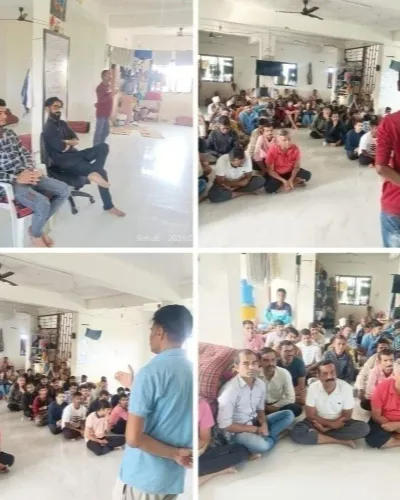
Residential care requires you to live onsite, follow a fixed daily schedule, avoid alcohol and drugs, disclose every medicine and substance used, and take part in counselling, medical reviews, and house rules. It is not simply a locked bed or a short detox; progress depends on honest participation and a plan for returning home.
Before admission, ask a provider offering residential addiction treatment in Thane these questions:
- What withdrawal symptoms require hospital transfer, and who provides medical supervision overnight?
- Which psychiatrist or physician reviews depression, psychosis, trauma, seizures, or suicidal thoughts?
- Will prescribed psychiatric medicines continue, and can the program arrange buprenorphine or methadone for opioid dependence?
- What happens after a relapse, missed session, aggressive incident, or medical emergency?
- How are consent, privacy, family contact, visitors, searches, restraint, and discharge decisions handled?
| Question to ask | A satisfactory answer covers | Why it matters |
|---|---|---|
| Medical care | Named doctor, withdrawal protocol, ambulance or hospital link | A residential bed does not prove medical detox |
| Psychiatric care | Assessment, review frequency, crisis response | Symptoms can worsen during withdrawal |
| Medication policy | Continuation, storage, prescribing, opioid-treatment access | Abrupt stopping can create danger |
| Safety | Staff availability, incident records, no punishment or humiliation | Forced isolation and abuse are warning signs |
| Discharge | Relapse plan, family involvement, follow-up, overdose education | Lost tolerance raises overdose risk after treatment |
If comparing Aatma De-Addiction & Rehabilitation Center with another provider, request these answers in writing before paying or surrendering medicines. A promise of permanent recovery is not a treatment plan.
Compare the real time commitment and plan the transition after treatment
Compare calendars, not slogans: request a written weekly schedule, expected attendance period, travel time, missed work or school, family duties, and follow-up plan before choosing care. Ask how the provider records attendance and changes the plan when cravings, withdrawal, or psychiatric symptoms increase.
| Option | Travel and daily disruption | Family involvement | Treatment length and aftercare |
|---|---|---|---|
| Drug addiction counseling services in Thane | Travel to scheduled sessions; work or school continues if attendance is reliable | Planned family sessions, with consent | Confirm session frequency, review dates, relapse plan, and named follow-up contact |
| Residential addiction treatment in Thane | Continuous stay removes daily travel but interrupts work, school, and home responsibilities | Ask about visiting hours, consent rules, and family education | Request written admission and discharge criteria, expected stay range, step-down care, and follow-up dates |
Do not treat “detox completed” as an end point. For opioid dependence, ask whether medication treatment such as buprenorphine or methadone is available when clinically indicated; lost tolerance after abstinence raises overdose risk if relapse occurs.
Plan the move home before discharge:
- Schedule the first outpatient, medical, or medication appointment before leaving.
- Record who to call after a missed session, renewed use, suicidal thoughts, or overdose risk.
- Arrange a drug-free place to sleep, transport, medication storage, and family boundaries.
- Agree on work or school resumption in stages, rather than assuming immediate full attendance.
- Keep naloxone available where opioid overdose is possible, and learn how to use it.
Judge aftercare by dates, responsible clinicians, contact methods, and escalation steps—not by promises of permanent recovery.
Frequently asked questions
What does drug addiction counseling in Thane include?
A first appointment should assess substance use, amount, route, last use, cravings, withdrawal history, overdose, physical health, medicines, pregnancy where relevant, mood, psychosis, suicide risk, housing, family safety, and legal concerns.
How does addiction counseling differ from residential rehab in Thane?
Counseling provides scheduled professional support while you continue living at home. Residential care provides a structured living environment with ongoing supervision, treatment activities, and recovery planning.
When is counseling a reasonable starting point?
Counseling can be a starting point when withdrawal and overdose risks are assessed, home is safe, and you can attend appointments and follow the treatment plan.
What should you verify before residential addiction treatment in Thane?
Ask about clinical staff, medical access, withdrawal management, emergency procedures, medication storage and administration, family involvement, length of stay, fees, and the plan after discharge.