Families considering professional addiction treatment often have one basic question: what actually happens after someone enters a Drug De-addiction Center in Pune?
The answer depends on the individual's health, substance-use pattern, and treatment needs. Professional de-addiction is generally a structured process that may include assessment, detoxification, counseling, behavioural support, routine building, family involvement, and planning for life after treatment.
Understanding these elements can make the treatment process less unfamiliar for individuals and families in Pune and surrounding areas of Maharashtra.
The Process Starts With Understanding the Individual
A responsible de-addiction program does not begin by assuming that everyone requires identical treatment.
An initial evaluation may consider:
- Type of substance used
- Duration of substance use
- Quantity and frequency
- Previous withdrawal experiences
- Physical health
- Emotional and psychological concerns
- Family circumstances
- Work and social responsibilities
- Previous treatment attempts
These details can guide the development of personalized addiction recovery plans.
For example, someone with long-term alcohol dependence may have very different requirements from a person struggling with prescription medication or another substance.
Detoxification Addresses Physical Dependence
When physical dependence is present, withdrawal may occur after substance use is reduced or stopped. Symptoms depend on the substance and individual circumstances.
A structured drug detox and rehabilitation program allows this stage to be approached with appropriate monitoring and support.
Detox should not be confused with complete addiction treatment. It primarily addresses the immediate physical component of dependence. Psychological triggers and behavioural patterns usually require further treatment.
Counseling Explores Why Substance Use Continues
Substance use can become connected with stress, emotional discomfort, social circles, workplace pressure, family conflict, boredom, or established behavioural patterns.
Counseling provides a setting where individuals can identify these connections.
Substance abuse counseling may help people understand:
- Personal triggers
- Craving patterns
- High-risk situations
- Unhelpful thought patterns
- Consequences of substance use
- Healthier coping mechanisms
- Relapse warning signs
This makes counseling an important component of rehabilitation rather than an optional addition.
Residential Treatment Creates a Controlled Environment
An inpatient drug rehabilitation center provides accommodation and structured treatment within the same setting.
This can reduce immediate exposure to substances, social influences, and environmental triggers. Residential programs may also create more consistency around meals, sleep, therapy, recreation, and daily responsibilities.
For some individuals, temporarily stepping away from their usual environment provides the stability needed to concentrate on recovery.
Family Members May Also Need Guidance
Family members frequently want to help but may not know how to respond effectively.
Some become overly controlling. Others repeatedly protect the individual from the consequences of substance use. Both approaches can create additional difficulties.
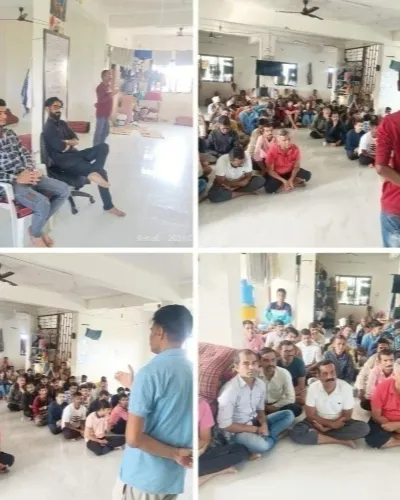
Family counseling can provide practical guidance about communication, boundaries, relapse warning signs, and realistic expectations.
Treatment Should Prepare People for Everyday Life
One of the most important parts of rehabilitation occurs before a person returns home.
A recovery plan may consider how the individual will handle old friends, stressful situations, workplace pressures, celebrations involving alcohol, family conflict, and unexpected cravings.
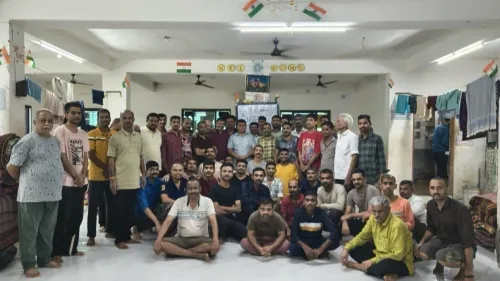
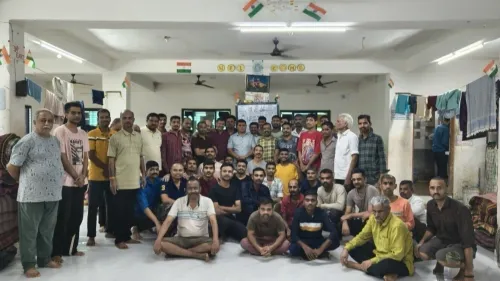
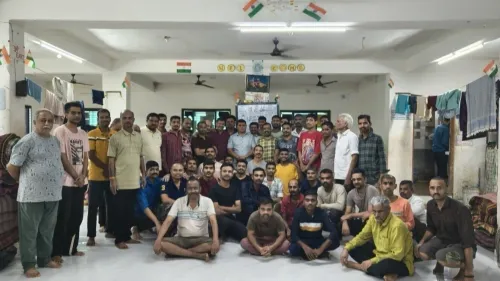
Aatma De-Addiction and Rehabilitation Center in Pune provides structured addiction recovery support designed around individual needs.
For families evaluating de-addiction services in Pune, Maharashtra, it is useful to look beyond admission and detoxification. Effective rehabilitation should help individuals understand their addiction, develop healthier coping strategies, rebuild daily routines, and prepare for maintaining recovery outside the treatment environment.