One of the first decisions families face when considering addiction treatment is whether the individual should enter residential rehabilitation or continue living at home while attending scheduled treatment.
Both inpatient drug rehabilitation and outpatient de-addiction treatment can have a role in recovery. The appropriate choice depends on the severity of substance use, home environment, withdrawal concerns, personal responsibilities, support system, and ability to remain engaged with treatment.
For families in Pune and other parts of Maharashtra, understanding the practical differences can make the decision clearer.
How Inpatient Treatment Works
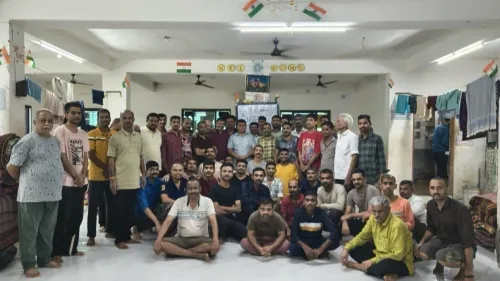
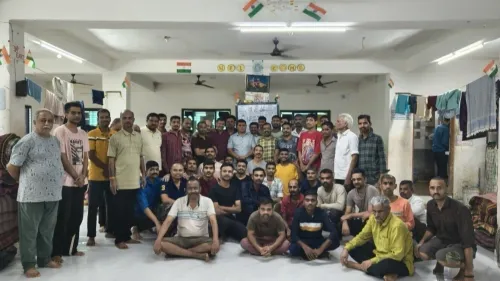
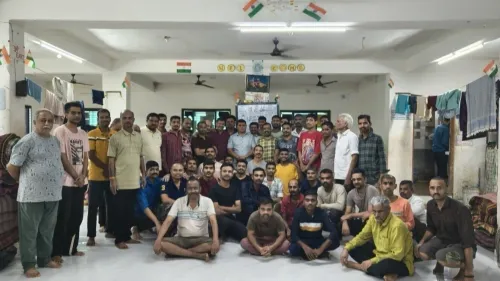
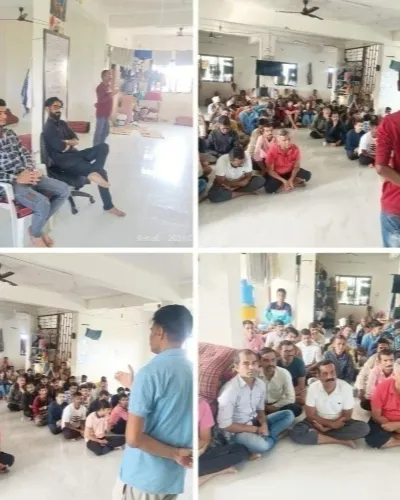
Inpatient treatment involves staying at a rehabilitation facility for a defined period. Treatment, accommodation, counseling, and daily activities take place within a structured environment.
Residential treatment may be useful when a person:
Has repeatedly struggled to stop substance use
Faces frequent substance-related triggers at home
Has an unstable daily routine
Needs a more controlled recovery environment
Has limited support outside treatment
Requires close observation during early recovery
Has experienced repeated relapse
A major advantage is temporary separation from environments where alcohol or drugs are easily accessible.
How Outpatient Treatment Works
Outpatient treatment allows the individual to live at home and attend scheduled counseling, therapy, assessments, or other recovery services.
This model may be appropriate when the person has a relatively stable home environment and can reliably participate in treatment.
It may also allow individuals to continue certain work, education, or family responsibilities.
However, remaining at home means the person continues to encounter everyday triggers. Strong family support and a stable environment can therefore be particularly important.
Which Provides More Structure?
Residential programs generally provide greater day-to-day structure.
Meals, sleep, counseling, activities, and responsibilities can follow an organized routine. For people whose lives have become heavily centered around substance use, rebuilding this routine can be an important part of treatment.
Outpatient care provides greater independence, but the individual must manage much more of their daily recovery outside the treatment setting.
Consider the Home Environment
The home environment can significantly influence the decision.
If substances are readily available, family conflict is severe, or friends associated with substance use frequently visit, outpatient recovery may become more challenging.
By contrast, a supportive household that understands boundaries and recovery needs may make outpatient treatment more workable for suitable individuals.
Treatment Can Change as Recovery Progresses
The choice does not necessarily have to remain fixed.
Some individuals may begin with a residential de-addiction program and later transition to outpatient counseling or aftercare. This creates a gradual movement from a highly structured environment toward greater independence.
Aatma De-Addiction and Rehabilitation Center supports individuals seeking structured addiction treatment in Pune.
Rather than choosing inpatient or outpatient care based only on cost or convenience, families should consider the individual's actual level of need. The most appropriate de-addiction treatment in Pune is one that provides enough structure, therapeutic support, and continuity to address the person's substance-use pattern while preparing them for sustainable recovery in everyday life.