Drug use does not need to reach a crisis before you ask for an assessment. By checking control, cravings, withdrawal risk, health effects and damage to daily life, you can decide whether to seek immediate medical help, a confidential evaluation or structured treatment in Pune.
Key takeaways
- Treatment is worth discussing when use causes harm, loss of control, or safety risks.
- Call emergency services for unconsciousness, breathing trouble, seizures, severe confusion, or suspected overdose.
- Ask each Pune centre about assessment, detox supervision, medicines, family work, and aftercare.
- Use a calm, specific conversation and keep support available when someone refuses treatment.
Does your drug use show a need for treatment?
Experimentation or occasional use does not automatically mean you need residential rehabilitation. Treatment becomes worth discussing when the substance, pattern of use, consequences or safety risks are becoming difficult to manage, regardless of whether you call yourself an “addict.”
Use this self-check:
- Do you use more than planned, feel strong cravings, need increasing amounts for the same effect, or develop withdrawal symptoms such as shaking, sweating, nausea, anxiety or insomnia?
- Have you tried to cut down or stop and failed, or kept using despite missing work or classes, losing money, borrowing funds or damaging a relationship?
- Have you used in unsafe situations, such as driving while intoxicated, mixing substances or using alone when overdose is possible?
One serious sign justifies an assessment, even if you do not use daily. Overdose risk, intoxicated driving or repeated inability to stop should not wait for “rock bottom.” You do not need to prove severe dependence or agree to residential admission before speaking with a clinician.
Before contacting a drug rehabilitation center do i need treatment in pune service, record the substance, amount, frequency, last use, reasons for using and consequences. That information helps a clinician distinguish a brief experiment from a developing substance-use disorder and recommend outpatient care, medication, counselling or a higher level of support.
When is drug use an emergency rather than a routine enquiry?
Call India’s unified emergency number, 112, instead of searching for a rehabilitation bed or arranging a routine consultation if someone has:
- Unconsciousness
- A suspected overdose
- Slow or difficult breathing
- Blue or grey lips
- A seizure
- Severe confusion
- Hallucinations
- Extreme agitation
- Delirium
- High fever
- Imminent suicidal or self-harm risk
Stay with the person and tell emergency clinicians the suspected substance, approximate amount and time of use, if known. Do not make the person vomit, and do not leave them alone. Breathing problems, overdose and sudden mental changes need emergency medical care, not observation at home.
Stopping suddenly also requires medical advice. Alcohol withdrawal can cause seizures, hallucinations or delirium tremens two to four days after the last drink. Opioid withdrawal causes severe distress, while abstinence reduces tolerance; returning to a previously tolerated dose after relapse can trigger overdose.
Ask alcohol addiction help in Pune services whether they provide medically supervised withdrawal and psychiatric assessment.
Withdrawal management is not the same as completing addiction treatment. After stabilisation, continuing care can include medication, counselling, relapse-prevention work and follow-up.
What happens during a first assessment and what treatment level fits?
A useful first assessment at a drug de addiction center in Pune is confidential and specific. The clinician records substances, dose, frequency, route and last use; checks intoxication and withdrawal; performs a physical examination; reviews medicines and medical history; assesses suicide risk; and screens for depression, anxiety, trauma, psychosis and other substance use.
| Option | What it means | When it fits |
|---|---|---|
| Medically supervised detoxification | Monitored withdrawal care | Withdrawal or medical risk |
| Outpatient counselling | Scheduled therapy without admission | Medical stability and reliable support |
| Intensive outpatient care | Several treatment sessions weekly | More support without residential stay |
| Residential rehabilitation | 24-hour structured living and therapy | High withdrawal or overdose risk, unsafe home, repeated outpatient failure, or structured psychiatric support |
| Psychiatric treatment | Diagnosis and treatment of co-occurring mental illness | Depression, psychosis, trauma or severe anxiety |
| Mutual-help groups | Peer recovery meetings | Ongoing support alongside treatment |
| Family intervention | Guided communication and boundary planning | Family conflict, denial or unsafe patterns |
Medication is legitimate treatment, not a lesser option. After clinical assessment and within prescribing rules, a clinician may consider naltrexone or acamprosate for some alcohol-use-disorder patients, or buprenorphine or methadone for some opioid-use-disorder patients.
Outpatient care can suit someone medically stable with dependable support. Detox is only the first stage; relapse-prevention counselling, medication when indicated, mutual-help support and follow-up sustain recovery. Rescue planning matters if risk changes.
How should you compare a Pune rehabilitation centre before admission?
Ask every drug rehabilitation center in Pune for written answers before admission. Compare residential treatment with outpatient care: residential care takes you away from work, family and daily responsibilities; it is not automatically better.
| Option | Strength | Cost and fit |
|---|---|---|
| Residential | Continuous structure and monitoring | Time away from ordinary responsibilities; suits unsafe homes or higher risk |
| Outpatient | Treatment while living at home | Requires medical stability, reliable support and safe housing |
Use this checklist:
- Who manages withdrawal? Is a physician and psychiatrist available, and do medical staff cover 24 hours?
- How are emergencies transferred to a named hospital? Is medication-assisted treatment, such as buprenorphine, methadone, naltrexone or acamprosate when clinically appropriate, prescribed and monitored?
- What do individual and family therapy sessions include?
- How do relapse-prevention sessions, follow-up and aftercare continue after discharge?
- What total stay is expected, what is the full fee, and what extra charges apply?
- What are the visiting rules, restrictions, confidentiality terms and consent process?
- Who writes the discharge plan, and what happens after a lapse or relapse?
Reject “100% cure” promises, punishment or isolation, forced admission, guaranteed secrecy, unexplained medicines and any centre without a psychiatric emergency plan. There is no guaranteed number of treatment days.
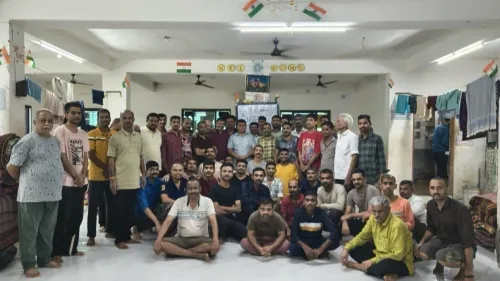
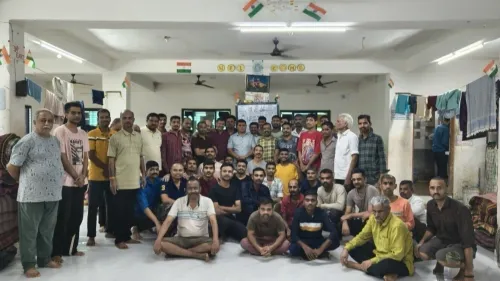
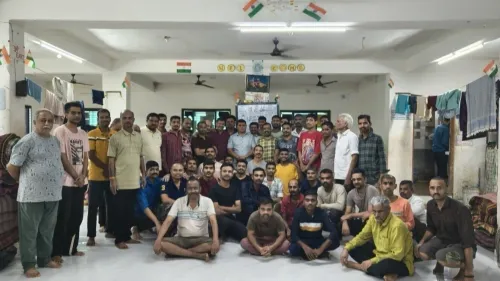
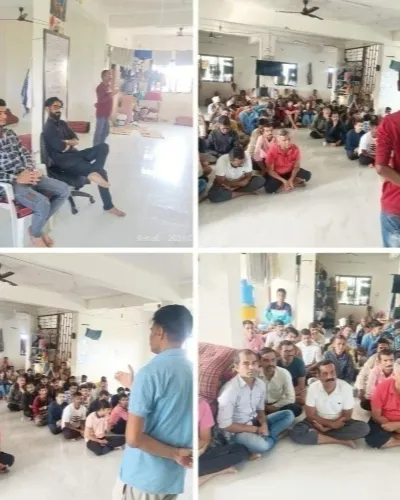
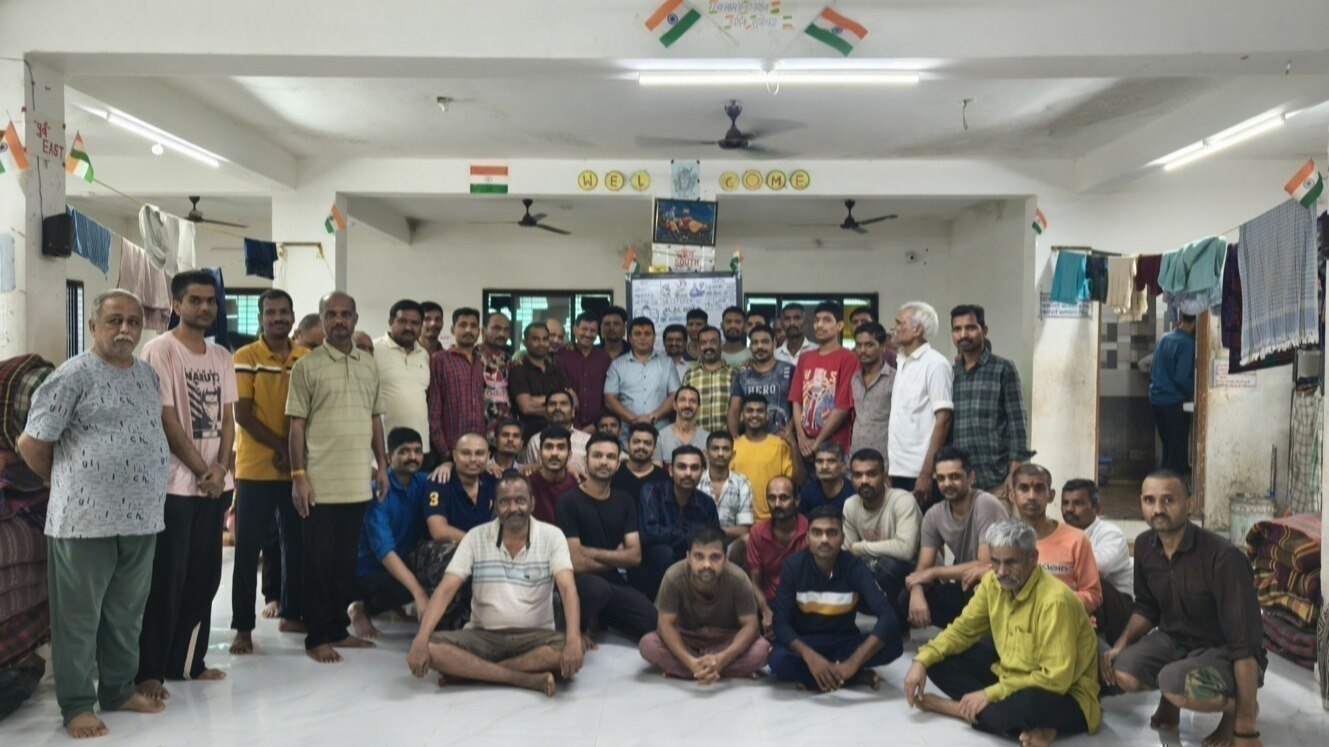
A Pune reader may contact Aatma De-Addiction & Rehabilitation Center to ask these questions, but confirm current location and services: its published information identifies Nashik rather than Pune.
Related services
alcohol and drugs deaddiction centre alcohol and drugs deaddiction centre At Aatma De-addiction Center, Nashik, we specialize in providing comprehensive care for individuals battling alcohol and drug addiction. |
De-addiction Center "Aatma De-addiction and Rehabilitation Center" It became evident that today’s young generation is increasingly falling prey to the grip of addictive... View service → |
What can families do when someone refuses treatment?
Respond with facts, not labels. Choose a sober, private moment and describe concrete effects: missed work, money problems, injuries, secrecy, sleep changes or failed attempts to stop. Offer a confidential screening or brief appointment, then ask what help feels acceptable rather than demanding residential admission.
- Record the substance, amount, timing and consequences.
- Reduce access to alcohol or drugs where you can do so safely.
- Arrange an appointment and ask whether family sessions are available.
- Never hide medicine in food, physically restrain an adult, or abruptly stop prescribed psychiatric or opioid-treatment medicines.
| Option | What to ask | Why it matters |
|---|---|---|
| Consent | How is capacity assessed, and when can treatment proceed without consent? | Under India’s Mental Healthcare Act, 2017, family preference alone does not justify involuntary admission. |
| Rights | How are complaints, discharge and family contact handled? | Adults with decision-making capacity generally retain treatment decisions. |
| Continuing care | What happens after detox, and how are lapses handled? | Recovery has no guaranteed number of days; care may include medication, counselling, mutual-help meetings and follow-up. |
Tele-MANAS at 14416 or 1-800-891-4416 offers mental-health support and referral. Emergencies require 112: call for overdose, dangerous withdrawal, severe confusion, seizure, breathing trouble or immediate self-harm risk.
Frequently asked questions
How do I know whether I need drug treatment in Pune?
Consider treatment when drug use causes health, work, financial, legal, or relationship problems; you cannot cut down; cravings dominate your day; or stopping causes withdrawal. A clinical assessment can identify the right level of care.
When is drug use an emergency?
Get urgent medical help for unconsciousness, slow or difficult breathing, blue or grey lips, seizures, severe chest pain, extreme agitation, or suspected poisoning. Do not leave the person alone or make them vomit.
What happens during a first drug-treatment assessment?
A clinician asks about substances, dose, frequency, last use, withdrawal, mental health, medical conditions, medicines, safety, and home support. The team then recommends outpatient care, supervised withdrawal, residential rehabilitation, or another service.
How should I compare a drug rehabilitation centre in Pune?
Ask about clinical staffing, withdrawal monitoring, emergency arrangements, written fees, admission rules, family involvement, relapse planning, confidentiality, and continuing care. Request licences and qualifications before admission.
What can families do when someone refuses addiction treatment?
Choose a calm time, describe specific effects without labels, ask what help feels acceptable, set safety and financial boundaries, and keep contact open. Seek professional guidance for overdose risk, violence, or severe withdrawal.
Related service
vyasanmukti kendra व्यसनमुक्ति केंद्र नाशिक आत्मा व्यसनमुक्ती केंद्र, नाशिक आमचे आत्मा व्यसनमुक्ती केंद्र, नाशिक, हे दारू व अमली पदार्थांच्या व्यसनातून मुक्त होण्यासाठी उत्कृष्ट आणि प्रभावी... |