Residential care is not automatically safer or more effective than outpatient treatment, and detox alone does not protect someone from relapse. Families can use withdrawal risk, psychiatric symptoms, home conditions, clinical staffing, patient rights and the full cost of care to choose the right level of support and prepare for admission.
Key takeaways
- Choose a hospital first for overdose, severe withdrawal or immediate psychiatric danger.
- Compare residential, outpatient and psychiatric care against medical and supervision needs.
- Ask to review licences, emergency plans, medication policies and patient rights before admission.
- Plan follow-up appointments, trigger management and family boundaries before discharge.
When an Emergency Requires a Hospital, Not Rehabilitation Admission
Do not take someone straight to residential rehabilitation if they are medically or psychiatrically unstable. A family comparing a drug de addiction center in pune should choose a hospital first when urgent assessment, monitoring or treatment is needed.
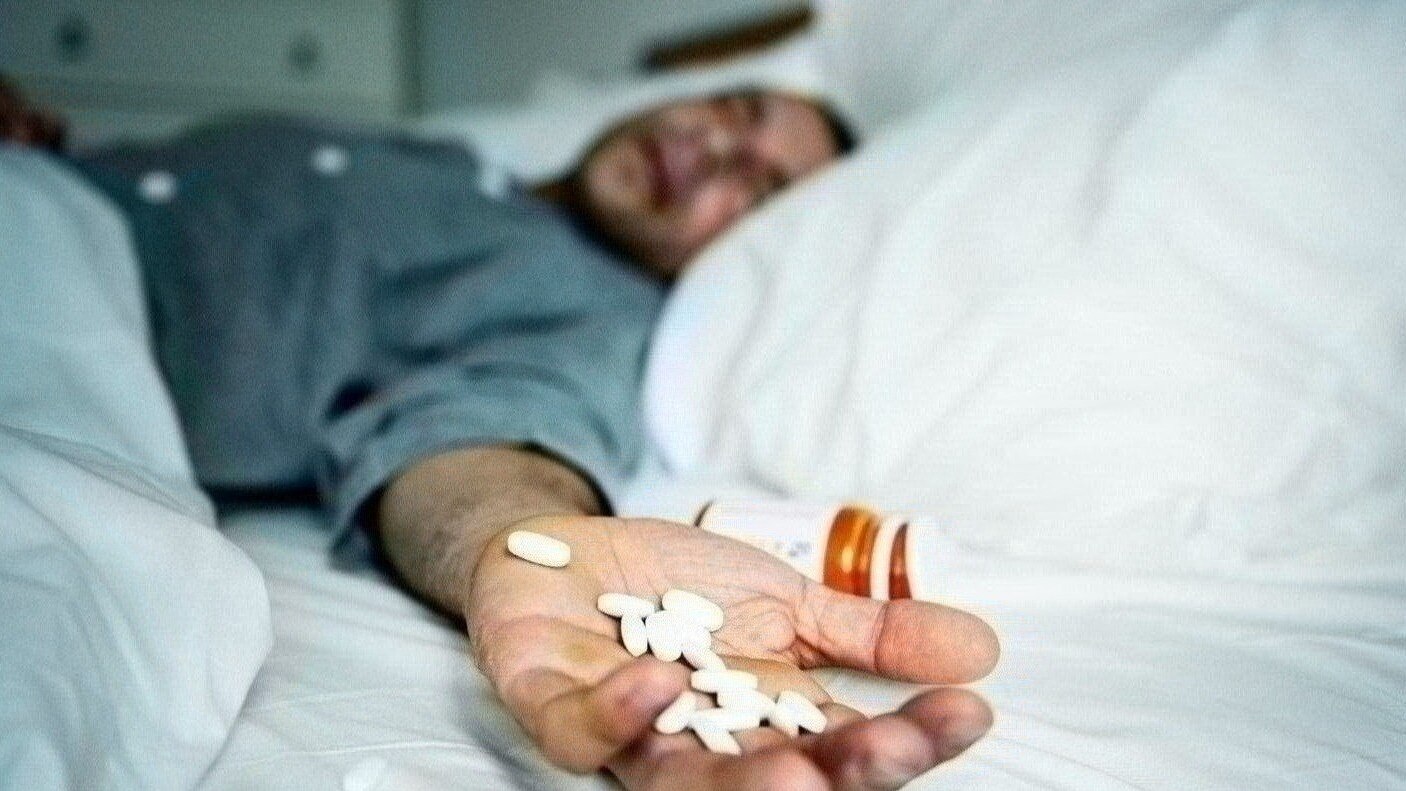
- Call emergency services for unconsciousness, slow or stopped breathing, blue lips, suspected overdose, a seizure, chest pain, severe injury or repeated vomiting. Give naloxone for a suspected opioid overdose if available, but still seek emergency care: its effect can wear off while respiratory depression returns.
- Choose hospital care for alcohol withdrawal with seizures, hallucinations, severe confusion, fever, extreme agitation or suspected delirium tremens. Abruptly stopping heavy, prolonged alcohol use can become life-threatening.
- Request psychiatric admission for an immediate suicide plan, a recent attempt, inability to stay safe, severe psychosis, mania, violent behaviour or profound confusion. Do not rely on restraint or locked residential supervision to manage an acute crisis.
- Seek medical admission for serious liver, heart, breathing or infection-related illness, pregnancy complications, head injury or uncontrolled diabetes alongside substance use.
After stabilisation, ask the hospital for a written discharge plan and medication list. A residential center should explain its emergency-transfer procedure before admission, including who provides medical monitoring and when transfer occurs.
Choosing Between Residential, Outpatient and Psychiatric Care
Residential care fits when substance use is unsafe or impractical to manage at home, yet the person does not need hospital-level medical or psychiatric treatment. Base the decision on withdrawal risk, overdose history, medical and psychiatric conditions, housing, family support, motivation, and the ability to attend scheduled care.
| Option | Appropriate when | Main limitation |
|---|---|---|
| Residential | The person needs a substance-free setting, daily structure, supervision, or distance from triggers | It is not equipped for delirium, severe withdrawal, serious illness, or acute psychosis unless it has hospital support |
| Outpatient or intensive outpatient | The person is medically stable, has reliable housing and transport, and can attend therapy, medication reviews, and testing | Missed sessions, continued access to drugs, or an unsafe home can quickly undermine treatment |
| Hospital-based psychiatric care | There is acute psychosis, suicidal intent, mania, delirium, seizures, overdose, or serious medical illness | It stabilises the crisis but does not replace continuing addiction treatment |
Before choosing a drug de addiction center for families in Pune, ask for documented screening for depression, bipolar disorder, trauma, cognitive impairment, and suicide risk. Confirm qualified medical and mental-health staff, medication records, emergency-transfer arrangements, and a written plan if the resident relapses, becomes violent, leaves early, or needs a higher level of care.
A dormitory and strict rules do not prove clinical suitability.
What Happens During Assessment, Admission and Withdrawal Management
Admission should follow a clinical assessment, not bed availability. During the first call, give the person’s substance, amount, last use, previous withdrawal, seizures, medical conditions, medicines, mental-health symptoms and current location. Ask whether a doctor can assess the person before arrival and where emergencies are transferred.
Expect the assessment to include:
- Physical examination, vital signs, intoxication and withdrawal risk, and tests ordered for relevant medical problems.
- Psychiatric assessment covering suicidal thoughts, psychosis, violence risk, cognitive capacity and coexisting depression or anxiety.
- Review of housing, family support, motivation and whether outpatient treatment is realistic.
- Written consent, admission and discharge rules, medication arrangements, fees for medicines, tests and transfers, and a named family contact.
- Copies of identification, prescriptions, medical records and previous treatment summaries, if available.
A safe withdrawal plan records observations and uses a recognised withdrawal scale, such as the Clinical Institute Withdrawal Assessment for Alcohol Scale, Revised (CIWA-Ar), when alcohol withdrawal is being monitored. Medication decisions require qualified medical oversight; staff must not promise that counselling or restraint can control severe withdrawal.
Arrange hospital transfer for seizures, delirium, unstable vital signs, severe vomiting or dehydration, suspected overdose, serious medical illness, suicidal intent, psychosis or escalating aggression. Ask what happens if the person leaves, relapses or needs higher-level care, and request the emergency-transfer procedure in writing.
What to Expect During a Residential Stay—and What Rights Remain
Daily residential life usually follows a written schedule: medication rounds, meals, individual or group therapy, skills work, recreation, chores, sleep and overnight checks. Ask how staff record attendance, mood, withdrawal symptoms, incidents and changes in risk.
Before admission, ask a drug rehabilitation center in Pune to show you:
- Which doctor, nurse and mental-health professionals are available, and how often they review residents.
- The consent form, admission and discharge rules, medication chart, side-effect process and emergency-transfer plan.
- How staff respond to relapse, absconding, aggression, suicidal thoughts, delirium or a request to leave.
- Whether communication limits have a clinical reason, a time limit and a review date; isolation from family must not become punishment.
- How residents complain privately, report abuse, contact a nominated representative and obtain help without retaliation.
- When restraint or seclusion is permitted, who authorises it, how long it lasts and how the incident is reviewed.
A family’s payment does not give a center unlimited power to detain an adult. Under the Mental Healthcare Act, consent, capacity, supported admission, review, nominated representatives and discharge rights require proper handling. Confirm that safeguarding includes privacy, informed medication decisions and protection from physical, sexual and financial abuse.
How Families Support Recovery After Admission
Admission is a pause from substance use, not proof that recovery is complete. Keep contact predictable, respect the person’s consent and communication limits, and ask the treatment team how relatives can participate without becoming monitors or rescuers.
1. Agree on communication: set call times, avoid arguments about blame, and discuss one practical topic at a time. Share observations with staff privately if safety or relapse concerns arise.
2. Attend family sessions. Learn the person’s triggers, warning signs, prescribed medicines, refusal plan, overdose response, and the steps for urgent psychiatric or medical help.
3. Plan the return home before discharge. Remove alcohol, drugs and related items; identify safer friends and places; arrange transport, sleep, meals and supervision without treating the adult like a prisoner.
4. Put work or study in writing: start date, reduced hours, leave documentation, transport, exam deadlines and a contact person for setbacks. Confirm follow-up with an addiction psychiatrist, counsellor or outpatient programme, medication supply and appointment dates.
Do not accept “complete” discharge paperwork that says only “avoid drugs.” Request a written aftercare plan naming family roles, relapse warning signs, emergency numbers and the next review. If the old home environment remains unsafe, discuss supported accommodation or delayed discharge. A relapse signals that the plan needs review, not that treatment was pointless.
How to Compare Pune Centers, Safety Plans and the Real Cost
A site visit should produce named clinicians, written procedures and a total episode price—not merely a bed. Ask a drug addiction treatment center in Pune who assesses admissions, how often doctors and psychiatrists review residents, and how withdrawal, medical, psychiatric and overdose risks are documented.
Calling a facility an affordable drug de addiction center in Pune does not excuse missing safeguards. Apply the same questions at Aatma De-Addiction & Rehabilitation Center.
| Area | Ask | Warning sign |
|---|---|---|
| Clinical quality | Which qualified staff provide reviews, counselling and medication management? | No names, licences or review schedule |
| Emergency readiness | What triggers hospital transfer for seizures, delirium, collapse, suicidality, psychosis or violence? | Restraint or seclusion is the only plan |
| Transparency | Can we see admission, discharge, medication and incident-review procedures? | Staff refuse written policies |
| Real cost | Does the quote include assessment, withdrawal care, medicines, tests, psychiatrist visits, family sessions, transfers and follow-up? | A low bed charge hides separate bills |
- Ask what happens if a resident leaves early, relapses, becomes violent or needs a higher level of care.
- Ask about naloxone education and overdose response. Naloxone temporarily reverses opioid overdose; emergency medical care remains necessary.
- Compare government or grant-supported options by eligibility, waiting time and included services, not by advertised price alone.
Frequently asked questions
When does a drug-related emergency require a hospital instead of rehabilitation admission?
Choose a hospital for suspected overdose, unconsciousness, breathing difficulty, seizures, severe confusion, chest pain, delirium, suicidal intent or violent psychiatric behaviour. Hospitals provide urgent assessment, monitoring and medical treatment that a rehabilitation programme may not provide.
How should a family choose between residential, outpatient and psychiatric care?
Choose residential care when the person needs a structured, supervised setting away from drugs. Choose outpatient care when home is safe and the person can attend scheduled treatment. Choose psychiatric care when psychosis, severe depression, mania, suicidal risk or another mental-health condition requires specialist evaluation.
What happens during assessment, admission and withdrawal management?
The team should assess substance use, last dose, medical history, psychiatric symptoms, medicines, overdose risk and withdrawal risk. Admission includes consent, belongings and medication procedures, while withdrawal management uses observation and treatment matched to the substance and symptoms.
What rights remain during a residential rehabilitation stay?
Residents retain rights to dignity, privacy, clear information about treatment, informed consent, safe care, communication subject to lawful policies, complaint procedures and access to emergency medical treatment. Ask for these rules in writing before admission.
How can families support recovery after admission?
Attend family sessions, stop rescuing or funding substance use, agree on communication and home rules, remove alcohol and drugs from the home, arrange follow-up care and respond to relapse signs with a clear safety plan.