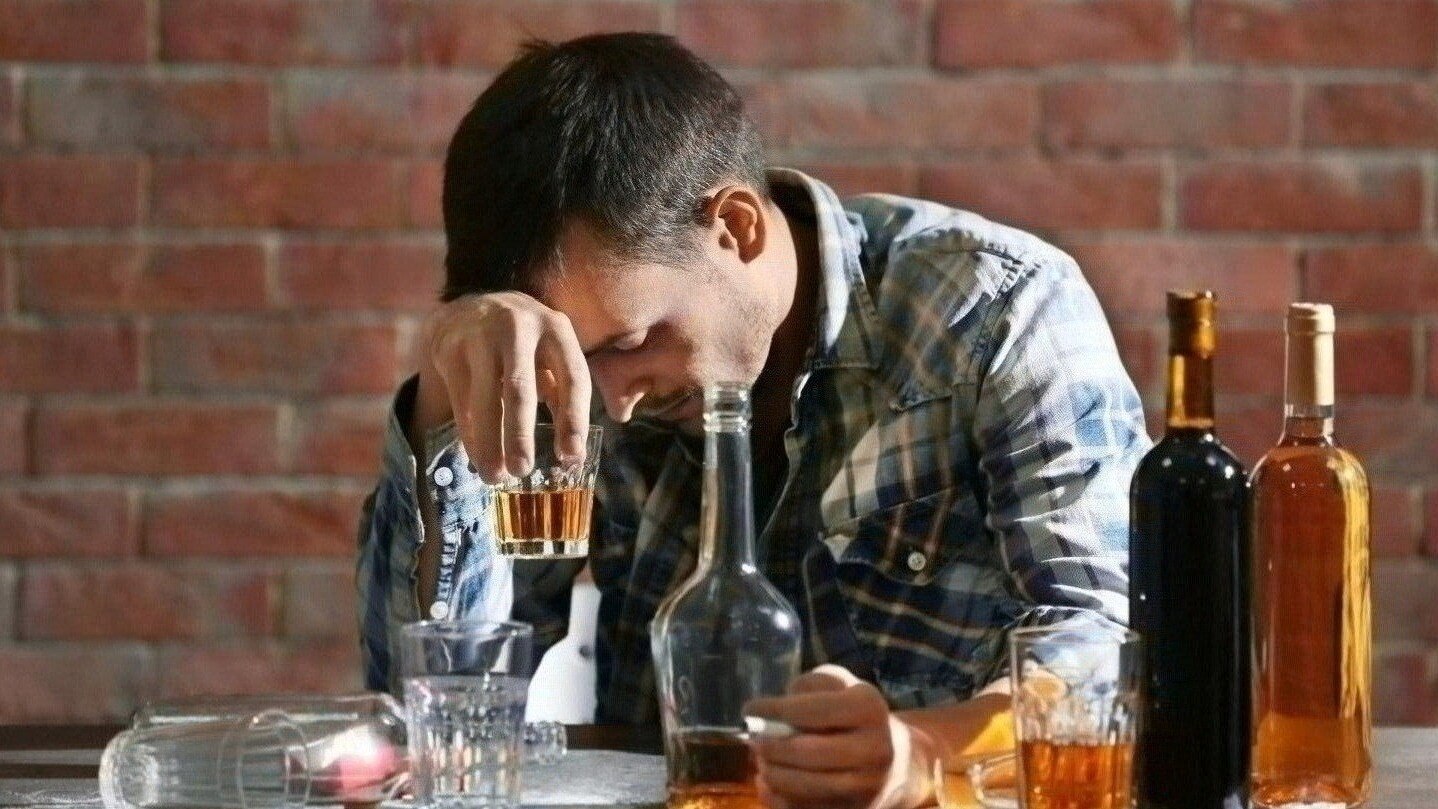
Stopping heavy alcohol use suddenly can trigger seizures, delirium, and other medical emergencies, so a rehabilitation bed is not always the safest first destination. You will learn how to identify emergency warning signs, decide when residential care is appropriate, and check whether a Pune facility can manage withdrawal safely before admission.
Key takeaways
- Call 112 for seizures, unconsciousness, breathing problems, chest pain, or severe confusion.
- Move beyond outpatient counselling when withdrawal symptoms, relapse, or unsafe home conditions persist.
- Ask facilities about medical oversight, admission timing, detox plans, and continuing recovery care.
- Choose treatment that connects detoxification with counselling, family support, and relapse prevention.
When alcohol withdrawal requires an emergency hospital
Call 112 or go to an emergency department if someone stopping alcohol has a seizure, loses consciousness, cannot breathe normally, has chest pain, or becomes severely confused. Do not take that person straight to a routine rehabilitation facility.
Get emergency help immediately for any of these signs:
- Hallucinations, severe agitation, violent behaviour, or inability to stay safe
- Repeated vomiting, fainting, or dangerously abnormal breathing
- Suicidal thoughts, a suicide attempt, or threats to harm another person
- New confusion, extreme drowsiness, poor coordination, or trouble walking
- Confusion with unsteady walking or abnormal eye movements, which can indicate Wernicke encephalopathy
- A seizure, even if it stops before help arrives
| Situation | Action now | Why |
|---|---|---|
| Mild tremor, sweating, anxiety, nausea | Arrange urgent medical assessment | Symptoms can worsen after stopping alcohol |
| Previous withdrawal seizure, severe withdrawal, or major medical illness | Use hospital-based withdrawal care | A residential counselling programme may lack emergency monitoring |
| Seizure, delirium, suicidal intent, breathing trouble, or unconsciousness | Call 112 or attend an emergency department | These problems require emergency treatment |
Withdrawal can begin within 6 to 24 hours after the last drink; seizures often occur within 12 to 48 hours, and delirium can follow later. Do not leave the person alone or give sedatives without medical direction.
After emergency treatment and medical clearance, a residential programme can provide structured alcohol addiction help in Pune. Ask who monitors vital signs, assesses withdrawal overnight, and transfers patients to hospital if symptoms return.
How to tell when outpatient counselling is no longer safe
Outpatient counselling is no longer safe when withdrawal risk, medical or psychiatric instability, or the home setting makes reliable monitoring impossible. Residential alcohol treatment in Pune is more suitable after a clinician’s assessment, not simply because drinking has continued.
1. Choose residential care when the person has had a previous withdrawal seizure, delirium, severe tremors, or repeated difficult withdrawals. Withdrawal severity can increase after repeated episodes.
2. Choose a higher level of care when heavy drinking continues despite liver disease, diabetes, pregnancy, falls, blackouts, or dangerous medication interactions. Co-use of opioids, sedatives, or other drugs also makes unsupervised withdrawal unsafe.
3. Arrange residential assessment when depression, psychosis, suicidal thoughts, aggression, poor judgement, or inability to manage basic self-care is present. The facility must decide whether hospital psychiatric or medical care is needed instead.
4. Look at the home, not only the diagnosis. Outpatient care is a poor fit when nobody can stay with the person, alcohol remains easily available, the household is violent or unstable, transport is unreliable, or family members cannot recognise worsening withdrawal.
5. Ask for an admission assessment covering current alcohol intake, previous withdrawal, medicines, other substances, physical illness, nutrition, and mental health. Clinicians should assess thiamine deficiency; confusion, unsteady walking, or abnormal eye movements require urgent medical attention rather than routine oral vitamins alone.
If you are searching for alcohol de addiction treatment residential help in pune, ask whether the programme provides medically monitored withdrawal, psychiatric review, and a written plan for continuing treatment. A rehabilitation bed is not a substitute for emergency hospital care when the person cannot stay safe.
What happens during a rapid residential admission
A rapid admission should begin with a clinician’s phone assessment, not simply confirmation of a vacant bed. Expect questions about the last drink and usual amount, previous withdrawal seizures or delirium, medical and psychiatric conditions, pregnancy, other drugs, current medicines, allergies, suicidal thoughts, housing and family supervision.
A seizure, severe confusion, hallucinations, unconsciousness, breathing difficulty, chest pain, suicidal intent or violent behaviour requires emergency hospital care, not direct transfer to a rehabilitation bed.
Have these details ready:
- Government photo identification and emergency-contact details
- Current prescriptions, allergies and recent medical reports
- Previous detoxification, seizure or hospital records
- The person’s consent, or information about who can legally make decisions if capacity is impaired
- Insurance or payment details, plus written fees, expected stay and discharge conditions
Agree on transport before leaving home. Ask whether staff will accompany the person, what happens if withdrawal worsens en route, and which hospital receives emergencies. Do not use force or transport someone who cannot stay safe without emergency services.
At admission, clinicians check vital signs, mental state, hydration, injuries, blood glucose and withdrawal severity, then decide on blood tests, thiamine and medical escalation. During the first 24 hours, expect repeated observations, medication review, symptom scoring, sleep and fluid checks, and documented reassessment.
Alcohol de addiction treatment in Pune should make the monitoring plan and emergency-transfer route clear.
How to compare residential facilities before choosing one
A bed is not enough. Before choosing residential alcohol treatment in Pune, ask whether the person needs hospital withdrawal management, medically monitored detoxification, or clinically managed rehabilitation. Request written answers, not a promise of a fixed cure or permanent abstinence.
| Question | What a credible answer should specify | Warning sign |
|---|---|---|
| Medical | Who examines the patient; vital-sign and withdrawal checks; medicines; thiamine assessment; management of seizures or suspected Wernicke encephalopathy | “Counselling only” presented as medical detox |
| Psychiatric and safety | Screening for depression, psychosis, suicide risk and violence; 24-hour observation; staff trained for emergencies | No overnight clinical coverage |
| Consent and privacy | Patient consent, capacity assessment, privacy rules, and the policy on restraint or forced medication | Family is told consent is unnecessary |
| Family and visitors | Family updates, counselling, visiting hours, phone access and confidentiality limits | No clear contact or visitor rules |
| Fees and discharge | Itemised fees, deposit, length-of-stay basis, medicines and discharge criteria in writing | Vague charges or guaranteed outcomes |
| Hospital transfer | Named receiving hospital, ambulance procedure and who decides transfer during seizures, delirium or breathing problems | “We handle every emergency here” without medical details |
For an alcohol drug deaddiction centre in Pune, verify these answers by speaking with the admitting clinician, not only an intake coordinator.
With Aatma De-Addiction & Rehabilitation Center, ask directly who provides overnight coverage, how withdrawal observations are recorded, which hospital receives emergencies, and whether the consent, visitor, fee and discharge policies can be read before admission.
Why detoxification must lead into continuing treatment
A clear head after withdrawal is a starting point, not a recovery plan. Before discharge from acute care, a clinician should reassess drinking history, previous withdrawal, physical illness, psychiatric symptoms, other substance use, housing and family support, then decide whether continued residential treatment is safe and necessary.
A continuing residential plan should document:
- A named clinician who will review progress and co-occurring depression, anxiety, trauma or other psychiatric symptoms.
- Psychological treatment focused on triggers, cravings, coping skills, motivation and relapse prevention.
- Thiamine assessment and treatment when clinically indicated; suspected Wernicke encephalopathy needs urgent parenteral treatment, not oral vitamins alone.
- A medication discussion covering acamprosate, naltrexone or disulfiram when appropriate. The choice depends on liver and kidney function, opioid use, treatment goals and supervision. Disulfiram can cause a dangerous reaction after alcohol.
- Family education, consent-based involvement and a plan for alcohol-free housing, work and social routines.
Benzodiazepines can prevent or treat significant withdrawal, but they require clinical monitoring for oversedation, breathing problems, falls and misuse. They do not replace longer-term alcohol-use-disorder treatment.
Before leaving, obtain a written follow-up date, medication instructions, counselling or mutual-support arrangements and a response plan for a lapse or renewed withdrawal symptoms. That is what turns alcohol addiction help in Pune and alcohol de addiction treatment in Pune into continuing care rather than a short detox stay.
Frequently asked questions
When does alcohol withdrawal require an emergency hospital?
Call 112 or go to an emergency department for a seizure, loss of consciousness, abnormal breathing, chest pain, or severe confusion. Do not take the person directly to a routine rehabilitation facility.
How can you tell when outpatient counselling is no longer safe?
Residential help deserves consideration when the person cannot remain abstinent between appointments, has repeated relapses, experiences withdrawal symptoms, lacks reliable supervision, or lives in an environment where alcohol is readily available.
What happens during a rapid residential admission?
Staff assess alcohol use, withdrawal risk, physical health, mental health, medications, and immediate safety. The team then creates an initial care plan covering supervision, detoxification, counselling, family involvement, and follow-up.
Why must detoxification lead into continuing treatment?
Detoxification manages the immediate physical dependence but does not address triggers, habits, relationships, or relapse risk. Continuing counselling, family support, and recovery planning provide the next stage of care.