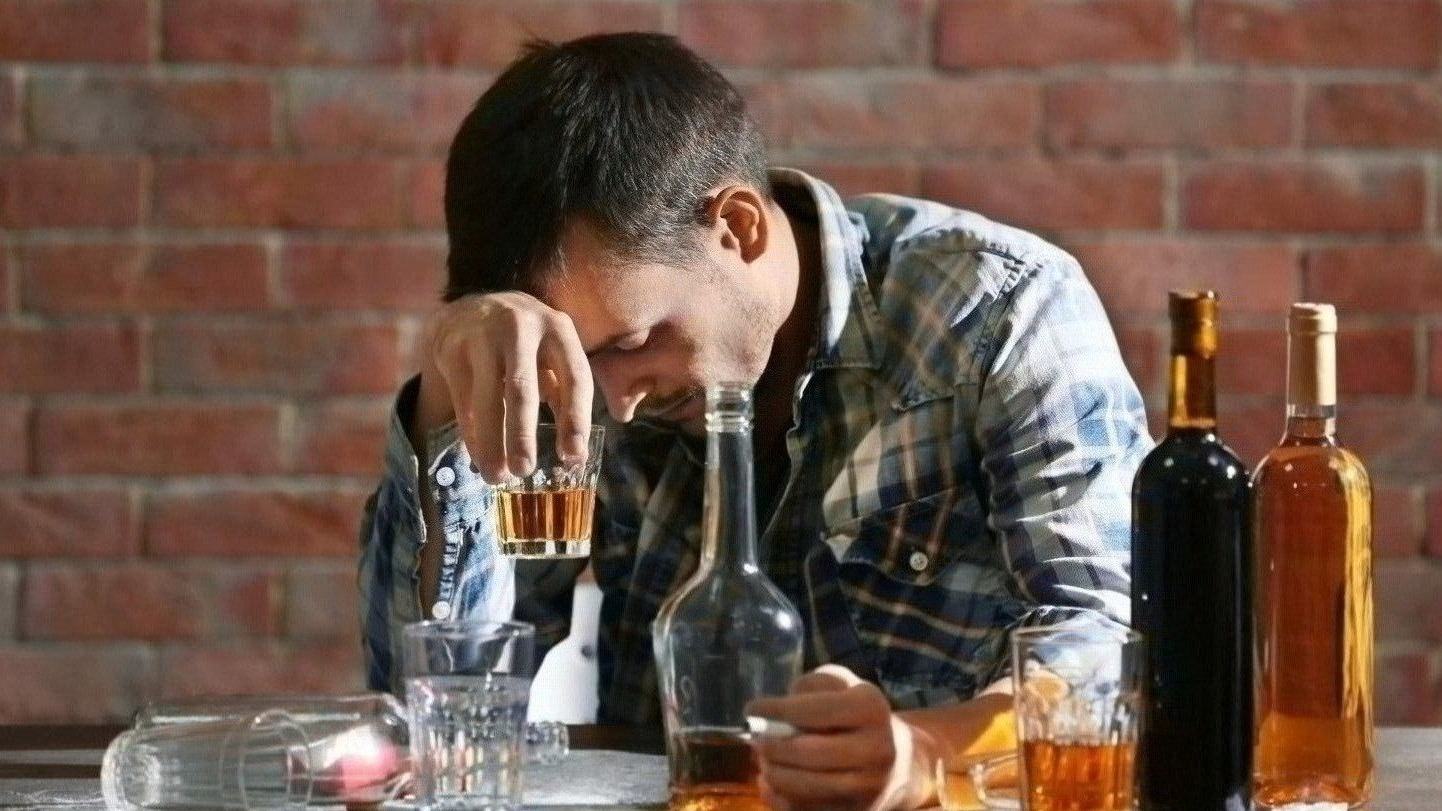
Alcohol is widely present in social and professional settings, which can make problematic drinking difficult to recognize. The question is not always how frequently someone drinks. More useful questions are whether alcohol use is becoming difficult to control and whether it is affecting health, relationships, responsibilities, or everyday functioning.
Understanding these warning signs can help families determine when Alcohol De-addiction Treatment in Pune may need to be considered.
Drinking Patterns Can Change Gradually
Alcohol dependence does not always appear suddenly.
A person may initially drink occasionally and later begin drinking more frequently. Over time, the amount required to produce the same effect may increase. Drinking may also shift from social occasions to drinking alone or using alcohol to manage stress, sleep, anxiety, or difficult emotions.
Possible warning signs include:
- Drinking more than originally intended
- Repeated unsuccessful attempts to reduce alcohol
- Needing larger quantities over time
- Drinking alone or secretly
- Missing work or responsibilities
- Relationship conflicts linked to drinking
- Continuing despite health problems
- Experiencing cravings
- Feeling physically unwell when alcohol is stopped
No single sign determines the severity of a person's condition, but a combination of these patterns deserves attention.
Withdrawal Can Make Stopping More Difficult
People with physical dependence may experience symptoms when they suddenly stop drinking.
Depending on the individual, withdrawal can range from relatively mild symptoms to serious complications. This is one reason detox programs for alcoholism are an important component of structured treatment for some people.
The appropriate approach depends on drinking history, health status, previous withdrawal experiences, and other clinical considerations.
Treatment Goes Beyond Stopping Alcohol
Long-term recovery usually requires understanding what maintains the drinking pattern.
For one person, alcohol may be associated with workplace stress. For another, it may be connected with social circles, loneliness, emotional difficulties, family conflict, or established routines.
Therapy can help individuals identify these patterns and develop alternatives.
A structured alcohol and drug recovery center may combine different elements of care, including counseling, routine development, relapse-prevention strategies, family participation, and continuing support.
Families Often Notice the Problem First
People experiencing alcohol dependence do not always recognize the extent of its impact. Family members may notice behavioural changes, financial problems, unexplained absences, irritability, declining work performance, or changes in sleep and eating patterns.
Arguments and accusations rarely solve the underlying problem. Families generally benefit from discussing specific observable concerns rather than applying labels.
For example, focusing on missed work, repeated intoxication, health concerns, or unsafe behaviour can make the conversation more concrete.
Recovery Requires Planning for Triggers
Alcohol is particularly challenging because it may remain easily accessible after treatment. Social events, restaurants, celebrations, workplace gatherings, and friends may all create exposure.
Recovery planning therefore needs to address real-life situations rather than simply maintaining abstinence within a treatment facility.
Aatma De-Addiction and Rehabilitation Center supports individuals and families seeking structured addiction recovery services in Pune.
For residents of Pune and nearby areas of Maharashtra, recognizing problematic drinking early can open the door to appropriate assessment and treatment. Alcohol addiction help is most useful when it addresses physical dependence, behavioural patterns, emotional triggers, family dynamics, and the practical realities a person will face after completing structured treatment.