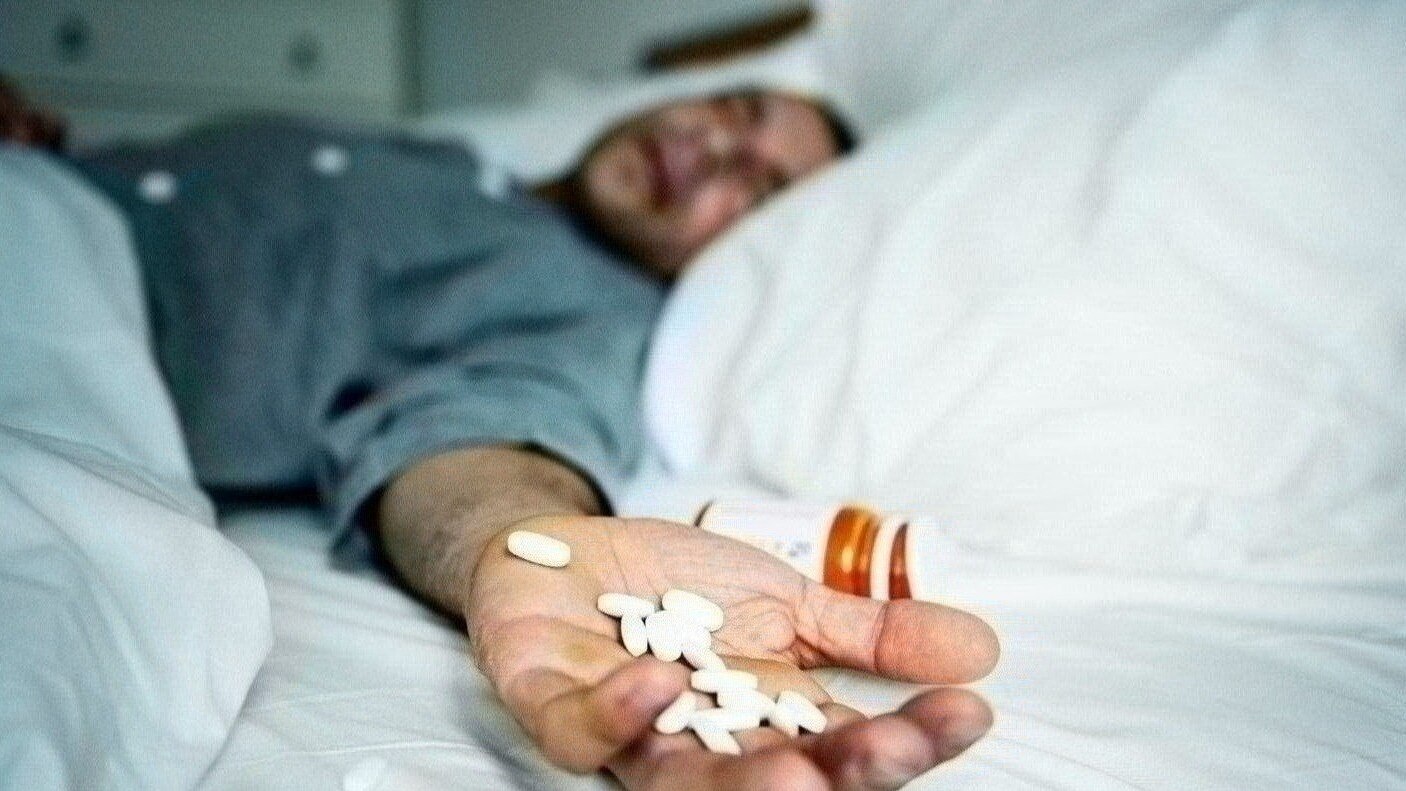
Drug use does not have to become daily, expensive, or catastrophic before treatment is appropriate. You will learn how to distinguish experimentation, risky use, dependence, and emergencies, then decide what to ask when seeking help for yourself or a family member.
Key takeaways
- Seek an assessment for cravings, withdrawal, unsafe use, or repeated failed attempts to stop.
- Treat overdose, seizures, severe confusion, and breathing problems as medical emergencies.
- Ask providers about medical assessment, withdrawal monitoring, family support, and continuing care.
- Contact emergency services when stopping suddenly could cause dangerous withdrawal or overdose complications.
How do you know drug use has crossed into a need for treatment?
Treatment support is justified when drug use is no longer reliably under your control. Cravings, rising tolerance, withdrawal symptoms, repeated failed attempts to cut down, unsafe use, overdose risk, or continued use despite physical or psychological harm all justify an assessment.
Occasional or experimental use does not automatically mean substance-use disorder. Risky use still deserves attention: waiting until use becomes daily, or until work, health, or relationships collapse, delays help.
These are signs treatment is needed:
- Using in the morning or alone, driving after using, injecting, or sharing needles or other equipment.
- Blackouts, near-overdose events, or needing more of the drug to feel the same effect.
- Shaking, sweating, nausea, anxiety, insomnia, or other withdrawal symptoms when you stop.
- Worsening depression, panic, paranoia, aggression, suicidal thoughts, or other mental-health changes.
- Repeatedly promising to stop but returning to use, despite clear intentions and personal goals.
- Missing work or school, neglecting family duties, accumulating debt, or facing legal problems because of use.
- Continuing after injuries, illness, relationship damage, violence, or warnings from people you trust.
One relapse does not prove treatment has failed; recovery often requires adjustment and continuing care. Repeated unsuccessful attempts to cut down are a strong reason to contact a qualified provider for a formal assessment, even if you still appear to manage daily life.
When is drug use an emergency or unsafe to stop at home?
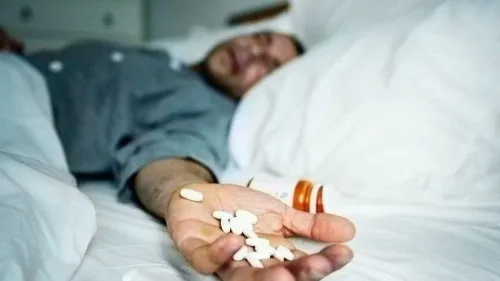
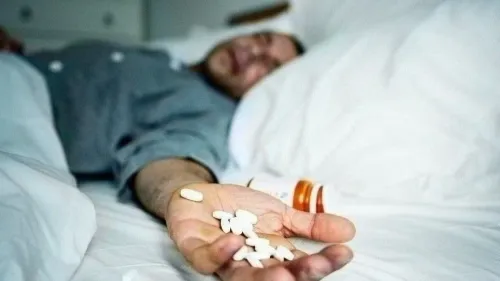
Call 112 in India immediately for suspected overdose, unconsciousness, slowed or stopped breathing, blue or grey lips, seizures, chest pain, severe confusion, extreme agitation, or suspected poisoning.
- Stay with the person and tell emergency responders what substance was taken, if known.
- Keep the airway clear if you can do so safely; place an unconscious breathing person on their side.
- Do not make them vomit, give food or drink, or tell them to “sleep it off.”
- Do not leave them alone, even if they appear to improve.
Do not abruptly stop alcohol, opioids, benzodiazepines, or another substance at home when dependence is suspected. Alcohol and benzodiazepine withdrawal can become life-threatening; severe tremors, hallucinations, confusion, fever, or a seizure require emergency care and clinician-supervised withdrawal.
Opioid withdrawal is usually intensely distressing but follows a different risk pattern from alcohol or benzodiazepine withdrawal. It still needs medical support because detox lowers tolerance, and returning to a previous opioid dose can cause overdose.
Ask for drug addiction help in Nashik rather than attempting an unsupervised detox, especially after daily use, high doses, prior withdrawal, or an earlier overdose.
What should a proper assessment examine before treatment begins?
A proper assessment starts with details, not a standard package. The clinician should ask what substance was used, the dose, frequency, route, duration, and time of last use; previous withdrawal, overdose history, current medicines, physical conditions, suicide risk, and treatment goals. Screening should also cover depression, anxiety, trauma, psychosis, sleep problems, and other mental-health symptoms.
- Review withdrawal and safety risks, including alcohol or benzodiazepine dependence, opioid overdose risk, seizures, pregnancy, liver disease, and unsafe housing.
- Match the care setting to the person’s clinical and practical needs:
| Option | What it means | When it applies |
|---|---|---|
| Medically supervised inpatient care | Continuous monitoring, withdrawal treatment, and rapid emergency response | High withdrawal or overdose risk, unstable medical or psychiatric symptoms, unsafe housing, family danger, or failed outpatient treatment |
| Structured outpatient care | Scheduled clinical visits, counselling, medication follow-up, and a safe home plan | Stable psychiatric condition, reliable transport and appointment access, supportive housing, and manageable withdrawal risk |
There is no single drug for addiction. For opioid use disorder, clinicians may use buprenorphine, methadone, or extended-release naltrexone after checking medical history. Alcohol-use-disorder medicines depend on liver function, other medicines, pregnancy status, and treatment goals; no universally approved medicine eliminates stimulant or cannabis addiction.
A drug addiction treatment center in Nashik should explain the assessment, emergency plan, medicines, and transfer arrangements before admission. A promised one-tablet cure deserves scrutiny.
What can families do when the person refuses care or recovery does not last?
Denial does not mean you must wait. Families can seek professional advice about safety, boundaries, and referral before the person agrees to an appointment, including when the person becomes aggressive or cannot make a safe decision.
- Move children and other vulnerable people away, keep an exit available, and call 112 if there is violence, a weapon, severe confusion, unconsciousness, or breathing trouble.
- Do not argue, shame, threaten, restrain, or confront the person alone. Speak briefly when everyone is calm: “I will help you get care, but I will not accept threats or drug use in this home.”
- Contact a qualified clinician for guidance on the next safe step. Do not force transport, secretly medicate the person, or leave an intoxicated or suicidal person alone.
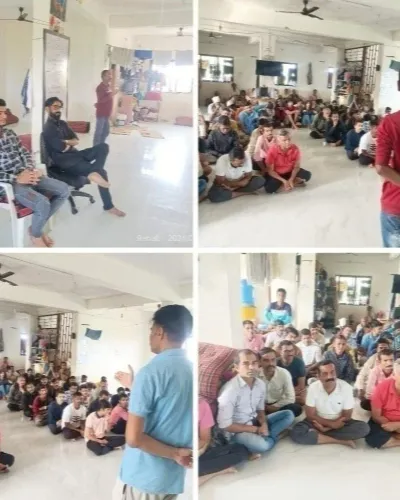
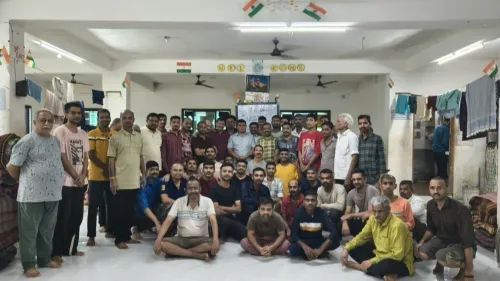
After detox or discharge, continuing care needs more than a short stay. Ask addiction recovery programs in Nashik for a written plan covering relapse prevention, medication follow-up when indicated, counselling or behavioural therapy, family education, recovery support, cravings, and emergencies.
- Record triggers, warning signs, coping actions, trusted contacts, and where to seek urgent help.
- Confirm appointment dates, prescribed medicines, and rapid access if cravings or use return.
- Discuss naloxone and overdose-response training where locally available and clinically appropriate.
Opioid tolerance falls quickly during detox or abstinence. Returning to a former opioid dose can cause fatal overdose, so never treat a relapse as proof that treatment is hopeless; arrange urgent clinical support instead.
How do you start drug addiction help in Nashik and evaluate a provider?
Before choosing a provider, verify its response process rather than assuming someone will answer, admit the patient, or manage a crisis. For drug addiction help in Nashik, call at different times and ask who answers, whether an urgent admission is available today, and what happens if the facility has no bed.
- Ask who performs the medical assessment and whether a psychiatrist or addiction physician is available.
- Ask how urgent admissions differ from planned admissions, how withdrawal and emergencies are managed, which medicines may be used, and which hospital receives patients needing higher-level care.
- Request the total cost, admission length and conditions, medication charges, discharge rules, visiting and restraint policies, consent and confidentiality terms, legal authorisation, and aftercare plan in writing.
- Confirm that addiction recovery programs in Nashik include relapse-prevention work, counselling or behavioural therapy, family education, medication follow-up, recovery support, and a written cravings-and-emergency plan.
Use this checklist with Aatma De-Addiction & Rehabilitation Center or any other provider; a clear answer is more useful than a polished promise.
| Option | What to verify | What it means |
|---|---|---|
| Urgent admission | Same-day assessment, withdrawal screening, emergency transfer plan | The provider can respond to immediate risk |
| Planned admission | Bed date, assessment steps, consent and discharge terms | You can prepare safely |
| Outpatient care | Appointment frequency, home safety and escalation route | Treatment occurs without residential admission |
Reject guaranteed cures, unexplained injections, forced confinement, physical punishment, and claims that one product treats every addiction. A “drug for addiction treatment center” search should not become a search for one drug; ask what the assessment supports. This is how you choose addiction recovery programs when needed in Nashik.
Related services
alcohol and drugs deaddiction centre alcohol and drugs deaddiction centre At Aatma De-addiction Center, Nashik, we specialize in providing comprehensive care for individuals battling alcohol and drug addiction. |
De-addiction Center "Aatma De-addiction and Rehabilitation Center" It became evident that today’s young generation is increasingly falling prey to the grip of addictive... View service → |
Frequently asked questions
How do you know drug use has crossed into a need for treatment?
Treatment support is needed when cravings, tolerance, withdrawal, unsafe use, repeated failed attempts to stop, or continued harm affect control and daily life.
When is drug use an emergency or unsafe to stop at home?
Call emergency services for unconsciousness, slowed or stopped breathing, seizures, severe confusion, chest pain, or suspected overdose. Do not attempt unsupervised withdrawal when severe dependence or dangerous symptoms are possible.
What should an assessment examine before treatment begins?
A proper assessment should review the substance used, amount and frequency, last use, withdrawal history, overdose risk, physical and mental health, medicines, family support, and safety needs.
What can families do when the person refuses care or recovery does not last?
Set clear safety boundaries, avoid funding or enabling drug use, keep communication nonjudgmental, seek family counselling, and contact a provider for guidance even if the person refuses treatment.
How do you start drug addiction help in Nashik and evaluate a provider?
Ask about qualified clinical staff, medical supervision, assessment procedures, withdrawal care, relapse planning, family involvement, privacy, fees, and follow-up support before choosing a center.
Related service
vyasanmukti kendra व्यसनमुक्ति केंद्र नाशिक आत्मा व्यसनमुक्ती केंद्र, नाशिक आमचे आत्मा व्यसनमुक्ती केंद्र, नाशिक, हे दारू व अमली पदार्थांच्या व्यसनातून मुक्त होण्यासाठी उत्कृष्ट आणि प्रभावी... |