A night-time crisis involving overdose, severe withdrawal, suicidal intent or altered consciousness needs the right level of medical help, not simply a vacant rehabilitation bed. You will learn how to identify emergencies, understand what genuine round-the-clock care includes, prepare for seasonal disruptions and compare Nashik providers without confusing an answering service with clinical supervision.
Key takeaways
- Ask who assesses withdrawal and administers prescribed medicines overnight.
- Call emergency medical services for seizures, unconsciousness, breathing trouble, or severe confusion.
- Confirm holiday admissions, overnight staffing, detox protocols, and hospital transfer arrangements.
- Create a seasonal support plan before travel, festivals, or family disruptions begin.
What 24/7 Drug Rehabilitation Means in Practice
A genuine 24/7 drug rehabilitation service provides clinical access overnight, on weekends and during holidays—not merely a phone answered by security staff. In practice, round-the-clock drug rehab in Nashik must explain who assesses withdrawal, who gives prescribed medicines, and where a deteriorating patient goes.
Look for these practical provisions:
- A nurse or trained clinician physically present overnight
- A registered doctor available for urgent assessment and medication decisions
- Supervised withdrawal management with documented observation, not immediate counselling alone
- An ambulance or defined transfer pathway to a named hospital
- A working emergency phone answered by staff who can access the patient’s records
- Arrangements that continue during festivals, public holidays, monsoon travel disruption and other seasonal interruptions
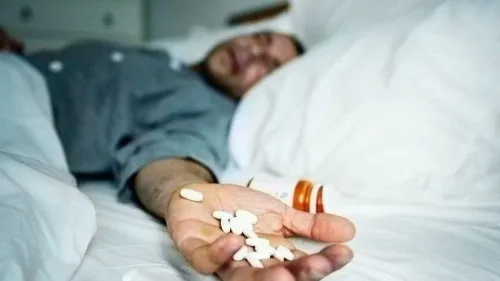
Call 112 or go to the nearest emergency department instead of waiting for admission if the person is unconscious, having a seizure, breathing abnormally, severely confused, experiencing chest pain, threatening suicide or violence, or showing signs of overdose or dangerous withdrawal. Emergency stabilisation comes before detoxification; detoxification comes before residential rehabilitation or outpatient recovery support.
Before discharge, request a written medication plan, warning signs, follow-up appointments, relapse-response instructions and emergency contact numbers. That standard separates genuine 24-hour addiction care in Nashik from an unplanned residential stay with overnight access but no medical supervision.
When a Recovery Crisis Needs Emergency Medical Help
Call 112 or go to the nearest hospital emergency department if the person is unconscious, breathing slowly or irregularly, having a seizure, severely confused, experiencing chest pain, or suspected of overdosing. Do not wait for a rehabilitation-centre admission.
Keep them with you, place an unconscious breathing person on their side, and tell the dispatcher what substance was taken and when.
Treat these signs as emergencies:
- Blue or grey lips, choking, or inability to wake
- Suicidal intent, a recent attempt, or access to a weapon
- Severe agitation, hallucinations, or violent behaviour
- Repeated vomiting, collapse, high fever, or extreme shaking
- A seizure after stopping alcohol or benzodiazepines
The phrase 24 7 drug for rehab services in nashik during seasonal recovery challenges does not guarantee emergency medical capacity. Ask whether the service has a clinician overnight, supervised withdrawal care, ambulance transfer, and a named receiving hospital. Emergency rehab services in nashik should stabilise danger first; counselling and residential admission come later.
| Care level | What it provides | When it applies |
|---|---|---|
| Hospital emergency department | Resuscitation, monitoring, investigations, and urgent medicines | Overdose, seizures, abnormal breathing, chest pain, severe confusion, or immediate danger |
| Medically supervised detoxification | Clinician-led withdrawal monitoring and prescribed treatment | High withdrawal risk after heavy alcohol or benzodiazepine use |
| Residential rehabilitation | Structured therapy, routine observation, and recovery planning | Stable patients who do not need emergency stabilisation |
What Happens During a Night-Time or Holiday Admission
At 10 p.m., admission should begin with clinical triage, not simply a bed assignment. The admitting clinician should record the last use, amount and route of each substance, alcohol or benzodiazepine use, prescribed medicines, allergies, past withdrawal seizures, medical conditions, mental-health symptoms and immediate safety risks.
Ask who is physically present overnight and who conducts the assessment. The process should include vital signs, consciousness, breathing, mental status and withdrawal symptoms, with hospital transfer arranged for deterioration.
- Confirm whether a registered doctor can prescribe medicines and review the person during admission.
- Ask whether nurses provide continuous observation and whether the service uses a recognised tool such as CIWA-Ar for alcohol withdrawal or COWS for opioid withdrawal.
- Ask which hospital receives patients who develop seizures, severe confusion, breathing problems or unstable vital signs.
- Request the plan for transport, family communication, consent and payment before treatment begins.
A genuine round the clock drug rehab in Nashik should distinguish emergency stabilisation from detoxification, residential rehabilitation and outpatient care. Emergency rehab services in Nashik should not place a high-risk patient directly into counselling or group therapy.
Alcohol withdrawal can cause seizures within 6–48 hours and delirium tremens around 48–96 hours after heavy use stops; call 112 for unconsciousness, seizures, abnormal breathing or severe confusion. Before discharge, obtain written medicines, warning signs, follow-up appointments and relapse-response contacts.
Withdrawal Risk: When Detox Requires Medical Supervision
Stopping heavy alcohol use or benzodiazepines suddenly can trigger seizures, delirium, dangerously high pulse or blood pressure, and death. Alcohol-withdrawal seizures often appear 6–48 hours after reduction or cessation; delirium tremens often follows around 48–96 hours. Benzodiazepine withdrawal can cause seizures, hallucinations, severe agitation, and prolonged symptoms.
Hospital-based detoxification is safer after a previous withdrawal seizure or delirium, heavy daily use, benzodiazepine dependence, repeated failed attempts, serious liver or heart disease, pregnancy, suicidal thinking, psychosis, unsafe housing, or absent adult supervision.
Call 112 or go to an emergency department for unconsciousness, abnormal breathing, a seizure, severe confusion, chest pain, suspected overdose, or immediate danger.
- Ask whether 24 hour addiction care in Nashik includes overnight nursing observation, a clinician who can assess withdrawal, doctor-prescribed medication, fluid and electrolyte treatment, ambulance transfer, and a named receiving hospital.
- Ask whether emergency rehab services in Nashik use symptom-triggered or fixed-dose medication plans and transfer deterioration to acute care.
Supervised residential detox is not the same as hospital care. Confirm who can treat seizures and medical complications; counselling or an unplanned stay cannot replace medical supervision.
Planning Seasonal Drug Recovery Support in Nashik
Festivals, travel and monsoon disruption do not create a separate “seasonal relapse” diagnosis. Build seasonal drug recovery support in Nashik around predictable changes, then review the plan with a clinician before they begin.
- Festivals or family events: arrange a drug-free host, an exit plan and a person you can call before attending.
- Travel: carry the prescribed medication supply, treatment summary and emergency contacts; confirm transport and telehealth access at your destination.
- Examinations or work changes: protect sleep, meals, appointments and medication times instead of relying on willpower.
- Heat: plan hydration, shade and transport during the hottest hours.
- Monsoon: keep a backup route, phone charging plan and remote appointment option.
For “24 7 drug for rehab services in nashik during seasonal recovery challenges,” ask whether someone qualified is physically available overnight, whether medicines can be reviewed, and which hospital receives deteriorating patients. A phone line is not continuous medical supervision.
Do not assume a difficult season requires admission. A clinician must assess current use, intoxication, withdrawal risk, suicidal thoughts, psychosis, medical illness, housing safety and family support. Before discharge, obtain written medicines, warning signs, follow-up dates and relapse-response contacts. Call 112 for unconsciousness, seizures, severe confusion, chest pain, suicidal intent or dangerous withdrawal.
How to Check Whether a Nashik Provider Is Truly Available 24/7
Ask who is physically present at 2 a.m.; a call-forwarding number and a security guard do not prove clinical availability. A provider offering 24 hour addiction care in nashik should identify the overnight nurse or clinician, the doctor’s response time, and the process for worsening withdrawal.
| Option | Direct question | What the answer proves |
|---|---|---|
| Phone line | “Who answers overnight, and can that person assess withdrawal?” | A helpline is not clinical supervision unless a qualified clinician responds. |
| Security presence | “Is a nurse or doctor physically on site throughout the night?” | Security protects the premises; it cannot monitor vital signs or prescribe treatment. |
| Residential stay | “What observation, assessments and escalation happen after admission?” | An unplanned bed is not detoxification or supervised rehabilitation. |
| Clinical service | “Which hospital receives deteriorating patients, and who arranges transport?” | A defined escalation pathway supports genuine round-the-clock drug rehab in Nashik. |
Also ask whether medicines are prescribed by a registered doctor and what written discharge plan follows. Seasonal drug recovery support in Nashik should include medication continuity, transport alternatives and a named contact, not simply an open bed.
Aatma De-Addiction & Rehabilitation Center is worth comparing on these operational answers rather than on the 24/7 label alone.
Frequently asked questions
What does 24/7 drug rehabilitation mean in practice?
It means qualified clinical staff can assess patients, manage prescribed medicines, respond to deterioration, and arrange medical transfer overnight, on weekends, and during holidays.
When does a recovery crisis need emergency medical help?
Seek emergency help for seizures, unconsciousness, breathing difficulty, chest pain, severe confusion, extreme agitation, or suspected overdose.
What happens during a night-time or holiday admission?
Staff should complete an intake assessment, check immediate medical risks, document substance use and medicines, explain the care plan, and arrange escalation when needed.
When does detox require medical supervision?
Medical supervision is essential when withdrawal could involve seizures, delirium, severe vomiting, dehydration, dangerous agitation, or complications from alcohol, sedatives, or multiple substances.
How can you check whether a Nashik provider is truly available 24/7?
Ask who is physically present overnight, who prescribes and administers medicines, which clinician is on call, and which hospital receives emergencies.