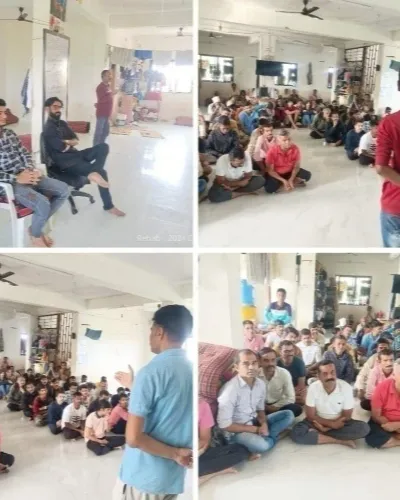
Leaving residential treatment removes alcohol from the immediate environment, but it does not remove cravings, withdrawal risks, psychiatric symptoms, or everyday triggers. You will learn how to organise the first hours and weeks after discharge, respond to emergencies, involve family without policing, and compare continuing-care options in Nashik.
Key takeaways
- Leave with a written aftercare plan, appointments, medication instructions, and emergency contacts.
- Treat seizures, severe confusion, breathing problems, or suicidal thoughts as emergencies.
- Reduce relapse risk by planning trigger responses, family boundaries, and ongoing support.
- Compare programs by clinical staffing, follow-up schedule, family care, and relapse-response procedures.
What should happen after discharge from residential treatment?
Residential treatment is a controlled starting point, not a complete cure. Detoxification manages acute withdrawal; rehabilitation and continuing care address triggers, habits, relationships, mental health, and relapse prevention.
| Stage | Main focus | What to expect |
|---|---|---|
| First 24 hours | Safety and routine | Confirm medicines, transport, support, sleep, meals, and the first appointment |
| First week | Stabilisation | Attend counselling, contact family support, and report cravings or worsening symptoms |
| First 30 days | Skill building | Continue therapy, psychiatric review, peer support, and relapse-prevention practice |
| Longer term | Recovery maintenance | Review progress after work, travel, conflict, or housing changes |
Before discharge, write down:
- First follow-up date and counselling frequency
- Medication prescriber, review date, and instructions after a missed dose
- Peer-support option and family contact schedule
- Sleep target, regular meals, and transport arrangements
- Named emergency contact and the plan for a craving or lapse
Cravings, irritability, low mood, and poor sleep can continue after detoxification without proving treatment has failed. Report persistent or worsening symptoms because withdrawal, depression, medication effects, another medical condition, or renewed drinking may require clinical review.
The alcohol addiction help benefits after residential treatment in Nashik depend on this continuing structure, not on discharge alone. Residential alcohol recovery in Nashik becomes safer and more effective when follow-up turns treatment gains into daily habits.
What should a written alcohol aftercare plan contain?
A written plan turns discharge into scheduled, measurable care. Record the first outpatient counselling date, visit frequency, psychiatric follow-up, family-session dates, peer-support option, craving strategy, sleep and nutrition goals, and a named emergency contact.
1. Name the clinician who prescribes each medicine and the clinician who reviews liver or kidney function when tests are required. Record what to do after a missed dose; never stop or restart treatment without that clinician’s instructions.
2. Ask whether naltrexone, acamprosate, or supervised disulfiram suits the patient’s health, goals, pregnancy status, and ability to follow the plan. Before naltrexone, screen for opioid use, including opioid painkillers and medicines used for opioid-use disorder; taking it during opioid treatment can create serious problems.
3. Schedule counselling, psychiatric reviews, family sessions, and peer-support meetings rather than writing “attend as needed.” Peer meetings supplement clinical care and cannot replace it after severe withdrawal, seizures, liver disease, suicidal thinking, or major psychiatric illness.
4. Include assessment and treatment for depression, anxiety, trauma, bipolar disorder, psychosis, and suicidal thinking alongside alcohol use. Treating only drinking leaves common relapse triggers unaddressed.
5. Set a review date and trigger an earlier review after changes in work, travel, housing, family conflict, renewed drinking, worsening cravings, or missed appointments. Effective addiction recovery programs after treatment and alcohol addiction help in nashik should produce a revised written plan, not just general encouragement.
When is a post-discharge problem an emergency?
Treat these signs as emergencies, not problems to manage at home: a seizure, hallucinations, severe confusion or delirium, severe agitation, uncontrolled vomiting, chest pain, trouble breathing, unconsciousness, suspected alcohol poisoning, or a current suicide plan. Call 112 in India for national emergency response instead of waiting for a routine counselling appointment.
Before discharge, confirm the local emergency department, transport plan, named emergency contact, after-hours number, and who will stay with the person. Any alcohol addiction help in Nashik should provide these details in writing, including what to do if tremor, sweating, vomiting, confusion, hallucinations, severe agitation, or a seizure follows abrupt reduction in heavy alcohol use.
- Move away from immediate hazards and stay with the person if it is safe.
- Call 112, state the symptoms clearly, and follow the dispatcher’s instructions.
- Do not give alcohol, sedatives, food, or drink to an unconscious or severely confused person.
- Take the discharge papers and medication list to emergency staff, and notify the treatment team after help is arranged.
Drinking after abstinence is a lapse, not automatic treatment failure. Contact the treatment team quickly to assess intoxication and withdrawal risk, identify the trigger, and revise the plan rather than hiding the episode.
Addiction recovery programs after treatment and peer-support meetings can strengthen recovery, but they do not replace medical care for severe withdrawal, seizures, liver disease, suicidality, or major psychiatric illness. A poor fit with one group is a reason to try another, not to abandon support.
How can families and patients reduce relapse risk in Nashik?
Remove every bottle, hidden stock, and drinking trigger from the home before discharge. Support appointment attendance and medication routines without taking over. Speak about observable behaviour, such as missed doses or intoxication, rather than calling the person lazy or dishonest.
Do not buy or supply alcohol, cover up missed work or legal consequences, threaten, or keep constant watch.
Use this five-step craving plan:
- Delay the decision to drink for 20 minutes.
- Leave the drinking setting, shop, or alcohol-serving venue.
- Call a named person who has agreed to answer.
- Start a prepared activity, such as walking, showering, eating, or attending a peer meeting.
- Seek urgent clinical support if the craving escalates or drinking has started.
Plan transport that does not pass bars or depend on drinking friends. Discuss visits with those friends in advance, and arrange an early exit. Before festivals, weddings, and family functions, choose a non-drinking companion, carry your own transport plan, and identify a safe place: a trusted relative’s home, counsellor’s office, or peer meeting.
Family members need support too; counselling or a family group can reduce stress and prevent enabling. Good alcohol addiction help in Nashik includes this daily planning, not only residential care. People searching long tail alcohol recovery keywords should look for continuing support that reviews the plan after work, travel, conflict, or housing changes.
How should you compare alcohol recovery programs after treatment?
A comfortable setting does not prove that follow-up is clinically adequate. Compare addiction recovery programs after treatment by asking for named staff, written procedures, appointment frequency, and measurable responses to risk.
Check each provider against these points:
- Counselling: How many sessions occur weekly or monthly, and for how many months?
- Medical care: Is a qualified physician or psychiatrist available? Who prescribes and reviews medication?
- Risk assessment: How are depression, anxiety, trauma, bipolar disorder, psychosis, dual diagnosis, and suicide risk assessed?
- Monitoring: Can the provider arrange liver or kidney tests when medication requires them?
- Support: How often are family sessions and peer groups held? Are home visits available?
- Accountability: What is the urine or breath-testing policy, and how is confidentiality handled?
- Safety: Who responds to a crisis, at what number, and what happens after a missed appointment or renewed drinking?
| Compare | Ask to see | Warning sign |
|---|---|---|
| Follow-up | Duration, review dates, next appointment | “Return if needed” |
| Discharge plan | Emergency contacts and written instructions | Verbal promises only |
| Lapse response | Intoxication and withdrawal assessment process | Punishment or immediate discharge |
Readers seeking alcohol for addiction help benefits after residential treatment in nashik or other long tail alcohol recovery keywords can use this checklist with Aatma De-Addiction & Rehabilitation Center as one Nashik option, without treating its existence as proof of quality. Ask for every arrangement in writing before discharge.
Frequently asked questions
What should happen after discharge from residential treatment?
Discharge should lead into continuing care, including a follow-up appointment, counselling, support meetings, medication review, family involvement, and a plan for handling cravings and relapse.
What should a written alcohol aftercare plan contain?
It should list warning signs, coping steps, therapist and doctor contacts, appointment dates, prescribed medicines, family responsibilities, emergency services, and instructions for a return to treatment.
When is a post-discharge alcohol problem an emergency?
Call emergency services for seizures, unconsciousness, severe confusion, trouble breathing, suspected overdose, violent behaviour, or suicidal thoughts with immediate risk.
How can families and patients reduce relapse risk in Nashik?
Remove alcohol from the home, avoid high-risk settings, plan transport and support contacts, attend follow-up care, set clear boundaries, and respond quickly to missed appointments or renewed drinking.
How should you compare alcohol recovery programs after treatment?
Ask about clinician qualifications, medical oversight, follow-up frequency, family counselling, psychiatric care, relapse procedures, medication management, fees, travel demands, and after-hours support.