One of the most common questions families face is whether a person needs residential rehabilitation or can continue treatment while living at home. Both inpatient and outpatient de-addiction treatment can have a role in addiction recovery, but they provide very different levels of structure.
For families in Jalgaon, the more useful question is not which approach is universally better. It is which environment is appropriate for the individual's substance-use pattern, health, home circumstances, and ability to maintain recovery outside a controlled setting.
How Inpatient Rehabilitation Works
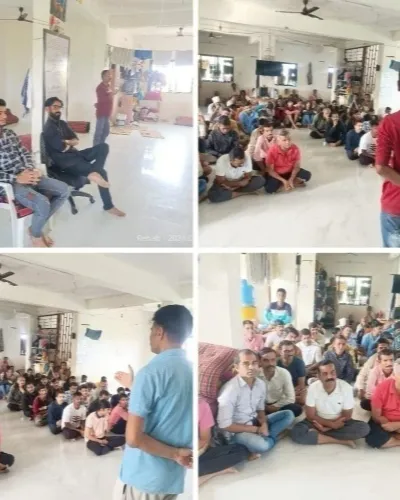
An Inpatient Drug Rehabilitation Center in Jalgaon provides residential care for a defined period. During this time, the individual remains in a structured environment and follows an organized recovery routine.
Residential programs may include:
- Assessment
- Detox support where appropriate
- Individual counseling
- Group activities
- Behavioral interventions
- Recovery education
- Structured daily routines
- Family sessions
- Relapse prevention planning
Removing the individual temporarily from environments strongly associated with substance use can also reduce immediate exposure to certain triggers.
Who May Need Greater Structure?
Residential treatment may be considered when substance use is severe, previous attempts to stop have repeatedly failed, the home environment is unstable, access to substances is difficult to avoid, or the individual needs more intensive supervision.
It may also be relevant when daily life has become significantly disrupted by addiction.
However, residential treatment should not automatically be selected simply because it appears more intensive. An appropriate assessment remains important.
How Outpatient Treatment Differs
With Outpatient De-addiction Treatment, the individual attends scheduled treatment or counseling while continuing to live at home.
This approach can make it possible to maintain certain work, education, or family responsibilities during recovery.
Outpatient care may be suitable for selected individuals who have stable living conditions, reliable family support, lower immediate risks, and the ability to follow treatment recommendations consistently.
The individual must also manage exposure to everyday triggers while receiving treatment.
Comparing the Two Approaches
The key differences involve structure, environment, supervision, and flexibility.
Residential rehabilitation offers greater separation from previous routines and potentially high-risk surroundings. Outpatient treatment allows greater independence but requires the individual to practice recovery skills in the community from the beginning.
Neither approach removes the need for active participation.
Counseling, behavioral change, trigger management, and relapse prevention remain important regardless of where the person lives during treatment.
Consider the Home Environment
Family circumstances can significantly influence the decision.
If alcohol or drugs are readily available at home, relationships are highly unstable, or the person's social environment encourages substance use, outpatient recovery may be more difficult.
A supportive household with clear boundaries and active family participation can make community-based treatment more manageable for appropriate candidates.
Consider Previous Recovery Attempts
Treatment history also provides useful information.
If someone has repeatedly attempted outpatient recovery but quickly returned to substance use, greater structure may need to be considered.
Conversely, an individual with strong motivation, stable health, reliable support, and a less severe pattern of dependence may not necessarily require residential treatment.
Aatma De-Addiction and Rehabilitation Center in Jalgaon can be considered by families exploring structured addiction treatment options in Maharashtra. The decision between inpatient and outpatient care should ideally reflect the individual's actual circumstances rather than assumptions about which program sounds stronger.
The right level of care is the one that provides sufficient structure and support while addressing the person's specific risks, triggers, responsibilities, and recovery needs.