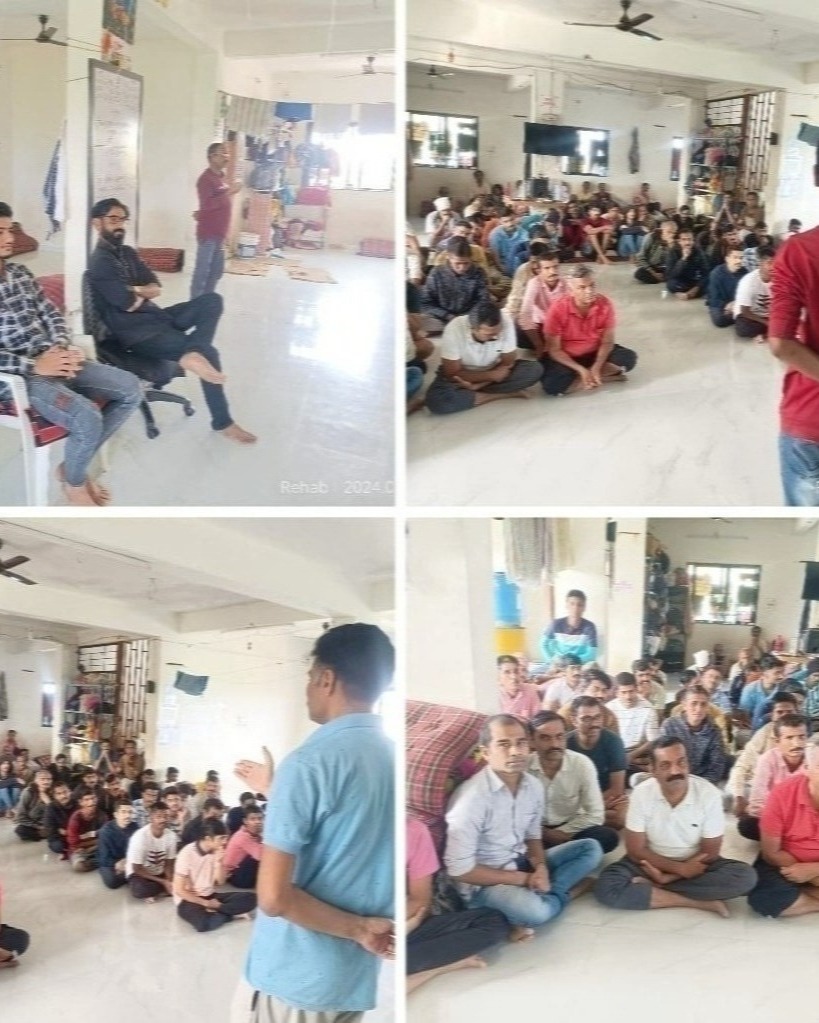
Effective addiction treatment generally addresses more than substance use itself. Drugs or alcohol may become connected with emotional distress, daily habits, relationships, social environments, and coping mechanisms. This is why structured addiction recovery programs in Jalgaon often combine several forms of support rather than relying on one intervention.
Understanding how these elements work together can help individuals and families form realistic expectations about rehabilitation.
Recovery Begins With Understanding the Individual
No two addiction histories are identical.
One person may have developed alcohol dependence gradually over many years. Another may be struggling with drugs following a shorter but intense period of use. Some individuals may have supportive families, while others live in environments where substance use is common.
A personalized assessment can consider factors such as substance-use history, physical health, emotional well-being, family circumstances, previous treatment attempts, daily responsibilities, and relapse patterns.
These details can guide personalized addiction recovery plans.
Counseling Helps Identify the "Why" Behind Substance Use
Stopping access to drugs or alcohol may interrupt substance use temporarily. Counseling helps explore the factors that can cause it to return.
During substance abuse counseling, individuals may examine emotional triggers, social influences, thought patterns, relationship difficulties, and stressful circumstances associated with substance use.
The objective is not simply to discuss past behavior. Counseling can help develop practical skills for future situations.
Someone who previously responded to stress by drinking, for example, may need alternative strategies for handling workplace pressure. A person whose drug use is closely connected to a social group may need to reconsider certain relationships and environments.
Why Structured Routine Can Matter
Addiction often disrupts everyday structure. Sleep schedules may become irregular, meals can be neglected, responsibilities may be avoided, and much of the person's time may revolve around obtaining, using, or recovering from substances.
Residential de-addiction programs can provide a more organized daily environment.
Regular waking times, meals, counseling sessions, recovery activities, recreation, rest, and personal responsibilities can gradually help restore predictability.
Routine alone does not treat addiction, but it can create an environment where healthier habits are practiced consistently.
Family Support Can Influence What Happens After Treatment
Families are often deeply involved in the consequences of addiction.
They may have experienced broken trust, arguments, financial difficulties, missed responsibilities, or repeated promises to stop using substances. As a result, recovery can require changes in family interactions as well.
Family-focused sessions can help relatives understand addiction, communicate more effectively, establish boundaries, recognize relapse warning signs, and support healthy routines.
This can be particularly important when an individual returns home after residential rehabilitation.
Relapse Prevention Is a Skill-Building Process
Recovery does not eliminate every future craving or stressful situation.
Instead, relapse prevention teaches individuals to recognize risks and respond before they escalate.
Potential warning signs can include withdrawing from supportive people, romanticizing previous substance use, abandoning healthy routines, returning to high-risk environments, increased stress, or stopping recovery-related activities.
Recognizing these signs early gives the individual and family an opportunity to respond.
Aftercare Connects Treatment With Everyday Life
The transition from rehabilitation to home can be challenging because the controlled environment changes.
Aftercare programs for addicts may include ongoing counseling, follow-up sessions, recovery support, family participation, and continued relapse prevention work.
Aatma De-Addiction and Rehabilitation Center provides addiction recovery support in Jalgaon for individuals and families dealing with alcohol and drug-related concerns. A comprehensive recovery program should be evaluated by how its different elements connect, from assessment and detoxification where needed to counseling, structured rehabilitation, family involvement, and continuing care.
Successful recovery cannot be reduced to a single therapy or technique. It develops through consistent behavioral change, appropriate support, healthier routines, and preparation for the situations a person will face after returning to everyday life.