An unanswered overnight call, a missed withdrawal assessment, or a delayed hospital transfer can turn a support gap into a medical emergency. You will learn how to identify danger, escalate care in Nashik, document a failed response, and test whether a facility offers clinical cover or only an after-hours contact number.
Key takeaways
- Call emergency services for seizures, unconsciousness, breathing trouble, or severe confusion.
- Ask exactly who answers overnight calls and which clinician can authorise urgent care.
- Confirm ambulance access, hospital transfer procedures, and medical monitoring before admission.
- Match the withdrawal plan to the substance, dose, duration, and previous withdrawal history.
What 24/7 Rehab Support Actually Covers—and Where It Breaks
“24/7” can mean an overnight attendant, an emergency phone line, or staff who can reach a doctor; it does not automatically mean a nurse, emergency medicines, ambulance, or hospital-level monitoring is available.
The question behind what happens when 24 by 7 drug rehab support fails in nashik is who is physically present and what they can do. Detox removes alcohol or drugs; it does not provide relapse-prevention medicine, therapy, or follow-up.
These are common 24 by 7 drug rehab services problems in nashik:
- Calls go unanswered, or an attendant cannot assess withdrawal severity.
- A night shift misses a prescribed medication dose or gives no documented handover.
- Staff delay recognising a seizure, severe confusion, breathing difficulty, or overdose.
- The centre lacks naloxone, oxygen, transport, or a clinician authorised to escalate care.
- Hospital transfer is delayed while staff wait for a manager or family member.
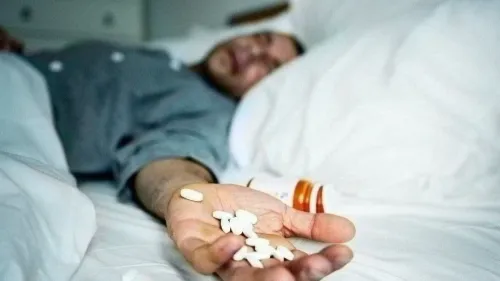
Call 112 immediately for loss of consciousness, a seizure, delirium, uncontrolled vomiting, blue lips, or slow, irregular, noisy breathing. Give naloxone if an opioid overdose is suspected and it is available; do not wait for a counsellor or transport the person alone.
Keep them from driving, avoid alcohol and unprescribed sedatives, record the last substance and dose, and request a documented clinical escalation. Alcohol withdrawal can become dangerous within 6–24 hours, with seizures often appearing within 12–48 hours.
Which Symptoms Require Emergency Care Now
A seizure, unresponsiveness, slow or stopped breathing, blue or grey lips, severe confusion, or an active suicide attempt needs emergency care now. Do not wait for a rehab callback or assume an attendant can manage it.
Call 112 and request an ambulance; the nearest emergency department is the correct destination for urgent addiction treatment in nashik.
| Symptom | Why it is dangerous | Immediate response |
|---|---|---|
| Seizure, repeated seizure, or seizure lasting five minutes | Withdrawal, overdose, head injury, or a metabolic crisis | Clear nearby objects, protect the head, do not restrain the person or put anything in the mouth, and call 112 |
| Unconsciousness or inability to wake | Overdose, poisoning, low blood sugar, or severe illness | Check breathing, place a breathing person on their side, and follow the dispatcher’s instructions |
| Slow, noisy, or stopped breathing; blue lips | Opioid or sedative overdose | Call 112 immediately; give naloxone if it is available and you know how to use it |
| Severe confusion, agitation, hallucinations, fever, or shaking | Delirium, including dangerous alcohol withdrawal | Prevent falls, do not leave the person alone, and seek emergency assessment |
| Uncontrolled vomiting or inability to keep fluids down | Dehydration, aspiration, electrolyte disturbance, or severe withdrawal | Keep the person sitting or on their side and obtain emergency care |
| Suicidal intent, violent psychosis, or unsafe behaviour | Immediate risk of serious injury | Remove weapons and medicines without confrontation, stay nearby, and call 112 |
Keep the person from driving. Do not give alcohol or unprescribed sedatives. Record the last substance, amount, and time if known, and tell emergency staff. Tele-MANAS at 14416 offers mental-health support, not ambulance care.
Why the Substance and Withdrawal Pattern Change the Risk
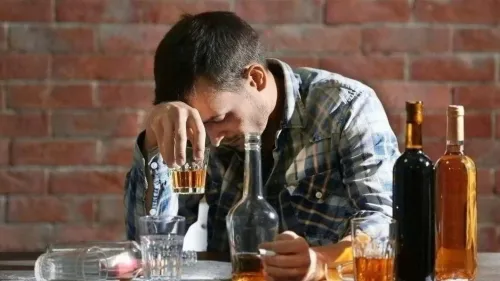
Alcohol and benzodiazepine withdrawal require medically supervised assessment because sudden reduction can trigger seizures, delirium, dangerous agitation, and unstable blood pressure or pulse. Alcohol symptoms often begin 6–24 hours after the last drink; seizures commonly occur within 12–48 hours, while delirium tremens can appear 48–72 hours later.
Opioid withdrawal is usually dominated by sweating, vomiting, diarrhoea, muscle pain, anxiety, and powerful cravings rather than seizures. It still carries serious danger: losing tolerance during detox raises the risk of fatal overdose after relapse, especially if opioids are combined with alcohol or sedatives.
Stimulant withdrawal more often causes exhaustion, depression, suicidal thinking, severe cravings, paranoia, or psychosis; chest pain, extreme agitation, or suicidal intent needs urgent assessment.
Do not treat these patterns as interchangeable, and do not let staff stop benzodiazepines, opioid agonist treatment, or psychiatric medicines without a clinician’s plan. Detoxification clears or stabilises the substance-related crisis; it does not provide relapse-prevention medication, therapy, or continuing care.
That gap explains why drug rehab support problems in Nashik can seem resolved at discharge and return quickly.
- Ask which clinician is physically available overnight, not merely whether a phone line operates.
- Treat a seizure, severe confusion, breathing difficulty, loss of consciousness, suspected overdose, delirium, or uncontrolled vomiting as an emergency; call 112 if immediate help is unavailable.
- Keep the person from driving, avoid alcohol or unprescribed sedatives, record the last substance and dose, and request documented escalation to a hospital.
What to Do When the First Response Fails
If a call goes unanswered, treat it as a failed safety layer, not as a reason to keep waiting. Drug rehab support problems in Nashik require a clear escalation chain, especially after a missed dose, worsening withdrawal, confusion, vomiting, breathing difficulty, seizure, loss of consciousness, or suspected overdose.
- Call the centre again and ask for the duty clinician, not only an attendant. Record the time, number called, staff response, missed medication, and symptoms. Request a documented clinical escalation and a hospital-transfer decision.
- If the patient is deteriorating or has an emergency symptom, call 112 immediately. Do not wait for the centre to return the call, and do not let the patient drive.
- Keep the person supervised on their side if drowsy or vomiting. Do not give alcohol, sleeping tablets, or unprescribed sedatives. Note the last substance used, estimated dose, time taken, prescribed medicines, and allergies for the emergency team.
- Go to the nearest emergency department when 112 advises it or transport is safe. Ask the receiving doctor to assess withdrawal severity, overdose risk, hydration, injuries, psychiatric symptoms, and the need for hospital-based detoxification or admission.
- After stabilisation, require a written review of medication administration, overnight staffing, handover, relapse triggers, and follow-up treatment. Detoxification alone does not provide relapse-prevention medication, therapy, or recovery planning.
For urgent addiction treatment in Nashik, Tele-MANAS at 14416 can provide mental-health support, but it cannot replace ambulance care for overdose, seizure, delirium, severe intoxication, or an active suicide attempt.
How to Test a Facility Before You Rely on Its 24/7 Claim
Ask the person answering the phone, “Who is physically present at 2 a.m., and what clinical training do they have?” A receptionist or attendant is not the same as an on-site nurse or doctor. Ask whether staff can assess withdrawal, administer prescribed medicines, record vital signs, and call 112 without waiting for management approval.
| Question | Credible answer | Warning sign |
|---|---|---|
| Who responds to a seizure, breathing difficulty, or suspected overdose? | A named clinician gives immediate first aid and arranges emergency transfer. | “We will contact the doctor.” |
| Where is the patient taken if the centre cannot manage the case? | A named hospital or emergency department, with transport arrangements. | “The family must arrange everything.” |
| What information travels with the patient? | Last substance and use, withdrawal history, medicines, allergies, vital signs, mental-state concerns, and recent incidents. | No written handover process. |
| How are night medicines and missed doses recorded? | A medication chart shows the dose, time, administrator, and escalation for a missed dose. | Medicines are “available on request.” |
| What happens after detox ends? | A written plan covers relapse-prevention medicine, counselling, family involvement, and follow-up. | Discharge is treated as completed treatment. |
Ask these questions directly before admission. Aatma De-Addiction & Rehabilitation Center should be assessed by the same standards: verify the current overnight roster, hospital-transfer route, and written handover policy rather than relying on its name or advertisements.
If you are researching what happens when 24 by 7 drug rehab support fails in nashik, or comparing 24 by 7 drug rehab services problems in nashik, treat an unanswered emergency call or vague transfer answer as a safety concern. Call 112 for immediate danger; do not wait for a promised callback.
Related services
alcohol and drugs deaddiction centre alcohol and drugs deaddiction centre At Aatma De-addiction Center, Nashik, we specialize in providing comprehensive care for individuals battling alcohol and drug addiction. |
De-addiction Center "Aatma De-addiction and Rehabilitation Center" It became evident that today’s young generation is increasingly falling prey to the grip of addictive... View service → |
Frequently asked questions
What does 24/7 drug rehab support actually include?
It can mean an overnight attendant, an emergency phone line, or access to a doctor; confirm whether nurses, medicines, ambulance transport, and hospital monitoring are available.
Which withdrawal symptoms require emergency care now?
Seek emergency care for seizures, unconsciousness, breathing difficulty, severe confusion, blue or grey lips, chest pain, or rapidly worsening symptoms.
Why does the substance change withdrawal risk?
Alcohol and sedative withdrawal can become life-threatening, while opioid withdrawal creates different risks, including overdose after tolerance falls; the substance and withdrawal history determine the response.
What should you do when the first rehab response fails?
Move the person away from unsafe care, call emergency services for danger signs, share the substance and last-use details, and request hospital assessment.
How can you test a facility before relying on its 24/7 claim?
Ask who answers at night, which clinician is on call, what emergency medicines and monitoring are available, how transfers work, and which hospital receives patients.
Related service
vyasanmukti kendra व्यसनमुक्ति केंद्र नाशिक आत्मा व्यसनमुक्ती केंद्र, नाशिक आमचे आत्मा व्यसनमुक्ती केंद्र, नाशिक, हे दारू व अमली पदार्थांच्या व्यसनातून मुक्त होण्यासाठी उत्कृष्ट आणि प्रभावी... |