Urgent help for alcohol or drug use begins with a safety decision: determine whether the person needs an ambulance or hospital care before considering rehabilitation admission. You will be able to recognise red flags, prepare useful information for an intake assessment, compare withdrawal and recovery services, and judge whether a Jalgaon program has a safe continuing-care plan.
Key takeaways
- Call 112 before rehabilitation admission if breathing, consciousness, or safety is at risk.
- Ask who monitors withdrawal overnight and which hospital handles medical complications.
- Choose care intensity based on withdrawal risk, medication needs, and home safety.
- Get written discharge medicines, warning signs, follow-up dates, and emergency contacts.
Decide First: Rehabilitation Admission or a Medical Emergency?
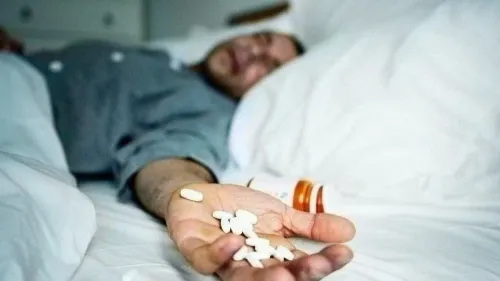
For urgent addiction treatment in jalgaon, choose emergency medical care before rehabilitation admission when the person may not survive the next hour without hospital support. Call 112, give the exact location, and name the suspected substance. Do not transport an unconscious or violent person in a private vehicle.
- Unconsciousness or inability to wake
- Slow, shallow, irregular, or stopped breathing
- Suspected overdose, blue lips, or pinpoint pupils
- Seizure, delirium, or severe confusion
- Chest pain, severe vomiting, or collapse
- Suicidal intent, an active suicide attempt, or immediate violent behavior
- Acute psychosis, extreme mania, or inability to care for basic needs
Stay with the person while help comes. Place a breathing person on their side, keep the airway clear, and do not force food, drink, or unprescribed medicine. If naloxone is available and opioid overdose is suspected, use it as directed while waiting for emergency services.
Heavy alcohol use, benzodiazepine dependence, previous withdrawal seizures, malnutrition, repeated vomiting, or confusion requires medical assessment rather than unsupervised detox. Clinicians may need to assess thiamine deficiency and Wernicke encephalopathy; suspected hypoglycaemia needs immediate glucose, not delayed treatment. Acute psychiatric danger also belongs in emergency care.
After stabilisation, ask whether the rehabilitation service provides 24-hour observation, informed consent, medication management, hospital transfer, and written fees. Reject any centre using restraint, humiliation, forced labour, abrupt medication stoppage, or unverified cures.
What Happens From the First Call Through Withdrawal Monitoring?
The first call should produce a triage decision, not a promise of a bed. Give the person’s exact Jalgaon location, substance, amount and time used, last use, medicines, medical conditions, pregnancy status, mental state, and breathing.
Call 112 for unconsciousness, slow or stopped breathing, seizure, severe confusion, chest pain, suspected overdose, suicidal intent, violent behaviour, or delirium; do not transport that person privately.
1. Ask who will speak with the family, whether a clinician is available, and whether the service can manage the suspected withdrawal or transfer the patient to a hospital.
2. Arrange supervised transport. Keep the person accompanied, place a breathing person on their side, and give no food, drink, or unprescribed medicine to someone who is unconscious or confused.
3. Require an assessment covering vital signs, intoxication, withdrawal history, substance use, physical illness, psychiatric symptoms, suicide risk, medicines, consent, and immediate safety. The clinician should explain confidentiality and admission terms.
4. Before admission, obtain a written plan naming observation hours, responsible staff, prescribed medicines, emergency escalation, transfer arrangements, fees, and family contact rules. Reject any service using humiliation, forced labour, or unsafe restraint.
5. During withdrawal monitoring, staff should record breathing, pulse, blood pressure, temperature, consciousness, hydration, pain, agitation, seizures, and worsening confusion, with rapid hospital transfer when danger signs appear.
Families seeking holistic addiction recovery programs urgent treatment in Jalgaon should also request a discharge plan: medicines, appointments, counselling, family involvement with consent, naloxone education where relevant, warning signs, and rapid re-entry after a lapse.
Urgent addiction treatment in Jalgaon is safer when withdrawal management leads into continuing care, not when detoxification is presented as a permanent cure.
What Makes an Addiction Program Holistic in Clinical Practice?
Holistic addiction recovery programs in Jalgaon are clinically meaningful only when they combine evidence-based substance-use treatment with physical health, mental health, relationships, and daily functioning. Yoga, meditation, massage, or spiritual activities can support wellbeing, but they cannot replace withdrawal monitoring, medication, psychotherapy, or overdose education.
- Medical: assessment of substance use, withdrawal risk, physical illness, psychiatric symptoms, prescribed medicines, sleep, nutrition, and exercise.
- Psychological: individual counselling, group therapy, trauma-informed care, and assessment for depression, anxiety, psychosis, or suicidal thinking.
- Behavioural: craving and trigger management, coping skills, routine building, relapse-prevention planning, and a safety plan for return to use.
- Family and social: family sessions with the patient’s consent, communication training, boundary-setting, and attention to housing, work, and family safety.
- Daily living: regular meals, sleep routines, hygiene, physical activity, meaningful work, and continuing-care appointments.
| Phase | Main purpose | What a credible plan includes |
|---|---|---|
| Detoxification | Manage immediate physiological withdrawal risks | Medical observation, symptom treatment, prescribed medication when indicated, nutrition support, and transfer to hospital care if complications develop |
| Ongoing treatment | Reduce cravings and return-to-use risk | Counselling, psychiatric care, medication such as buprenorphine or methadone when appropriate, family support, naloxone education where relevant, warning signs, and rapid re-entry after a lapse |
Detox is not a cure. A short detox followed by no continuing treatment leaves relapse and overdose risk unresolved, especially after opioid tolerance falls.
Match Withdrawal Risk, Medication Needs, and Care Intensity
The safest level of care depends on withdrawal danger, medication needs, psychiatric stability, and what support exists at home—not on a fixed 28- or 30-day package.
| Option | What it means | When it applies |
|---|---|---|
| Outpatient | The person lives at home and attends scheduled medical, counselling, and recovery sessions. | Withdrawal is low-risk, the person is medically and psychiatrically stable, and a reliable adult can support attendance and safety. |
| Residential | The person stays in a staffed setting with structured monitoring, therapy, medication management, and daily routine. | Home support is unsafe or unreliable, relapse risk is high, or the person needs distance from substances without hospital-level treatment. |
| Hospital | Continuous medical observation, emergency treatment, and specialist psychiatric care are available. | Alcohol or benzodiazepine withdrawal could cause seizures or delirium; opioid or mixed-substance use causes sedation or breathing risk; severe confusion, medical illness, psychosis, or suicidal intent is present. |
Disclose every substance, including alcohol, benzodiazepines, opioids, cannabis, stimulants, pain medicines, and sedating over-the-counter products. Alcohol or opioids combined with benzodiazepines can suppress breathing, so do not conceal occasional or recent use.
Ask how medication fits the plan. Buprenorphine or methadone can treat opioid-use disorder; detoxification without continuing medication increases relapse and overdose vulnerability as tolerance falls.
A genuine holistic drug recovery in Jalgaon includes withdrawal care, psychiatric assessment, counselling, sleep and nutrition support, family work with consent, relapse planning, and follow-up. Anyone comparing holistic addiction recovery programs urgent treatment in Jalgaon should demand reassessment-based step-down care, not a promise that detox alone cures addiction.
Questions to Ask a Jalgaon Provider Before Admission or Discharge
Before admission, ask for written answers about who will monitor withdrawal, what happens if the patient deteriorates, and whether a hospital transfer is available 24 hours a day. Confirm the plan covers consent, confidentiality, fees, medicines, and discharge—not only bed availability.
- Which doctor and trained staff are present overnight, and can they manage this substance’s withdrawal?
- What symptoms trigger transfer to a hospital, who provides transport, and who informs the family?
- What does the patient consent to, and who can receive updates? Ask how records, phone calls, and visitors are kept confidential.
- Are consultation, medicines, tests, transport, food, and extensions itemised in writing? Ask what happens if money runs out.
- Will clinicians explain medicine names, doses, side effects, and stopping instructions? For opioid-use disorder, ask whether buprenorphine or methadone is considered; for overdose risk, ask about naloxone education.
| Provider response | Safe answer | Warning sign |
|---|---|---|
| Safety and staffing | 24-hour observation matched to withdrawal risk | Untrained attendants alone |
| Transfer | Named hospital pathway and transport plan | “We handle every emergency here” |
| Consent and privacy | Written consent and defined information-sharing rules | Forced admission or public disclosure |
| Fees and medicines | Itemised costs and documented prescribing | Cash-only surprises or abrupt stoppage |
| Discharge | Appointments, counselling, family consent, warning signs, rapid re-entry | “Detox permanently cures addiction” |
A lapse should prompt safety assessment and treatment adjustment, not punishment, restraint, humiliation, or abandonment. Ask Aatma De-Addiction & Rehabilitation Center the same questions you ask every provider; a credible holistic addiction recovery program in Jalgaon, including holistic drug recovery in Jalgaon, must make these answers specific and verifiable.
Frequently asked questions
When should you choose emergency medical care instead of rehabilitation admission?
Call 112 and request emergency medical care when the person is unconscious, struggling to breathe, having a seizure, severely confused, violently unsafe, or at risk of immediate harm. Give the exact location and suspected substance, and do not move an unconscious or violent person in a private vehicle.
What happens from the first call through withdrawal monitoring?
The provider should collect information about the substance, amount, last use, medical history, psychiatric symptoms, current medicines, and immediate safety risks. Ask how staff assess withdrawal, record vital signs, provide prescribed medicines, arrange hospital transfer, and monitor the person overnight.
What makes an addiction recovery program holistic in clinical practice?
A holistic program combines medically supervised withdrawal care with assessment of mental health, sleep, nutrition, physical health, family support, counselling, relapse-prevention skills, and continuing care. These elements should appear in an individual care plan rather than exist as optional activities alone.
How do you match withdrawal risk, medication needs, and care intensity?
Match the setting to the substance used, last dose, previous withdrawal history, seizure or delirium risk, medical conditions, psychiatric symptoms, prescribed medicines, and home support. High-risk withdrawal needs medical monitoring and a clear hospital-transfer plan; lower-risk cases still need clinical assessment and follow-up.
What should you ask a Jalgaon provider before admission or discharge?
Ask about staff qualifications, 24-hour supervision, withdrawal protocols, emergency transfer arrangements, medication storage and prescribing, family updates, fees, consent, confidentiality, discharge criteria, written medicines, warning signs, follow-up appointments, and the emergency contact number.